Houseplant Care in the Low-Light Months
Dear Friend,
November has a way of shifting our focus indoors. Out in the garden, the frost has taken the tender plants, the beds are settling under their winter mulch, and the light has gone soft and slanting. Inside, though, the green remains — on windowsills, tucked in corners, or sprawling in sunny spots. Houseplants, like us, are adjusting to the season: less daylight, cooler nights, and drier air from the heat clicking on.
It’s a quiet kind of caretaking we do for them now, different from the busy watering and feeding of summer. In these low-light months, the goal isn’t to push growth, but to help our plants hold steady — conserving their energy, keeping them healthy, and setting them up for a strong start when spring light returns.
Today, I want to walk you through the science of winter houseplant care — light, water, humidity, nutrition, and pest management — woven with a few bits of mountain know-how for good measure.
Step 1: Light — Managing the Short Days
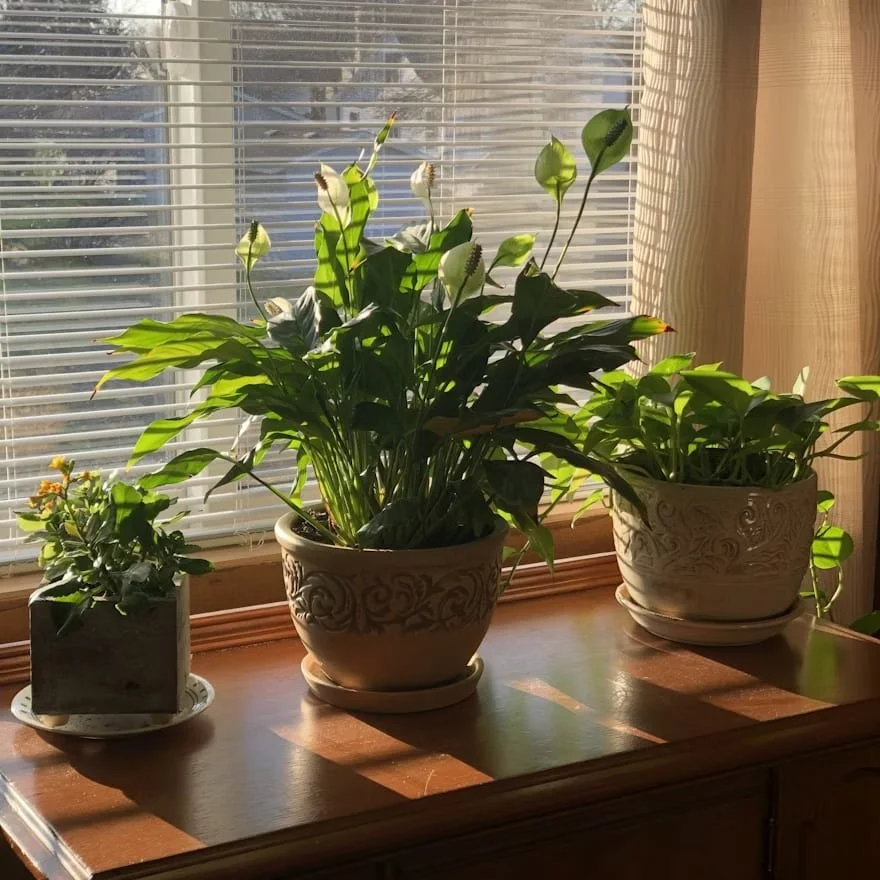
In late fall and winter, Asheville sees 9–10 hours of daylight, and even less direct sun for most homes. Many common houseplants are understory species adapted to lower light, but the quality of light changes in winter — weaker intensity and a lower sun angle.
Practical strategies:
Move plants closer to windows — East and south-facing windows are best in our latitude for bright, indirect light.
Rotate pots weekly so all sides receive light evenly, preventing lopsided growth.
Supplement with grow lights — Full-spectrum LED fixtures set for 10–12 hours per day can maintain healthy photosynthesis.
Scientific note: Most tropical foliage plants photosynthesize optimally at 50–200 μmol/m²/s — well within the range of LED grow lights designed for indoor use.
Tip: In winter, clean your windows. A layer of dust or condensation can cut light transmission by up to 10%.
Step 2: Water — Less is More
The number one cause of winter houseplant decline? Overwatering. With reduced light and lower metabolic activity, plants simply don’t use water as quickly. Soil stays wetter longer, creating prime conditions for root rot.
Best practice:
Check soil moisture before watering — don’t rely on the calendar.
Water thoroughly until it drains from the bottom, then empty the saucer.
Let the top inch or two of soil dry out for most species (Philodendron, Epipremnum, Ficus), but keep moisture more consistent for tropical ferns and peace lilies.
Scientific note: Cooler soil holds less oxygen. Overwatering in winter compounds this by saturating pore spaces, depriving roots of air.
Step 3: Humidity — Battling the Dry Air
Winter heating can drop indoor humidity to 20–30%, far below the 50–70% preferred by most tropical houseplants.
Options for boosting humidity:
Group plants together to create a shared microclimate.
Use pebble trays with water beneath pots (without the pot sitting directly in water).
Run a cool-mist humidifier near plant groupings.
Trick: In old farmhouses, winter plants often did best in the kitchen — the daily steam from cooking helped offset the dryness from the woodstove.
Step 4: Nutrition — Feeding Lightly
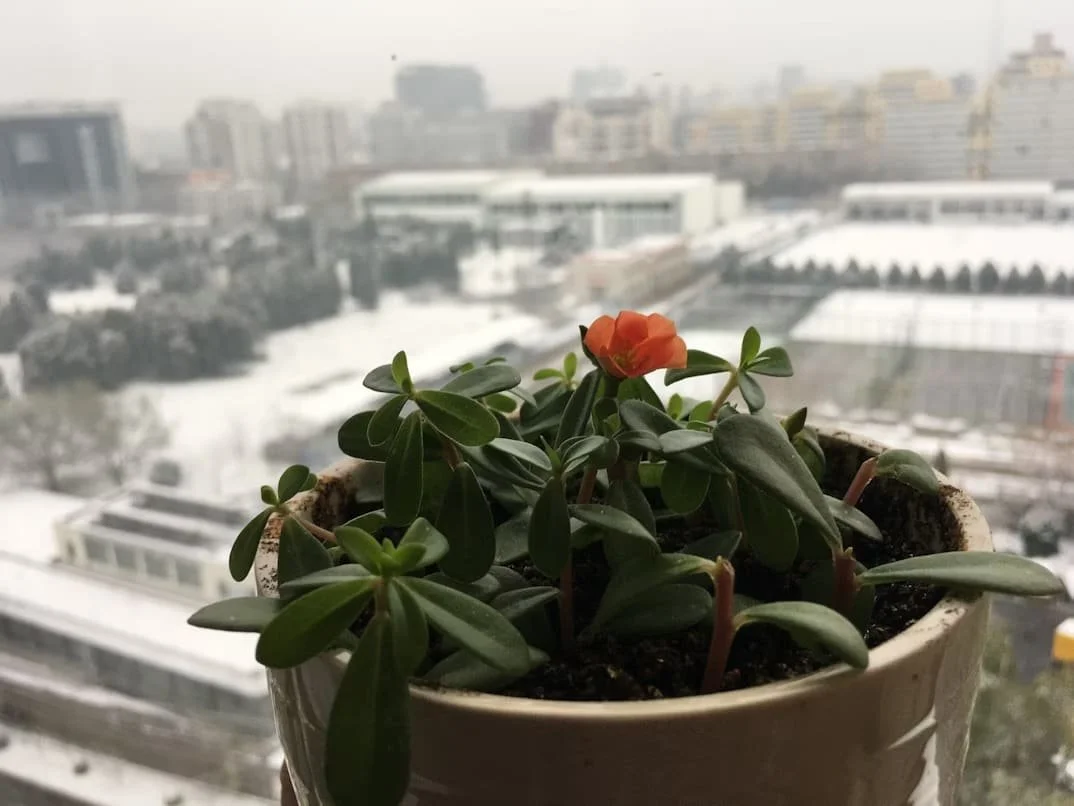
Winter is not a time for heavy fertilizing. Most houseplants slow their growth, and excess nutrients can lead to salt buildup in the soil.
Recommendation:
Suspend fertilizing from November through February for most foliage plants.
For actively growing plants under strong supplemental light, feed monthly at ¼ strength with a balanced liquid fertilizer (e.g., 20-20-20 or 10-10-10).
Scientific note: Excess nitrogen during low-light periods can cause thin, weak growth prone to pests.
Step 5: Pest Prevention and Management
Indoor conditions in winter — warm, dry air and lower light — can encourage pests like spider mites, mealybugs, aphids, and fungus gnats.
Prevention:
Inspect plants before bringing them inside in fall.
Quarantine new plants for two weeks.
Wipe dust from leaves regularly to keep stomata functioning and to spot early infestations.
Management:
Use insecticidal soap or neem oil for light infestations, applied weekly for 2–3 weeks.
For spider mites, increase humidity and rinse foliage under lukewarm water.
Sticky traps can monitor fungus gnat populations; adjust watering to control them.
Step 6: Cleaning and Grooming
With less light, every leaf counts for photosynthesis. Keep leaves clean:
Wipe smooth leaves with a damp microfiber cloth.
Use a soft brush for fuzzy-leaved plants like African violets.
Remove yellowed or damaged foliage to direct energy toward healthy growth.
Step 7: Rest and Patience
Just as our gardens outside take a slower pace in winter, so should our expectations for our houseplants. Growth will be minimal, and that’s fine — this is their time to rest and regroup.
Come March, as days lengthen and light intensity increases, you’ll see new shoots emerge. That’s when you can resume regular feeding and consider repotting.
Closing Thoughts
Caring for houseplants in winter is an exercise in observation and restraint. It’s less about “doing” and more about “not overdoing” — not overwatering, not overfertilizing, not overcrowding windowsills to the point where leaves shade one another.
Here in the mountains, the low-light months can feel long, but a few thriving pots of green inside can remind you that life is still moving forward, quietly preparing for spring. Give your houseplants the conditions they need to simply hold steady, and when the sun returns in March, they’ll thank you with a flush of new growth.
Yours under the winter sun,
Unicorn Farm Nursery & Landscaping