How to Graft a Fruit Tree: Why (and When) to Topwork Fruit Trees in Appalachia
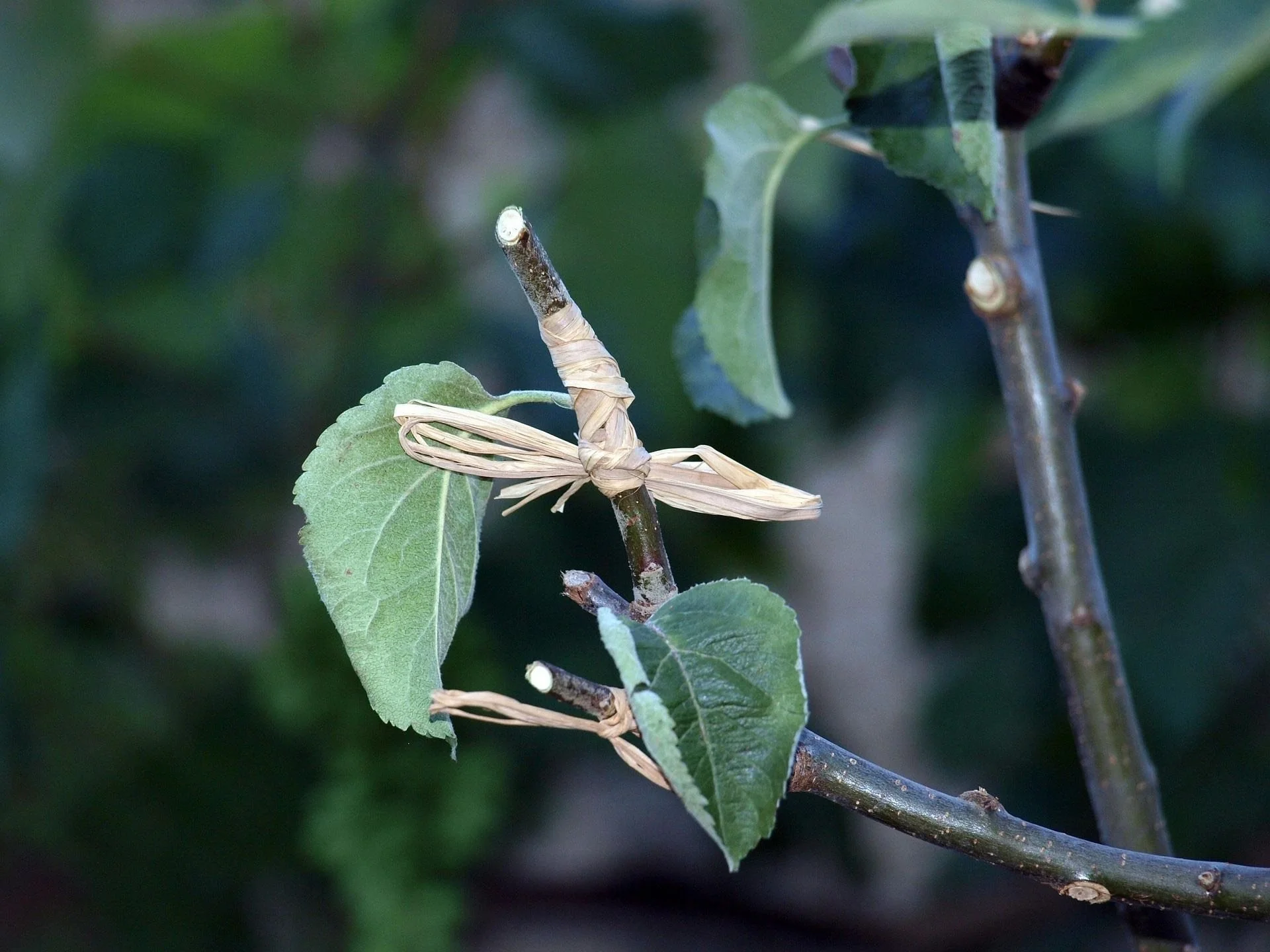
Dear friend,
Grafting is one of those practices that feels old-world—like a skill handed down by orchard keepers long before modern nurseries existed. And in many ways, it is. But it’s also a very practical, modern tool, especially in a place like Appalachia, where microclimates, soils, and disease pressure can make fruit growing wildly different from one yard to the next, and where learning how to graft a fruit tree becomes a practical skill rather than a novelty.
At its simplest, grafting is the act of joining two plants so they grow as one. All fruit tree grafting techniques, no matter how advanced, rely on this same basic principle.
The top piece, called the scion, is the variety you want—the apple, pear, or plum with the flavor, ripening time, or characteristics you’re after. The bottom piece, called the rootstock, provides the root system. If the graft heals properly, the scion grows as its own variety, but it benefits from the rootstock’s strengths: how it handles your soil, how vigorous or compact the tree becomes, and sometimes how it tolerates disease or stress.
What allows this union to work is a thin layer of living tissue just under the bark called the cambium. The cambium is where growth happens. When the cambium layers of the scion and rootstock are aligned and held together, the plant can knit itself into a single functioning tree. That’s the biological heart of grafting—simple, but precise. Understanding this alignment is often the turning point for people learning how to graft a fruit tree successfully.
In Appalachia, people graft for a few recurring reasons.
One is practicality. You may have a healthy tree that produces fruit you don’t love, ripens at an inconvenient time, or doesn’t perform well in your conditions. Rather than removing the tree and starting over, you can topwork it—grafting new varieties onto the existing framework and using the established root system to your advantage.
Another reason is space. Many home growers want fruit but don’t have room for multiple trees. Understanding how to graft a fruit tree makes it possible for one tree to carry several varieties, extending harvest season and improving pollination without expanding the footprint of the orchard.
Adaptation matters too. Certain rootstocks tolerate specific soils better, control tree size, or manage vigor in a way that makes long-term care more realistic for a home grower.
And sometimes grafting is about preservation. I’ve seen old apple trees tied to family history—trees planted by grandparents, trees that anchor a sense of place—renewed through grafting. Even if the original tree is declining, the genetics can live on. That’s not just horticulture. That’s stewardship.
Grafting isn’t magic, and it isn’t guaranteed. But it is learnable, especially when fruit tree grafting techniques are approached methodically rather than rushed. The basic requirements are straightforward: living cambium in contact, clean cuts, stability at the union, and protection from drying out while the graft heals.
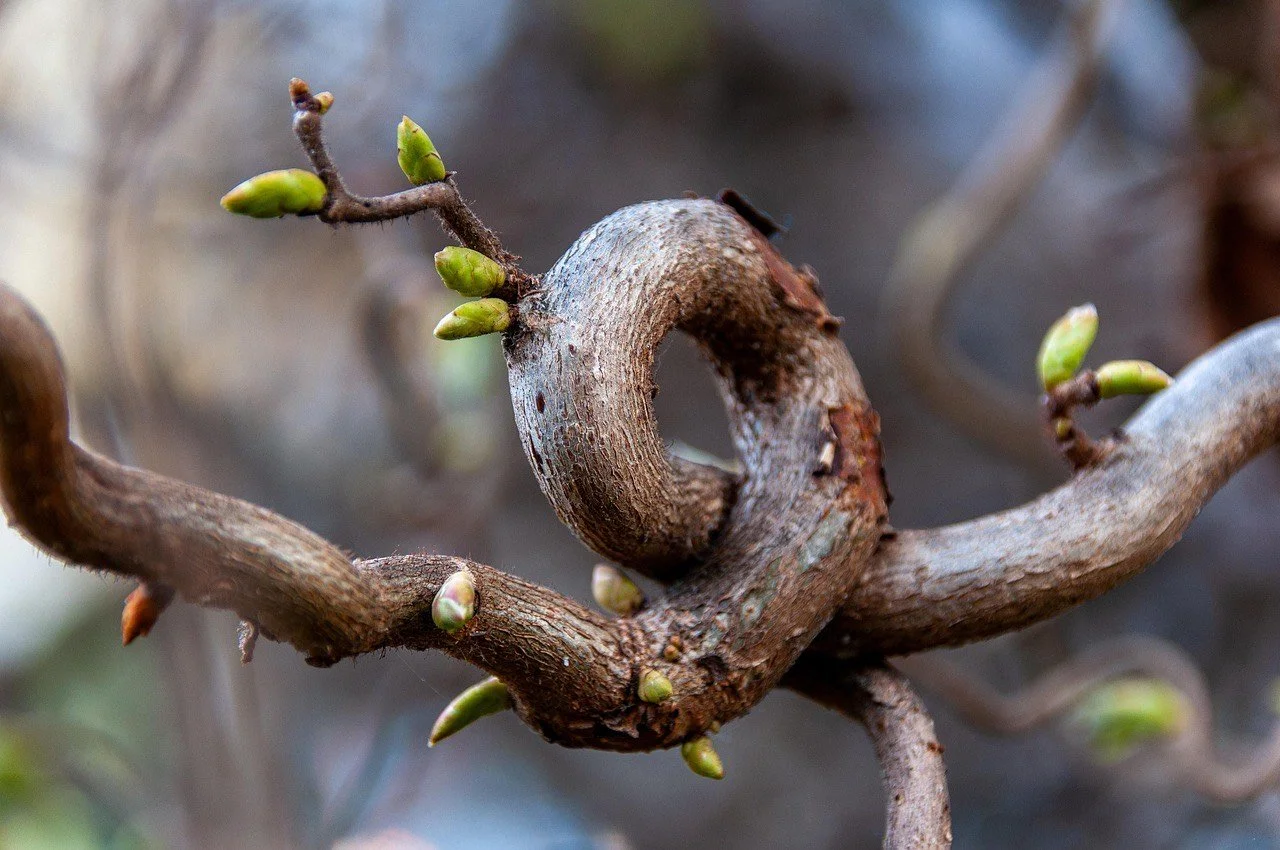
Timing is critical when learning how to graft a fruit tree, especially in regions with unpredictable spring weather. Late winter into early spring is the traditional window because the tree is still dormant but preparing to grow. In our region, that timing can be tricky. Warm days may push buds forward, while cold nights slow everything down again. Successful grafting often comes down to paying attention—waiting until sap is beginning to move in the rootstock without letting the scion break dormancy too early. Many growers eventually realize that understanding the best time for grafting fruit trees matters just as much as technique.
Tool quality matters less than sharpness and cleanliness. Many fruit tree grafting techniques fail not because of poor tools, but because cuts are uneven or imprecise. A simple, very sharp knife creates better cambium contact than a dull or jagged cut. Stability matters too. If the scion shifts in the wind, the healing tissue can’t form properly. A good graft union needs stillness, much like a bone that’s been set.
Topworking an existing tree deserves particular care, especially for those learning how to graft a fruit tree onto mature root systems. Mature trees have stored energy, but they also have momentum. Cutting too hard or changing too much at once can stress the tree and invite problems. Thoughtful topworking is often phased over time, balancing new growth with the tree’s existing structure and health.
Apples and pears are often the best place to start for beginners. They have a long history of grafting, broad compatibility, and a deep body of shared knowledge. Stone fruits—peaches, plums, cherries—can also be grafted, but they tend to be more sensitive to timing, technique, and disease pressure. Understanding the best time for grafting fruit trees is especially important with these varieties to improve the chances of a successful graft.
Pollination is another piece that often gets overlooked. Many fruit trees need a compatible partner to set fruit. A tree can flower beautifully and still disappoint if pollination requirements aren’t met. Multi-variety grafting can quietly solve this problem, especially in small spaces, by placing compatible varieties on the same tree. This is one of the practical reasons people learn how to graft a fruit tree.
That said, grafting doesn’t solve everything. It won’t fix poor sunlight. It won’t correct a site that stays waterlogged if the rootstock can’t tolerate wet feet. It won’t replace basic orchard care like pruning, sanitation, and soil health. Grafting is powerful, but it works best as part of a whole system.
That’s why I think of grafting as orchard planning rather than a standalone trick. When you approach fruit trees as long-term relationships—with rhythms, seasons, and maintenance windows—the results are better and more sustainable.
If you’re curious about how to graft a fruit tree, you don’t need to master it all at once. Start by clarifying your goal. Are you improving fruit quality? Adding pollination? Managing tree size? Preserving a variety? Once you know why you’re grafting, the technique has direction.
And if you ever watch a graft take—if you see that scion push healthy new growth—you’ll understand why people get hooked. It’s not just about fruit. It’s about working with a plant’s own capacity for regeneration.