Reading Your Yard’s Microclimates: Slope Gardening, Frost Pockets, and Windbreaks
Dear friend,
One of the strangest lies we tell ourselves as gardeners is that our yard is one thing.
We talk about “my garden” as if it’s a single climate, a single soil, a single set of conditions. But if you live in Western North Carolina—if you live anywhere with hills, trees, hollows, and weather that plays games—you already know that isn’t true.
Your yard is a patchwork. A mosaic. And once you learn to read it that way, gardening gets easier in a deep, steady sense. Not because challenges disappear, but because you stop fighting the site and start partnering with it.
Microclimates are simply small-scale climates—tiny zones within your property that behave differently than the “average” conditions. They’re shaped by sun exposure, slope and aspect, wind, proximity to structures, soil moisture patterns, tree canopy, and the way cold air drains and pools.
In our region, slope is often the first big divider, and microclimate gardening helps you understand how these slope differences affect plant growth. A south-facing slope can behave like it lives in a different county than a north-facing slope on the same property. South-facing areas warm earlier, dry faster, and experience higher heat stress in summer. North-facing areas warm later, hold moisture longer, and can be gentler on plants that dislike heat. East-facing areas get kinder morning light. West-facing areas get the harsher late-day sun that can scorch tender foliage. This isn’t theory—it’s daily lived reality.
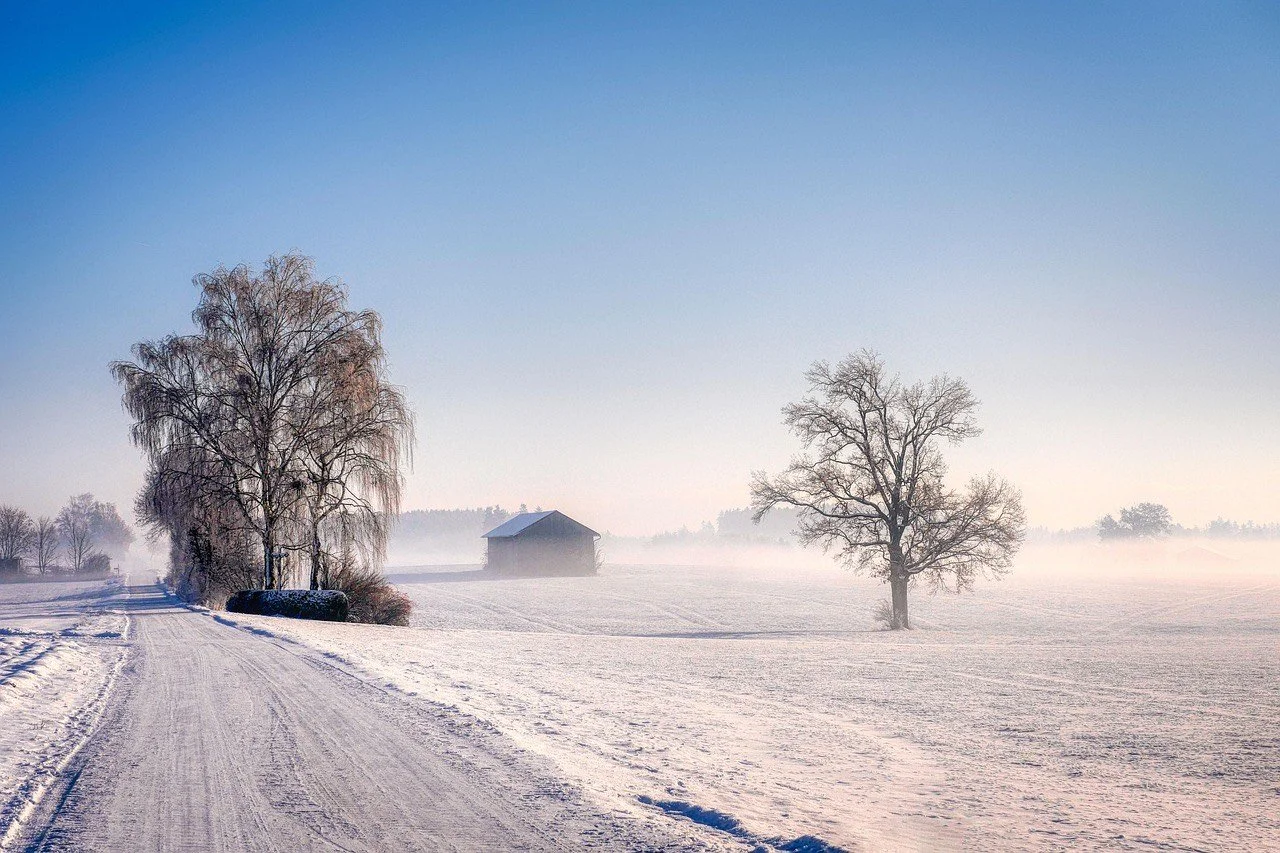
Cold air is another major player, and it behaves like water. It flows downhill and settles in low spots. If your garden sits in a hollow, you may experience late frosts even when neighbors higher up the slope escape them. Open low areas with no windbreak can trap cold air on clear nights. That’s how frost pockets form.
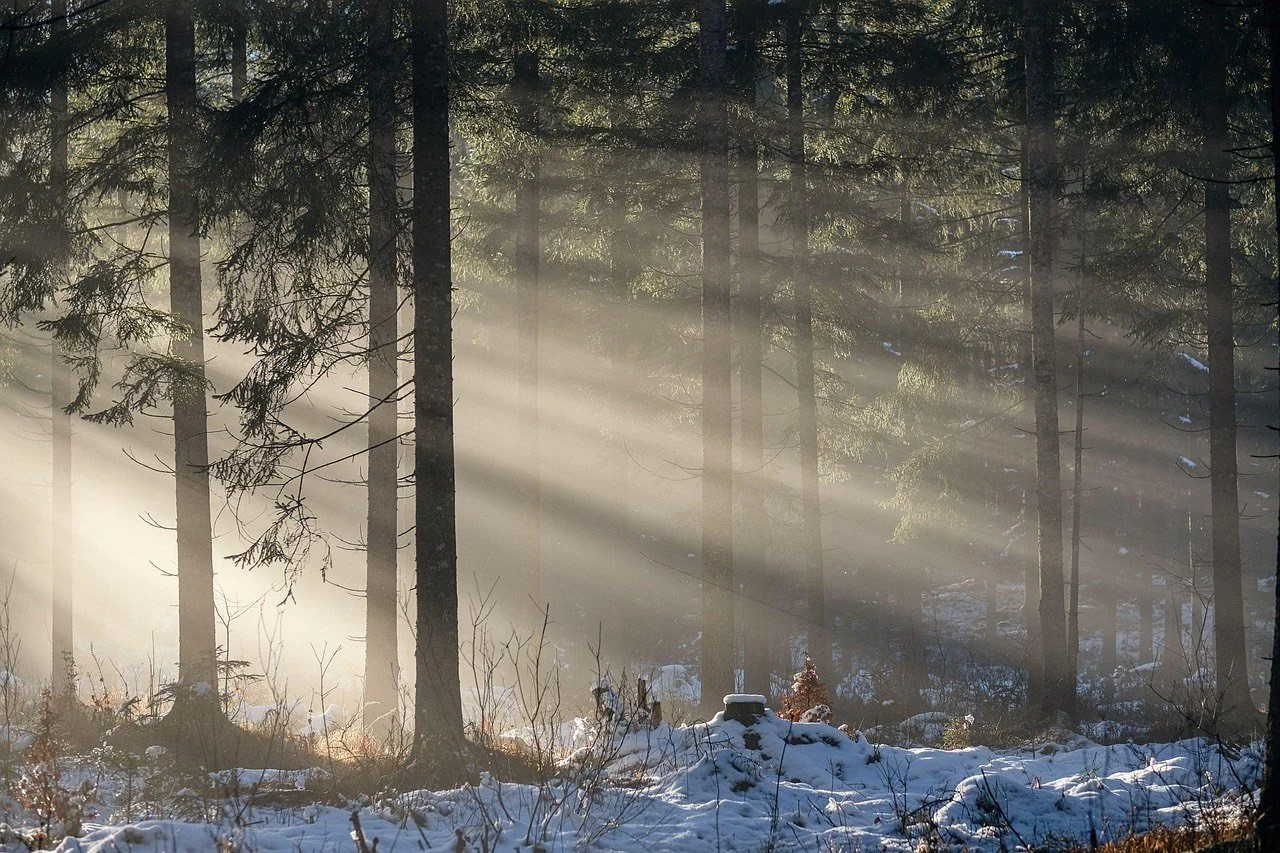
Wind matters too—but not just because it breaks branches. Wind dries plants, increases transpiration, and can make winter damage worse by pulling moisture from evergreen foliage when the ground is frozen and roots can’t replace it. Properly placed windbreaks help mitigate this effect. In summer, wind can be a gift, improving airflow and reducing fungal pressure. In winter, it can be punishing. Wind corridors—where air funnels between buildings or down slopes—are a perfect example of microclimate gardening in action.
Structures shape microclimates as well. A brick wall holds heat and releases it slowly at night. A sheltered courtyard stays warmer and calmer. A driveway or rock outcrop can act as thermal mass. Even a fence line can shift wind patterns enough to influence how plants grow. These subtle forces explain why one hydrangea thrives while another sulks ten feet away.
If you want to map your microclimates, you don’t need fancy tools. Learning how to create a microclimate in your garden starts with curiosity and consistency. Notice where snow melts first. Watch where frost lingers. Observe which areas dry out quickly after rain and which stay damp. Pay attention to which plants leaf out early and which wait. These are clues. Your yard will tell you what it is if you stop insisting that it’s uniform.
Indicator plants are especially helpful here. Certain plants act like seasonal alarms in microclimate gardening. When they bloom or leaf out, they’re telling you that a threshold has been crossed—enough warmth has accumulated, enough daylight has shifted. Over time, these cues become a highly local calendar. When the redbuds bloom, I can… When the dogwoods swell, I should… It’s often more accurate—and gentler—than relying on dates alone.
The reward for all this observation is better placement. And placement is half of gardening.
Once you know your warm pockets, you can put heat-loving herbs and early crops there. Once you recognize damp areas, you can stop putting plants there that hate wet feet and instead choose species that tolerate moisture. Once you understand where wind hits hardest, you can use windbreaks to protect young trees or select tougher plants. Once you see where shade is deep and persistent, you can design a woodland garden instead of forcing sun plants into survival mode.
Microclimate awareness also improves water management. In WNC, we swing quickly between wet spells and dry stretches. Microclimate gardening helps you water selectively, since some areas dry faster and others hold moisture longer. But when you know which zones dry first—often slopes and sunny exposures—and which hold moisture—often shaded or low-lying areas—you can water more precisely and with less effort.
And finally, reading microclimates helps you be kinder to yourself. When something fails, you gain a more useful explanation than I’m bad at gardening. You can say, That bed is a hot slope; it needs drought-adapted plants—a lesson in slope gardening. Or, That corner is a frost pocket; tender plants don’t belong there. That shift—from self-blame to site literacy—is a real upgrade, and understanding how to create a microclimate in your garden makes these insights actionable.
Your yard isn’t failing you. It’s speaking. Learning to listen is the work—and the reward.