Seed Starting for an Early Spring Harvest
Dear Friend,
The week between Christmas and the New Year has its own peculiar stillness. The frenzy of the holidays is behind us, but the fresh start of January hasn’t yet arrived. The garden lies bare, the ground often cold and damp, and the days short enough to make you turn on the porch light before supper. It’s not the time most folks think about planting, but for gardeners in the Southern Appalachians, this is when the year’s first real work begins — not in the soil outdoors, but in the quiet warmth of the greenhouse or a well-lit corner inside.
Seed starting for an early spring harvest is one of those practices that rewards patience, planning, and a willingness to tend to something small long before you can reap its reward. In Asheville’s climate, where our last frost generally falls around mid-April, a gardener who wants March lettuce or April blooms needs to start coaxing life out of seeds while the world outside still feels deep in winter.
There’s a kind of intimacy in this work. The packets arrive in the mail, smelling faintly of paper and dust. You turn them over in your hands, read the descriptions you’ve already memorized, and imagine rows of tiny leaves in the weeks ahead. You set up your trays — maybe the same ones you’ve used for years, each cell stained with the memory of past seasons — and fill them with a fine, fresh mix that drains well but holds enough moisture to keep the seeds from drying. In this moment, you are less a farmer and more a caretaker, arranging the conditions so that nature can take over.
For early harvests, cool-season crops are the stars. Lettuces, spinach, kale, and other hardy greens germinate happily in cooler temperatures and can be transplanted to beds or cold frames as soon as the soil is workable. Root crops like beets and turnips can be started in deep plugs to gain a head start before moving outside. Even certain flowers — pansies, snapdragons, calendula — prefer this early rhythm, blooming stronger and longer when they’re given a head start under cover.
The science here is straightforward, though the art takes time to learn. Seeds germinate in response to a combination of warmth, moisture, and sometimes light. Too much heat, and cool-loving crops will stretch thin and weak; too little, and they’ll sit stubbornly in the soil. The balance is delicate — lettuce seeds, for example, germinate best between 60 and 70°F, while peppers and tomatoes demand warmth in the 75–85°F range. This is why starting your spring crops now isn’t a matter of firing up the same setup you’ll use for summer vegetables; each species has its own preferences, and honoring them is the difference between success and disappointment.
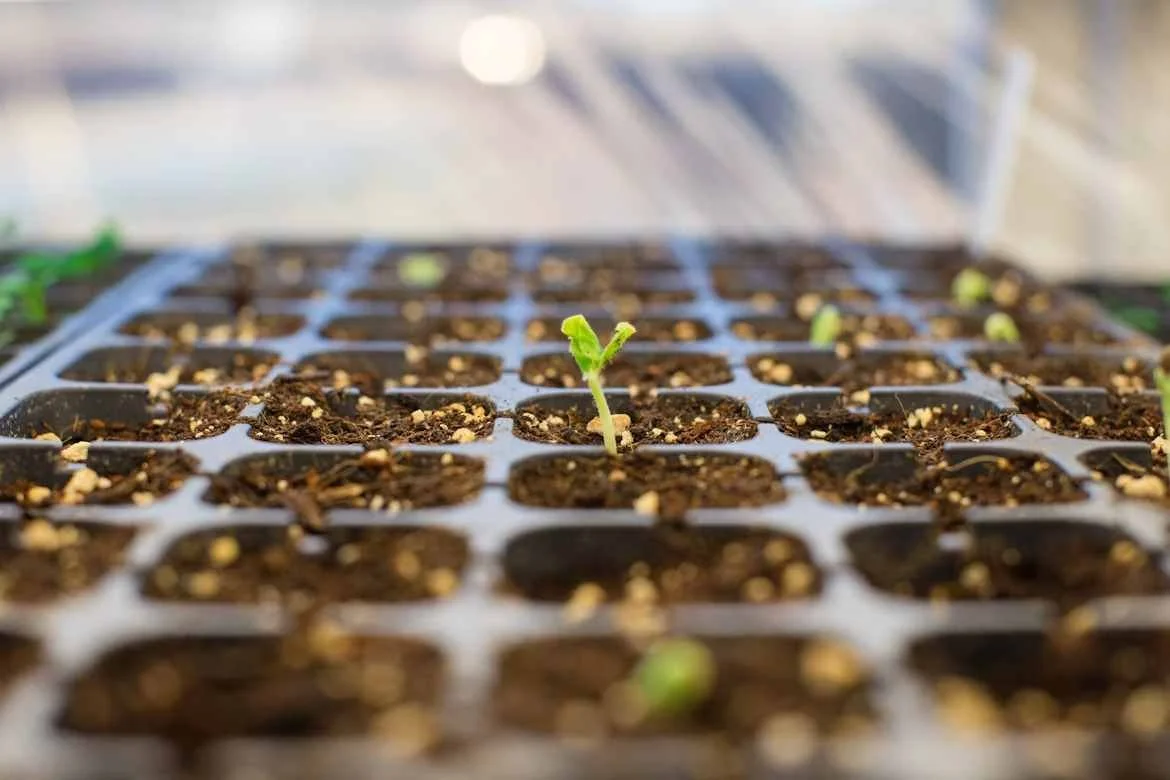
Light, too, plays a role in shaping seedlings into strong, stocky plants. In late December, the natural daylight is far too short for most crops to thrive indoors without help. Supplemental lighting, whether from fluorescent shop lights or modern LEDs, evens the odds, keeping seedlings from straining toward a dim window. In the nursery at Unicorn Farm, we set lights on timers — usually 14 to 16 hours a day — to mimic the longer days ahead, easing the seedlings into a rhythm that will match the garden when they move outside.
Watering at this stage is a slow, deliberate act. Overwater, and you invite damping-off disease — a sudden collapse that can wipe out a tray overnight. Underwater, and the delicate root hairs dry and die before the plant has even begun. The trick is to keep the soil evenly moist but never soggy, checking daily with the tip of a finger. It’s a simple habit, but one that becomes a kind of meditation in the quiet of winter.
By late January or early February, the first true leaves will begin to unfurl, signaling that the seedlings are ready for the next stage. Harden them off gradually — a few hours outside on a mild day, sheltered from wind — so they can adjust to the shift from controlled indoor life to the unpredictability of mountain weather. A hard frost in early March will still nip tender plants, but cold frames, row covers, and low tunnels can bridge the gap, turning February sowings into March harvests.
Starting seeds this early is a way of leaning into the year before the year has really begun. It’s a reminder that gardening isn’t just a spring and summer pursuit; it’s a year-round relationship with light, temperature, and time. In these quiet weeks, with your hands in the seed trays and the wind rattling the windows, you’re setting in motion meals you’ll eat months from now, bouquets you’ll cut in the first warmth of spring, and harvests that will carry you into summer.
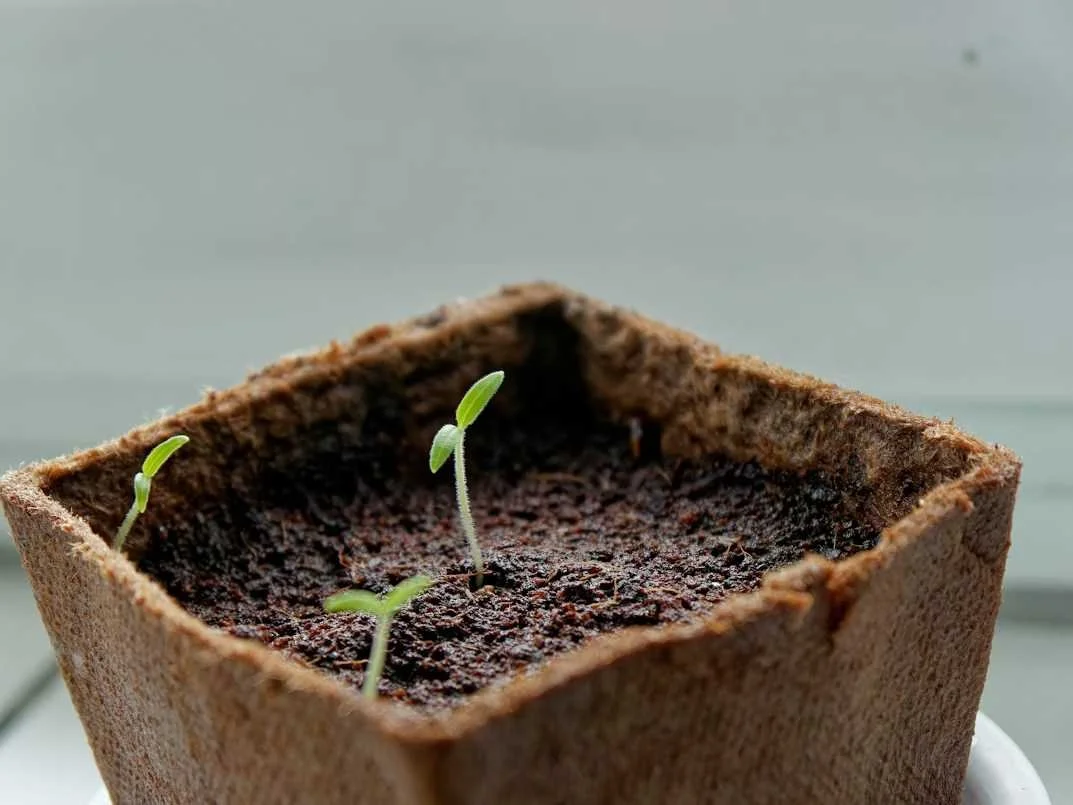
When I stand in the greenhouse in late December, the air inside still carrying a faint scent of pine from the wreath-making earlier in the month, I can hear the rain on the roof and see the mist hanging low over the ridges. The seedlings are just flecks of green against the soil, but they are already alive with possibility. It’s enough to make the dark days seem shorter, to remind you that the solstice has passed, and the light is coming back.
So, as the year winds down, I’ll wish you this: may your seeds germinate strong, your trays stay moist but never soggy, and your first harvest of the new year arrive just when you need it most. Because in the quiet care you give now, the whole next season is already taking shape.
Yours in the early start,
Unicorn Farm Nursery & Landscaping