Winter Solstice in the Garden: Traditions and Seasonal Reflections
Dear Friend,
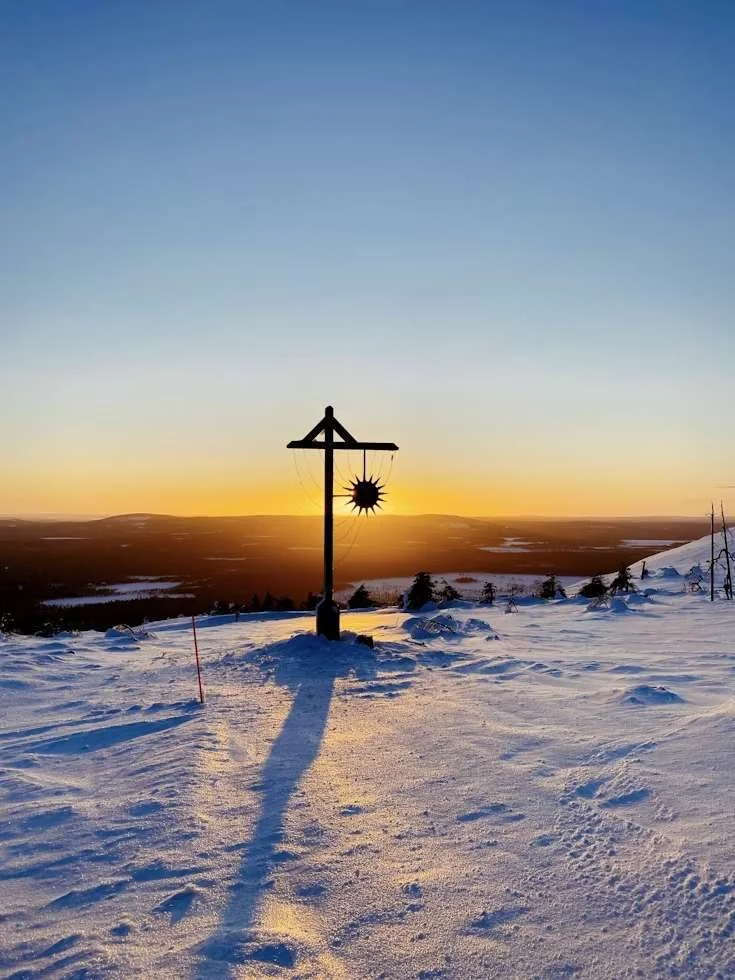
This morning, the sun rose late and will set early — the briefest stretch of daylight all year. The solstice comes quietly to the mountains, without fanfare, unless you know how to look for it. The shadows are long even at noon, the frost lingers in the hollows, and the bare trees etch lacework against a pale sky. The garden is subdued now, almost holding its breath, but the solstice is not an ending. It’s a turning point. From this day forward, the light returns, minute by minute, carrying with it the quiet promise of another season’s growth.
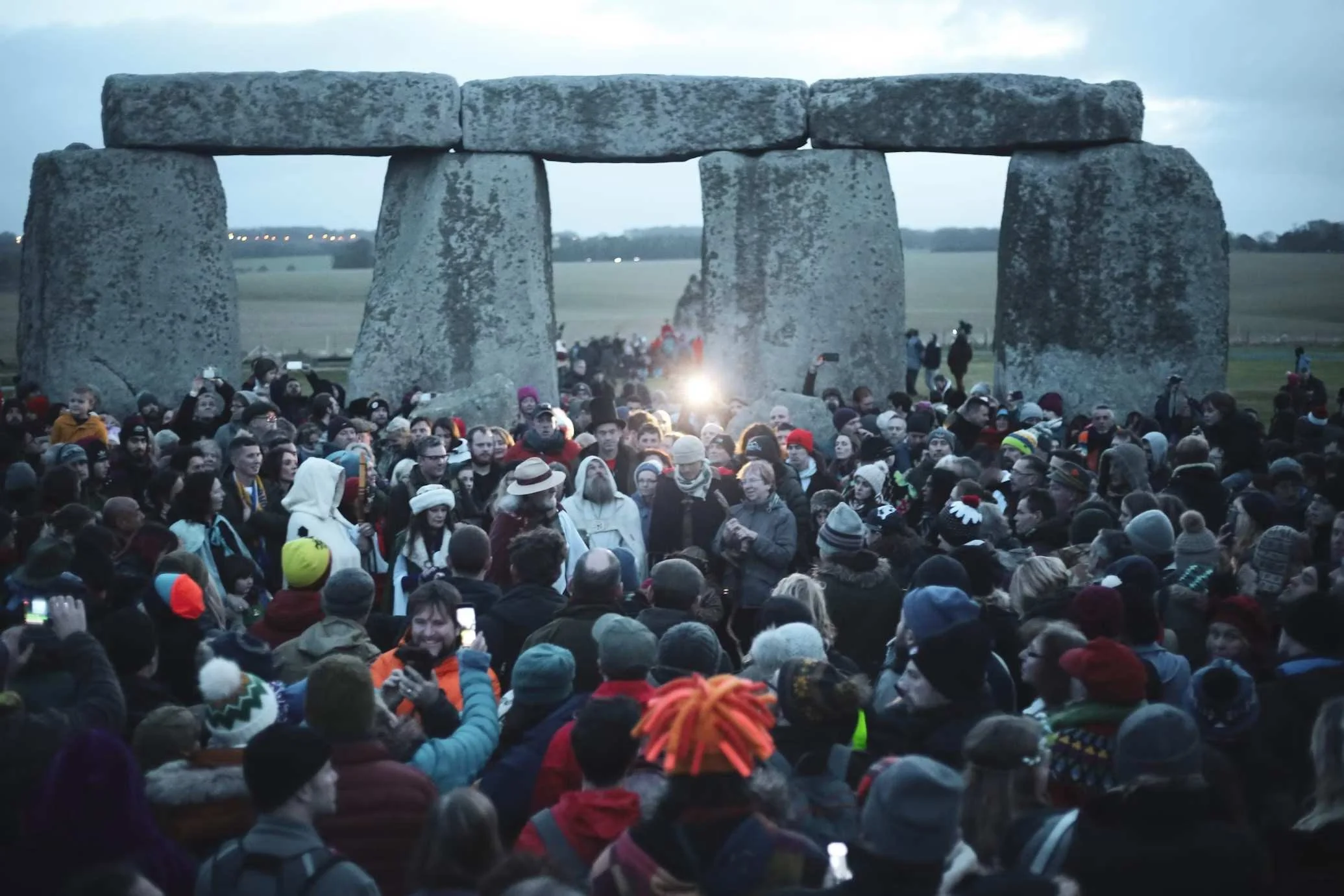
In the old ways of the Appalachians — and in the much older traditions brought here from Europe and Africa — the winter solstice was never simply a date on the calendar. It was a hinge in the year, a time to mark survival through the dark and to set intentions for the lengthening days ahead. Some families burned the Yule log, chosen from a tree felled the previous winter and saved for this day, letting it smolder all night as a symbol of warmth carried forward. Others set greenery at the thresholds — cedar, pine, holly — not just for beauty, but for protection and luck. Even now, many of us keep these rituals without realizing they stretch back centuries.
The garden, too, has its solstice customs, if you know how to read them. In the vegetable beds, the garlic planted in November has already sent down roots, lying in wait under its mulch for the first true stirrings of spring. The buds on the fruit trees are tight and small, but within them next year’s blossoms are already formed, waiting for their cue. Native hollies stand out more sharply now, their berries feeding the birds when other food is scarce.
The solstice is an invitation to notice the subtler forms of life in the garden. There’s movement under the mulch — earthworms still working in the cool soil, slow but steady. In the seed heads left standing, goldfinches hop and flit, shaking loose the last of the coneflower seeds. The ornamental grasses bend under frost, their blades whispering in the wind. Even the stillness holds activity if you give it your attention.
From a horticultural point of view, the solstice marks an important shift for temperate plants. Many perennials and trees are in deep dormancy now — a physiological state where growth has fully paused and no amount of warm weather will wake them until they’ve had their required hours of chill. For fruit trees, this chill requirement ensures they won’t bloom too early and risk losing flowers to a late frost. In the greenhouse, it’s the opposite challenge — we manage heat and supplemental light to prevent cuttings and seedlings from slowing too much, balancing nature’s cues with our production needs.
But beyond the technical, there’s something in this day that belongs more to reflection than to work. In the solstice light, I like to walk the garden paths slowly, seeing the structure more than the color — the curve of a branch, the outline of a bed, the way the low sun sets a frost-covered grass plume glowing. It’s a good day to think about what will change next year, and what should stay just as it is.
The solstice traditions I keep now are simple: bringing in a few branches of greenery for the mantle, lighting candles early in the evening to soften the long night, and making a slow circuit of the garden before dark. It’s not about doing anything grand, but about noticing — taking the measure of the year past and quietly setting intentions for the year ahead. In a garden, those intentions take form in seed orders, planting calendars, pruning schedules, and sketches of new beds. In life, they might be more elusive, but the process is the same: see where you’ve been, decide where you’re going, and trust the lengthening days to get you there.
If you’ve never marked the solstice in your garden before, try it just once. Step outside at noon and watch the angle of the sun. Trace the shadows across your beds. Notice how certain plants — the evergreen hellebores, the winter-blooming witch hazel — carry color into the darkest days. And then, when the light fades, remember that from tomorrow on, each day will hold a little more sun than the one before.
The garden knows this shift without any need for celebration. But we, as gardeners, can honor it — not just as the midpoint of winter, but as the beginning of the return.
Yours in the turning of the light,
Unicorn Farm Nursery & Landscaping