Soil Compaction in Beds and Paths: Symptoms, Causes, and Low Tech Fixes
Dear friend,
Soil compaction is one of those garden problems that hides in plain sight. We tend to notice leaves, flowers, pests, and the visible dramas above ground. Compaction is a below-ground drama, and by the time you see it clearly, it has usually been building for years.
The symptoms can look like a dozen other issues. Plants that stay small even though you feed them. Beds that dry out quickly on top but stay wet underneath. Water that puddles instead of soaking in. Roots that stay shallow and spread sideways like they are afraid to go down. A path that becomes slick mud when it rains and hard as brick when it dries. You can blame drought. You can blame clay. You can blame your luck. Often the real culprit is soil compaction, where the soil has been pressed into a tighter, less breathable structure than roots can tolerate.
In Western North Carolina, soil compaction is common because we have a lot of clay content in many soils, and clay compacts readily when worked or driven on while wet. We also have a lot of construction disturbance, even on older properties, where soil has been scraped, filled, and driven over. Add to that the simple fact that we walk in the same places, wheelbarrow in the same tracks, and sometimes garden in the rain because life does not always wait for perfect conditions, and you have a recipe for compacted zones.
The good news is that soil compaction is not a moral failure. It is a physical condition. And physical conditions can be changed. You do not need heavy machinery to begin improving compacted soil. You do need patience and a willingness to work with the soil rather than trying to force it into instant
perfection.
Let’s talk about how to recognize soil compaction, what causes it, and the low-tech fixes that actually help without turning your beds into a churned mess.
If you are wondering what is soil compaction, a useful way to think about it is to imagine soil as a structure made of particles and spaces. The particles are mineral and organic matter. The spaces are pores that hold air and water. Healthy soil has a range of pore sizes. Large pores allow air movement and drainage. Small pores hold water for roots. Soil compaction squeezes those pores. Air becomes limited. Water either runs off or
sits in a stagnant layer. Roots struggle to penetrate and often stay shallow. Soil biology shifts because many beneficial organisms need oxygen.
You can often diagnose soil compaction with simple observation. After a rain, does water infiltrate or does it pool? When you water, does the water run off the bed surface? When you dig, do you hit a dense layer that feels like a pan? Do roots from previous plants spread sideways rather than down? Does a garden fork go into the soil easily or does it feel like you are pushing into a stubborn board? Those are practical clues.
There are also small tests you can do without turning your garden into a science project. One way to test for soil compaction is the screwdriver test. If you can push a screwdriver into the soil with moderate effort when the soil is moist, the structure is probably workable. If it stops abruptly or takes a lot of force, you may have compaction. Many gardeners use the screw driver test as an easy first diagnostic step. Another useful test for soil compaction is an infiltration test: pour water into a small ring or a dug-out cylinder and see how quickly it sinks. Slow infiltration can indicate compaction, though it can also indicate clay. The difference is that clay with good structure will still infiltrate, just more slowly, while compacted clay often seals and sheds.
Now, what causes soil compaction? The obvious cause is weight. Foot traffic, wheelbarrows, vehicles, mowers. The less obvious cause is working soil when it is too wet. Clay soils are especially vulnerable. When you dig or till wet clay, you smear the particles and create a glazed surface that dries into a hard layer. That is how pans form. Another cause is repeated shallow cultivation, which can create a compacted layer just below the tilled zone. Another cause is simply time, especially in paths, where repeated pressure compresses soil gradually.
So how do you fix it without heavy equipment?
The first fix is often the simplest: stop compacting it further. This sounds obvious, but it is powerful. Create designated paths. Avoid stepping in beds. Use boards if you must work in a bed to distribute weight. Do not drive vehicles on wet ground where you want garden soil later. If you stop making the problem worse, the other fixes have a chance to work.
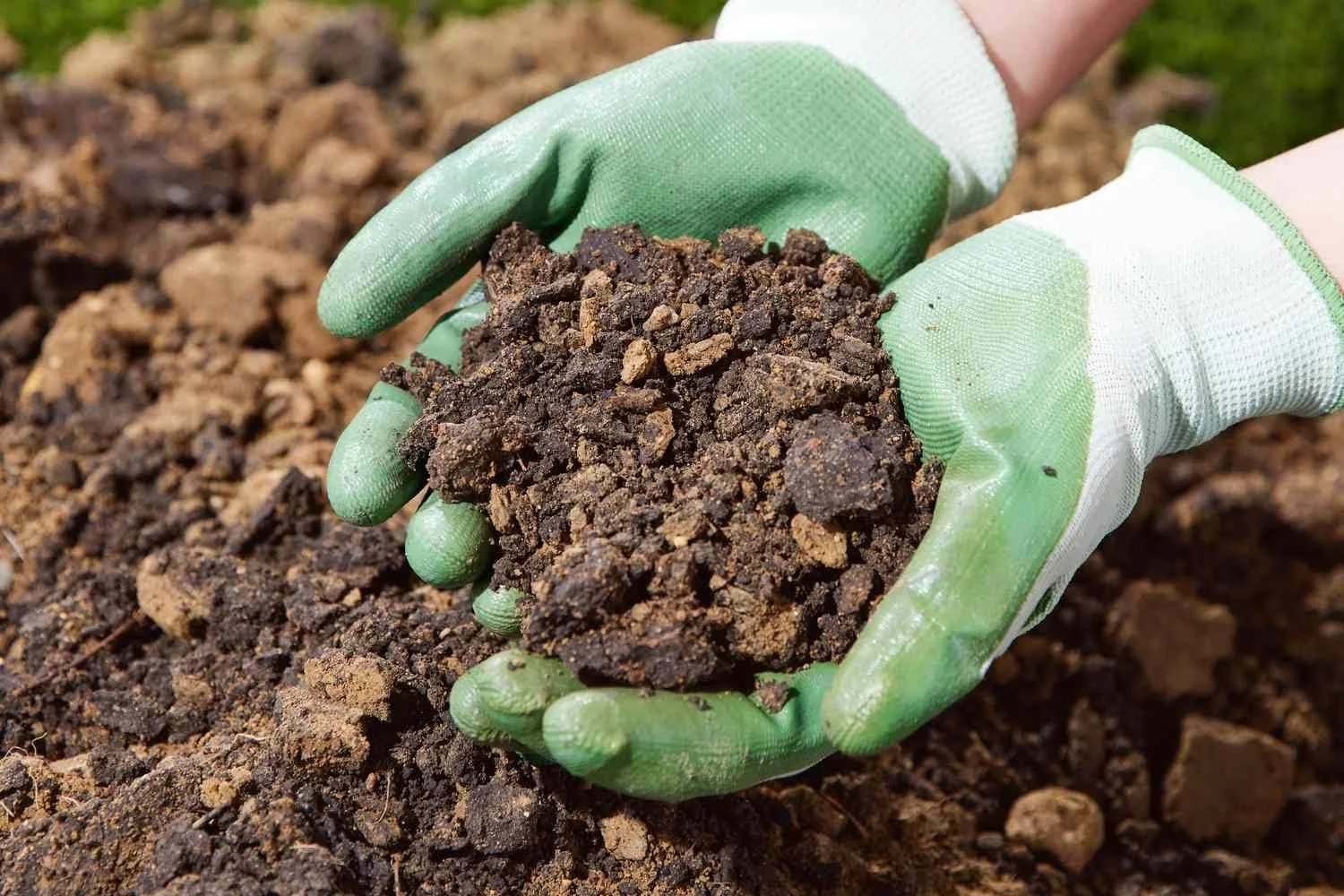
The second fix is adding organic matter, but in the right way. Organic matter helps soil particles form aggregates, which creates pore space and improves structure. In practice, this often looks like topdressing with compost and then mulching. Over time, earthworms and roots incorporate that organic matter
downward. In Western North Carolina, where leaf litter is abundant, leaf mold can be a powerful structural amendment. It is slow, but it is durable. Adding compost is one of the most effective strategies for anyone researching how to fix soil compaction naturally.
The third fix is loosening without pulverizing. This is where a garden fork or broadfork shines. Broadforking is not rototilling. You insert the tines, rock the tool to lift and crack the soil, and then you move on. You are not flipping layers and destroying structure. You are creating fissures for air, water, and roots. In compacted beds, a broadfork used when the soil is moist but not wet can create a remarkable change in how the bed behaves. The key is timing. If the soil is too wet, you smear. If it is too dry, you cannot penetrate. There is a sweet spot where the soil cracks rather than smears. Broadforking is often recommended when gardeners ask how to fix soil compaction without tilling.
If you do not have a broadfork, a sturdy digging fork can do similar work on a smaller scale. The goal is gentle fracturing, not churning. You are opening the soil like you would open a tight fist, not grinding it into powder.
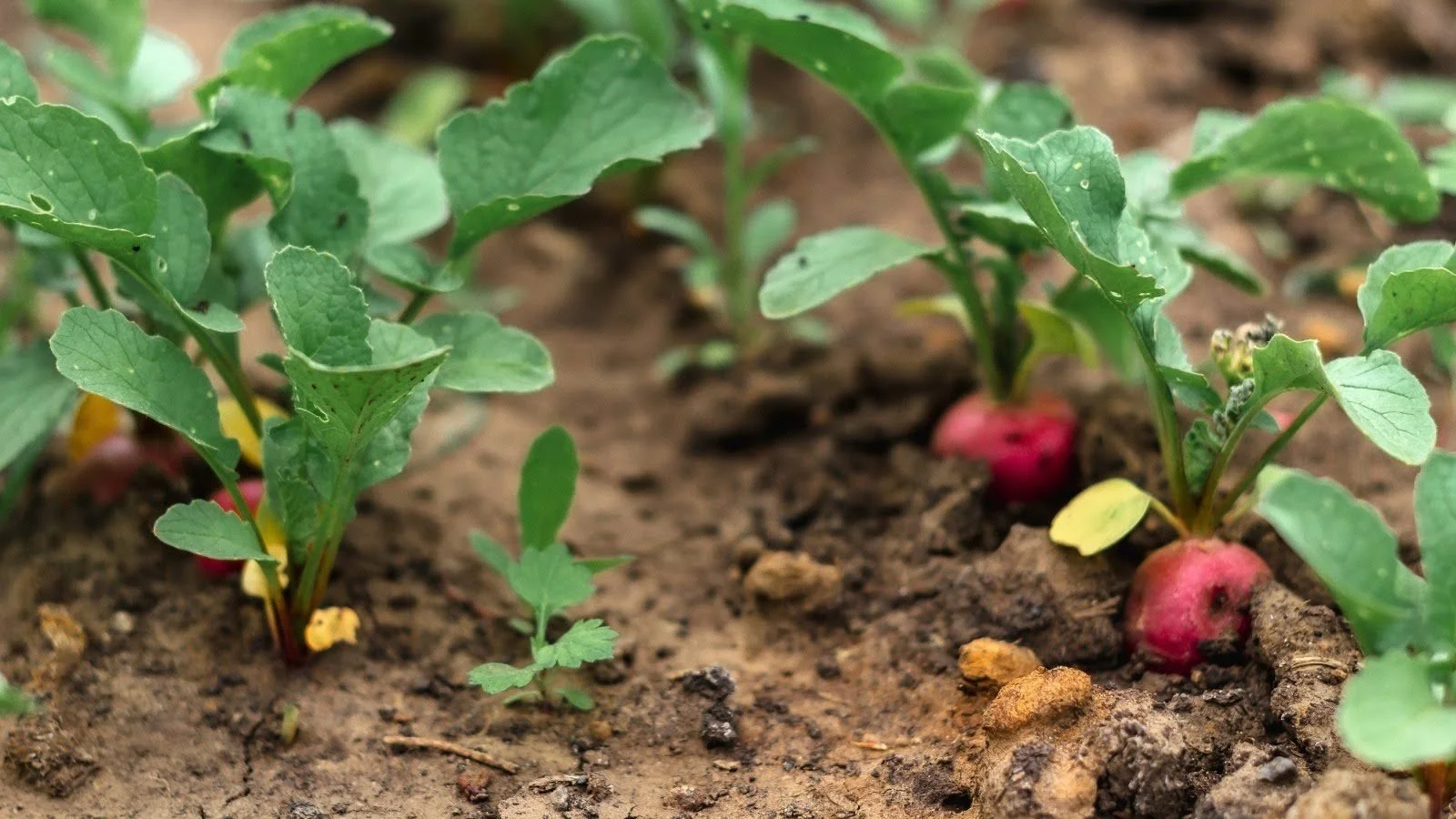
The fourth fix is deep rooting plants. Roots are soil architects. If you plant cover crops or deep-rooted species, their roots create channels, and when those roots decompose, the channels remain. In a home garden, even allowing certain
plants to root deeply and then chopping them down can add structure. Some gardeners use daikon-type radishes as a biological subsoiler. Others use clover, rye, or other covers depending on season. The idea is to use living roots to do what steel would do in a farm field, but in a gentler way.
The fifth fix is managing paths differently than beds. Many gardeners treat paths as leftover space. In reality, paths are infrastructure. If your paths are compacted mud in winter and dust in summer, the garden will always feel harder to manage. A simple solution is to build paths with wood chips. Wood chips create a surface that drains, reduces mud, and also slowly feeds the soil beneath. Over time, a wood chip path can actually improve the soil structure below it, especially if you refresh the chips periodically. This is one of the most satisfying low-tech fixes in our region, where moisture and clay can make paths miserable.
You can also use stepping stones or pavers in high-traffic zones, but even then, consider what lies between. A path does not have to be hardscape to be functional. It just has to be designed.
There are also things that do not help, and it is worth saying them plainly. Adding sand to clay is a classic myth. In the wrong proportions, sand and clay can form a concrete-like structure. It is rarely the right fix for compaction in a home
garden. Another common mistake is aggressive rototilling, which can temporarily loosen soil but often destroys structure and can create a compacted layer beneath the tilled zone. Tilling also accelerates organic matter breakdown, which can make soil structure worse over time if you are not constantly adding organic matter.
The low-tech approach is slower, but it is more durable. It builds structure rather than borrowing it.
If you have a bed that has been compacted by years of foot traffic or construction disturbance, a realistic plan might look like this: designate paths and stop stepping in the bed, broadfork or fork-loosen when conditions are right, topdress with compost, mulch with leaves or chips, and plant a crop with strong roots. Over a season, you will often see improved infiltration and plant vigor. Over a few seasons, the bed can shift from stubborn to workable.
The same approach applies to lawns and broader areas, but the scale changes. In compacted turf, aeration and organic topdressing can help. In heavily disturbed construction soils, sometimes the best approach is to build raised beds on top rather than trying to rehabilitate a compacted subgrade immediately. The right approach depends on the site and the timeline.
Compaction is not glamorous, but it is foundational. When you improve soil structure, you improve everything: water efficiency, root health, pest resilience, and plant vigor. You also make gardening physically easier, because tools move more readily, plants establish more reliably, and water behaves in a way that makes sense.
If you would like help diagnosing soil compaction issues on your property and creating a practical, low-tech plan for soil rehabilitation, schedule a consultation through the Unicorn Farm Nursery and Landscaping website. I can help you identify the sources of compaction, choose the best timing and tools for loosening, and design bed and path systems that work with Western North Carolina soils so your garden becomes more resilient and less frustrating season after season.
Compaction also tends to show up as zones rather than a whole-yard condition. The bed near the gate where everyone enters. The strip where you staged materials during a project. The path between raised beds that gets walked when you are hauling watering cans. If you treat soil compaction as a zoned problem, the fix becomes manageable: rehabilitate the worst areas first, then expand.
Timing is where many well-intended fixes backfire. If you fork soil when it is too wet, you smear and compact. If it is too dry, you cannot penetrate. Aim for the moisture window where soil cracks rather than smears. Mulch helps, too, not only by conserving moisture, but by cushioning the soil surface from hard rain and feeding the soil life that builds structure over time.
If you want a calm starting sequence, keep it gentle. Define paths and keep feet out of beds. Topdress with compost and leaves, then mulch. Loosen with a fork in the right moisture window, cracking rather than turning. Plant living roots that will build channels. Improve paths with wood chips so your movement supports the system rather than compressing it.
If you would like help diagnosing compaction issues and designing a bed and path layout that protects your soil while making the garden more functional, schedule a consultation through the Unicorn Farm Nursery and Landscaping website. I can help you identify compacted zones, recommend low-tech loosening and organic matter strategies timed to Western North Carolina conditions, and build a practical rehabilitation plan that improves soil structure without creating new problems in the process.
Paths deserve special attention because they are where compaction often becomes a quality-of-life issue. A bare-soil path in our climate swings between slick mud and hard crust, and every step on it adds pressure. Wood chips are one of the simplest fixes. They drain, they reduce mud, and they slowly feed the soil underneath as they break down. Over time, a wood chip path can actually improve the structure below it, especially if you refresh chips periodically. It is a low-tech move that makes the whole garden more usable, which means you do the gentle maintenance that keeps beds healthy. Once you understand what is soil compaction, the solutions become much more straightforward.
Warmly,
Logan