Beneficial Insects for Gardens: Not Just Ladybugs—Building a Predator-Friendly Space
Dear friend,
When people talk about beneficial insects for gardens, they almost always start with ladybugs. I understand why. Ladybugs are charismatic. They look like little painted beads. They also have a decent publicist. But if you want a garden that stays balanced through summer, you need to think beyond the celebrity insects and pay attention to the quiet working class: the hoverflies, lacewings, predatory beetles, tiny parasitoid wasps, and all the other small hunters that keep pests from becoming a full-scale crisis.
One of the most liberating ideas in integrated pest management is that you do not need a pest-free garden. A pest-free garden is often an ecological dead zone, and it is rarely achievable without heavy chemical pressure. What you need is a garden where pests exist in low numbers without taking over. That kind of balance is not a product you buy. It is an environment you build.
In Western North Carolina, building that environment matters because our warm, humid summers can push pest populations quickly. Aphids can appear overnight. Whiteflies can explode in sheltered spots. Mites can arrive when weather turns hot and dry. Caterpillars can strip a plant when you are busy for a week. The instinct is to reach for a broad solution. The trouble is that broad solutions often remove your allies along with your enemies, and then the pests rebound faster than the predators do.
A predator-friendly garden is one that supports beneficial insects for gardens by providing three things: food, shelter, and patience. Food does not only mean pests. It means nectar and pollen and the small resources that keep predators present even when pest numbers are low. Shelter means places to overwinter, hide from weather, and reproduce. Patience means resisting the urge to spray at the first sign of damage, and instead learning what a tolerable level of pest pressure looks like.
Let’s start with the basic cast of characters, because it helps to know who is doing the work even if you never learn their names.
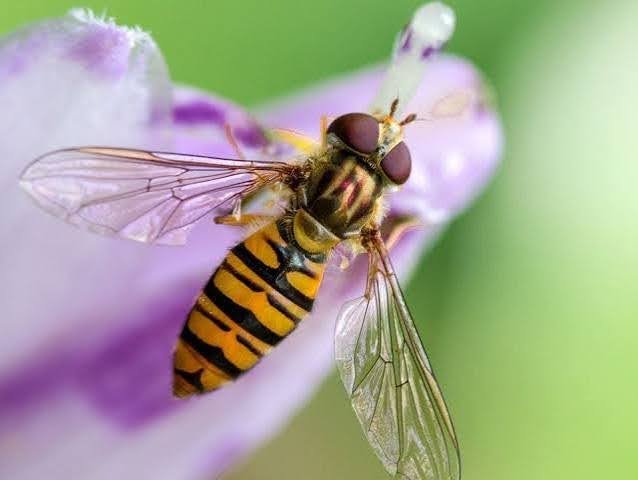
Hoverflies are one of my favorites because they trick the eye. The adults look a bit like small bees, hovering in place with an almost magical steadiness. They visit flowers for nectar and pollen. Their larvae, though, are the real gift. Hoverfly larvae are among the most effective beneficial insects for aphids, and they can clear a colony in a way that feels like a quiet miracle. If you see aphids on a plant and a few days later you notice the colony thinning without intervention, there is a good chance one of the many beneficial insects for gardens has arrived and is working.
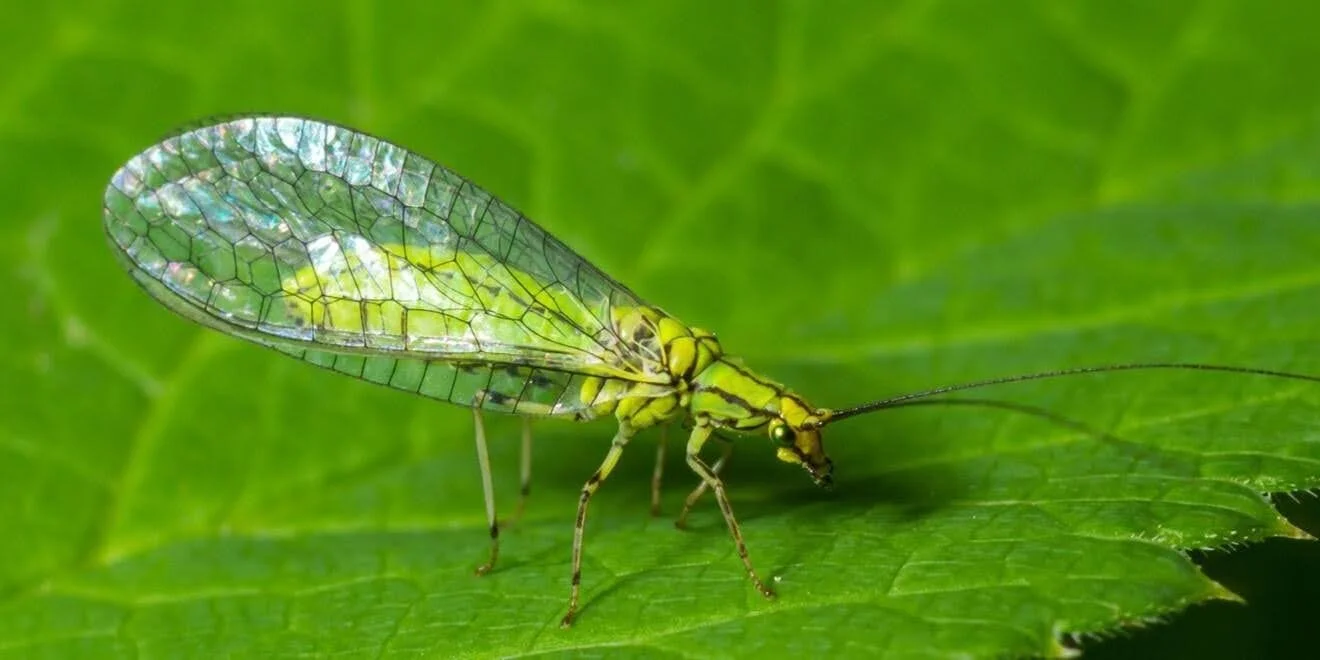
Lacewings are another underappreciated ally. Adults often appear around lights at night, delicate and green, like tiny dragons with glass wings. Their larvae are sometimes called aphid lions, and they are not picky. They will eat aphids, thrips, small caterpillars, and other soft-bodied pests. If you have ever seen a plant that had pests and then suddenly seems to recover, it is often because predators like lacewings moved in.
Predatory beetles are the ground-level hunters. Some roam the soil surface, eating eggs and larvae. Some climb plants. They are not glamorous, but they are a major part of why many pest outbreaks never fully happen. Parasitic wasps are the invisible managers. Many are tiny enough that you would never notice them unless you look closely. They lay eggs in pest insects, and their offspring develop inside, preventing the pest from reproducing. If you have ever seen an aphid that looks swollen and tan, like a little mummy, you have seen evidence of parasitoids at work.
Then there are the spiders, which are not insects but deserve respect. A spider rich garden is a garden with balance. Spiders are generalist predators. They take what is available, and they reduce pressure across many pest categories. If you can tolerate a few webs in the corners, you are recruiting a free security team.
Now, how do you build a garden that welcomes and retains this community?
The first and most powerful tool is bloom continuity. Beneficial insects for gardens need nectar and pollen, especially the adults of many predator species. If your garden has a strong flush of flowers in spring and then a long gap, predators may leave. If your garden offers small, accessible flowers across the season, you create a steady support system.
In practical terms, that means planting with an eye toward a long arc. Early flowers feed early beneficials. Summer flowers keep the population present. Late flowers help predators build reserves for the next year. Many of the best beneficial-supporting flowers are not the showiest. They are often small-flowered plants, the kind that look modest until you watch them and realize they are crowded with life.
Herbs in bloom are excellent for this, as are many native perennials. You do not need a dedicated insectary bed the size of a swimming pool. Even a border with a handful of plants that flower in sequence can make a difference. The trick is to allow some plants to flower rather than harvesting or deadheading everything immediately. In a predator-friendly garden, you sometimes let a plant complete its bloom cycle because you understand you are feeding more than your eyes.
The second tool is structural diversity. Predators need habitat. A garden that is all bare mulch and isolated plants is like a city with no neighborhoods. It is hard for beneficials to persist. When you add groundcover, leaf litter in appropriate places, perennial clumps, native grasses, and shrubs, you create hiding and overwintering sites. This matters in Western North Carolina because winter weather is variable. Beneficial insects for gardens that can shelter through cold snaps and wet periods are the ones that reappear early and help you in spring.
One of the simplest, most controversial pieces of advice is to relax your cleanup. If you cut everything to the ground and remove all leaf litter in fall, you remove overwintering habitat for many beneficials. If you leave some stems, seedheads, and leaf litter in less visible parts of the garden, you provide shelter. You can still keep the garden looking cared for by maintaining clean edges and clear paths. A predator-friendly garden is not a neglected garden. It is a garden with intentional refuge.
The third tool is water and microclimate. Many beneficial insects for gardens can become stressed by dehydration during hot weather. A shallow water source, a damp area, or even a garden with good soil moisture can support predator activity. In hot weather, some predatory insects seek humidity and shelter. That is another reason that diverse planting and mulched soil can help. It creates a more stable microclimate than bare ground.
Now we come to the part that often determines whether a predator-friendly approach succeeds: how you respond when you see pests.
If you spray a broad-spectrum insecticide when you first see aphids, you may kill the aphids, but you also kill the predators that would have come to feed on them. Then, because aphids reproduce quickly, they rebound. Predators, which often reproduce more slowly, do not rebound as fast. So you end up in a cycle where you must spray again, and each spray makes the system less balanced. This is how gardens become dependent on intervention.
A predator-friendly garden uses thresholds to protect beneficial insects for gardens. You ask: is the pest actually causing meaningful damage, or is it simply present? Are the plants still growing? Are new leaves healthy? Do I see predators arriving? If you can tolerate a little feeding, you give predators time to respond. Often the response is remarkable. A colony that looked scary on Tuesday can look manageable by the weekend if predators find it.
This does not mean you never intervene. It means you intervene in ways that preserve your allies. A strong stream of water can knock aphids off. Hand removal can reduce caterpillar pressure. Pruning out a heavily infested tip can remove a hotspot. Insecticidal soaps and oils can be useful when used carefully and targeted, but even these can harm beneficial insects for gardens if applied broadly. The guiding principle is precision: treat the problem area, not the whole garden.
It also means paying attention to the conditions that create pest outbreaks. Over-fertilized plants with lush, soft growth attract aphids. Stressed plants attract mites. Crowded, humid canopies invite whiteflies and fungal problems. Sometimes the best pest control is better spacing, steadier watering, and less nitrogen. That is not as satisfying as a dramatic solution, but it is more durable.
A predator-friendly garden is also one where you learn to recognize good signs. When you see ladybug larvae, which look nothing like ladybugs, it is a sign. When you see a few aphid mummies, it is a sign. When you see hoverflies on small flowers, it is a sign. When you see tiny wasps on the underside of leaves, it is a sign. These signs build confidence, and confidence reduces panic.
There is also a deeper shift that happens when you garden this way. You stop seeing every insect as a threat, and you start seeing the garden as a community. You become a steward of relationships rather than a manager of isolated plants. That shift makes gardening calmer. It also makes it more interesting, because you begin noticing the small dramas and collaborations that were always there.
If you want to build a predator-friendly garden, start small and consistent. Add a few plants that provide nectar and pollen across the season to support beneficial insects for gardens. Leave a little refuge in fall. Avoid broad sprays. Use targeted, low-impact interventions when needed. Watch what happens.
If you would like help designing a planting plan that supports beneficial insects while still fitting your aesthetic and maintenance goals, schedule a consultation through the Unicorn Farm Nursery and Landscaping website. I can help you choose plants that feed predators through the season, identify ways to create refuge without making the garden look messy, and develop a practical integrated pest management approach that works in Western North Carolina conditions, so your garden becomes more resilient and less dependent on emergency interventions.
A lot of gardeners try to jump-start this by purchasing beneficial insects. In a greenhouse it can make sense. Outdoors, it is often disappointing, because released insects disperse if the surrounding habitat does not offer what they need. The more durable approach is to build the habitat so local beneficial populations choose your garden on their own.
Many of the best plants for attracting beneficial insects for gardens are generous with nectar and pollen, often in clusters of small flowers that tiny beneficials can actually use. In our region, mountain mints are famous for drawing hoverflies and small wasps. Golden alexanders can carry the early season. Yarrow can be a steady midseason resource and provides sturdy stems. Asters and goldenrods, allowed to bloom in late summer and fall, are some of the best end-of-season supports for beneficials preparing for winter. Even a small ribbon of these blooms near vegetables can change the tone of your pest season.
The way you respond to pests is where the predator-friendly approach becomes real. If you see aphids, start with the least disruptive action: a strong rinse of water early in the day, pinching out the worst tips, and then watching for predators. If the plant is suffering and predators are not showing up, use a targeted treatment on the affected area rather than blanket spraying. The same principle applies to caterpillars and other pests: hand removal, pruning out hotspots, and precise interventions that do not collapse the entire beneficial community.
One practice I recommend is a weekly walk-and-look. Not a long inspection, just a slow pass where you check new growth and leaf undersides and notice patterns. Over time, you learn what normal looks like, and that knowledge reduces panic. Gardening becomes observation rather than emergency response.
If you would like help designing a planting plan that supports beneficial insects for gardens while still fitting your aesthetic and maintenance goals, schedule a consultation through the Unicorn Farm Nursery and Landscaping website. I can help you choose plants that feed predators through the season, identify ways to create refuge without making the garden look messy, and develop a practical integrated pest management approach that works in Western North Carolina conditions, so your garden becomes more resilient and less dependent on last minute interventions.
Warmly,
Logan