Edges That Work: Hedgerows, Living Fences, and Habitat Strips for Beneficials
Dear friend,
A garden’s edge tells the truth about the gardener.
Not in a judgmental way—more in the way a shoreline tells you what the water has been doing. Edges reveal how wind moves, how water drains, how wildlife travels, how privacy is handled, how the land transitions from “managed” to “semi-wild.”
In the Blue Ridge, edges matter even more because our landscapes are rarely flat or isolated. We garden within a larger ecological fabric: woods, pastures, creek corridors, neighbors’ properties, and the long, invisible travel routes of insects and birds. When we build edges that work—hedgerows, habitat strips, living fences—we’re not just decorating a boundary. We’re shaping function.
If you’ve ever wondered what is a hedgerow, it’s simply a planted boundary made of trees, shrubs, and sometimes herbaceous plants that function together as a living system.
A hedgerow can do so many jobs at once that it almost feels like cheating. It can serve as a windbreak, reducing winter desiccation and summer stress. It can create privacy without the stiff, single-species wall that often fails in a few years. It can offer pollen and nectar across seasons, which supports pollinators and beneficial predatory insects. It can provide berries and shelter for birds. It can slow runoff and catch leaf litter, building soil along the margin.
And it can make a property feel grounded—like it belongs to the land rather than sitting on top of it.
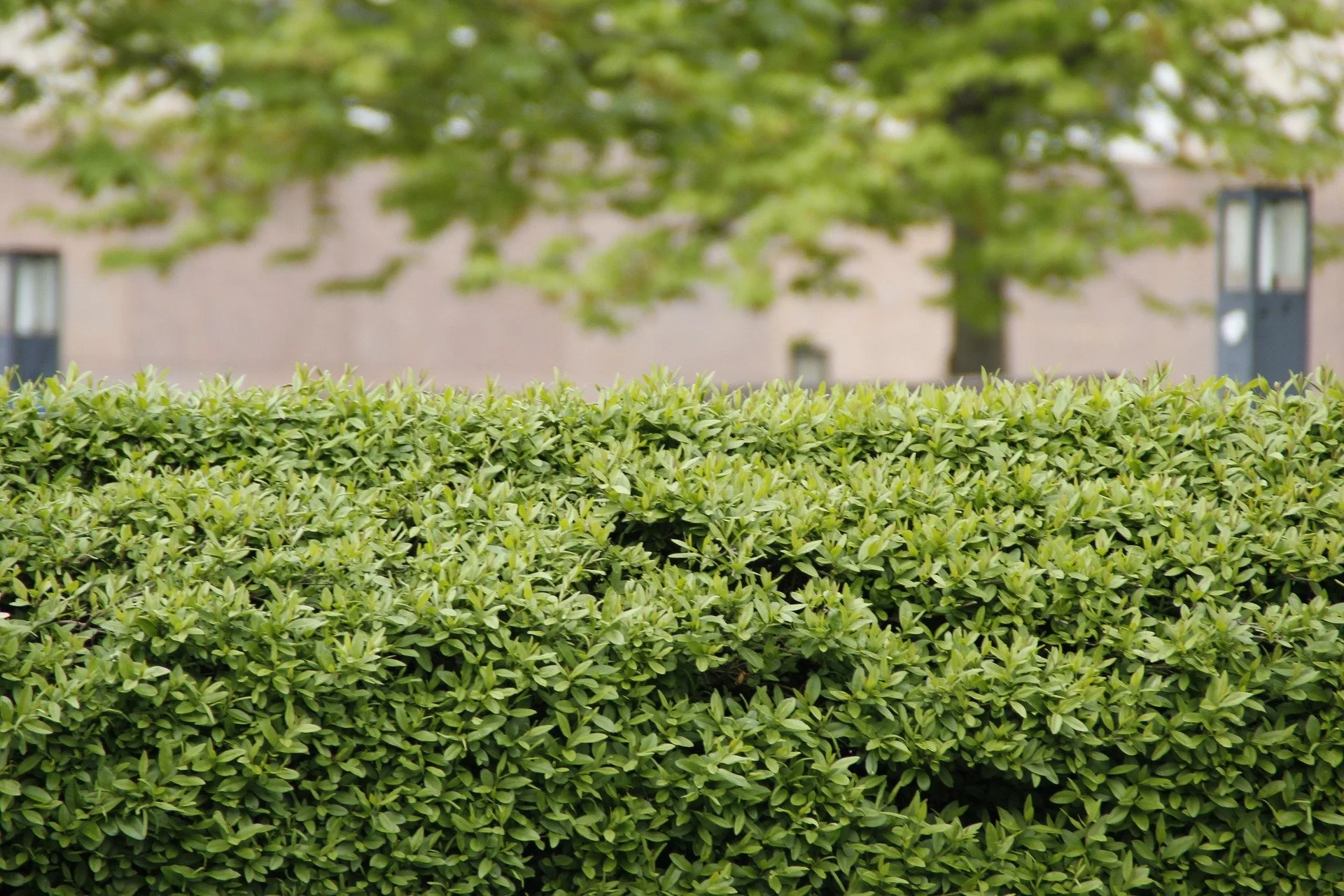
The mistake people often make is thinking of a hedge as a single line of identical shrubs. That misunderstanding is often rooted in not fully understanding what is a hedgerow and how differently it functions from a clipped hedge. That approach can work in some contexts, but it’s more fragile. If one pest or disease targets that species, you lose the whole thing. A more resilient hedgerow is layered and diverse. It behaves more like an ecosystem than an installation. This is where thoughtful hedgerow landscaping makes the difference between a decorative shrub line and a functioning ecological edge.
Layering is the secret. A canopy layer (even if it’s small trees spaced out), a shrub layer, and a herbaceous layer beneath. Each layer supports the others: shade moderation, root diversity, habitat complexity, and staggered bloom times that keep beneficial insects present. Diversity also smooths out the ugly season. Something is always doing its job.
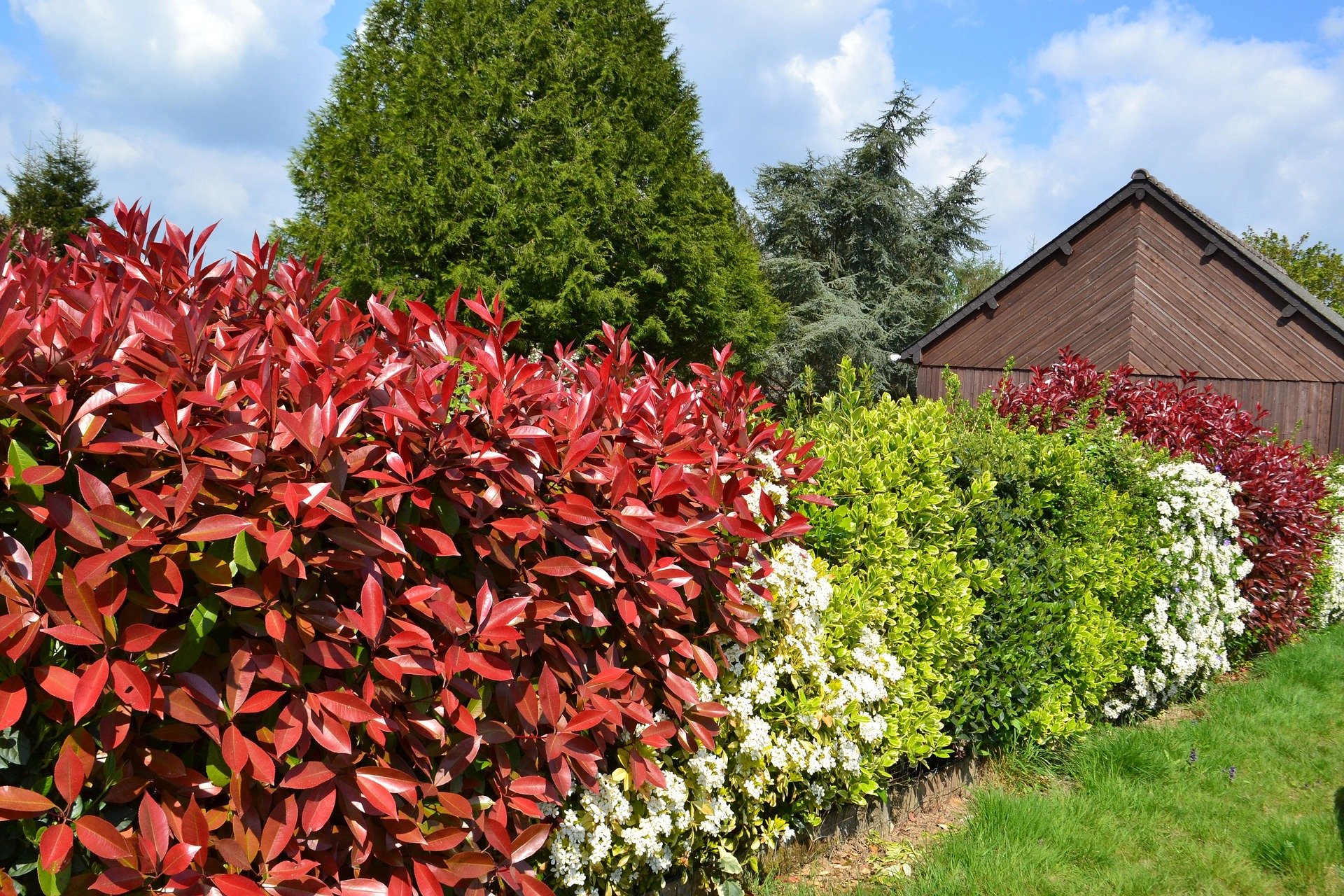
Native plants shine here because they’re adapted to our conditions and they plug into local food webs. When you choose natives thoughtfully, you’re not just planting; you’re restoring relationships—host plants for caterpillars, nectar sources for native bees, berries timed to migration. That’s not sentimental. It’s practical. A living hedge that supports beneficial insects can reduce pest pressure in your nearby beds. A hedge that supports birds can reduce certain insect problems. These relationships matter.
Establishment is the part people underestimate. A hedgerow is not “plant and walk away.” The first two years are when you set the structure: consistent watering during dry stretches, mulching to protect roots, keeping weeds from stealing moisture, and light pruning to encourage good branching where needed. After establishment, many hedgerows become far more self-sufficient than ornamental beds, but they need that early investment. Understanding what is a hedgerow helps here: it’s not just a row of plants, but a layered, living system that needs attention early on to perform all its functions over time.
In hedgerow landscaping, placement matters as well. A hedgerow on contour can slow runoff and stabilize a slope. A hedgerow placed to block prevailing winter winds can reduce stress on nearby evergreens and tender perennials. A hedgerow near a vegetable garden can act as a beneficial insect reservoir, provided it doesn’t shade out what needs sun. Design is always about tradeoffs, and a good hedgerow design respects the tradeoffs.
The payoff is long-term. Once a hedgerow is established, it becomes infrastructure. Over time, living fences and habitat strips become structural elements of the property rather than temporary plantings. It’s not a seasonal feature you replant. It’s a backbone.
If you’d like help designing a hedgerow or habitat strip—one that fits your property goals, supports beneficials, and looks good in every season—visit our website to schedule a consultation. We’ll build an edge that does real work and makes your land feel more whole.