How to Use Worm Castings - Turning Kitchen Scraps into High-Octane Soil Biology
Dear friend,
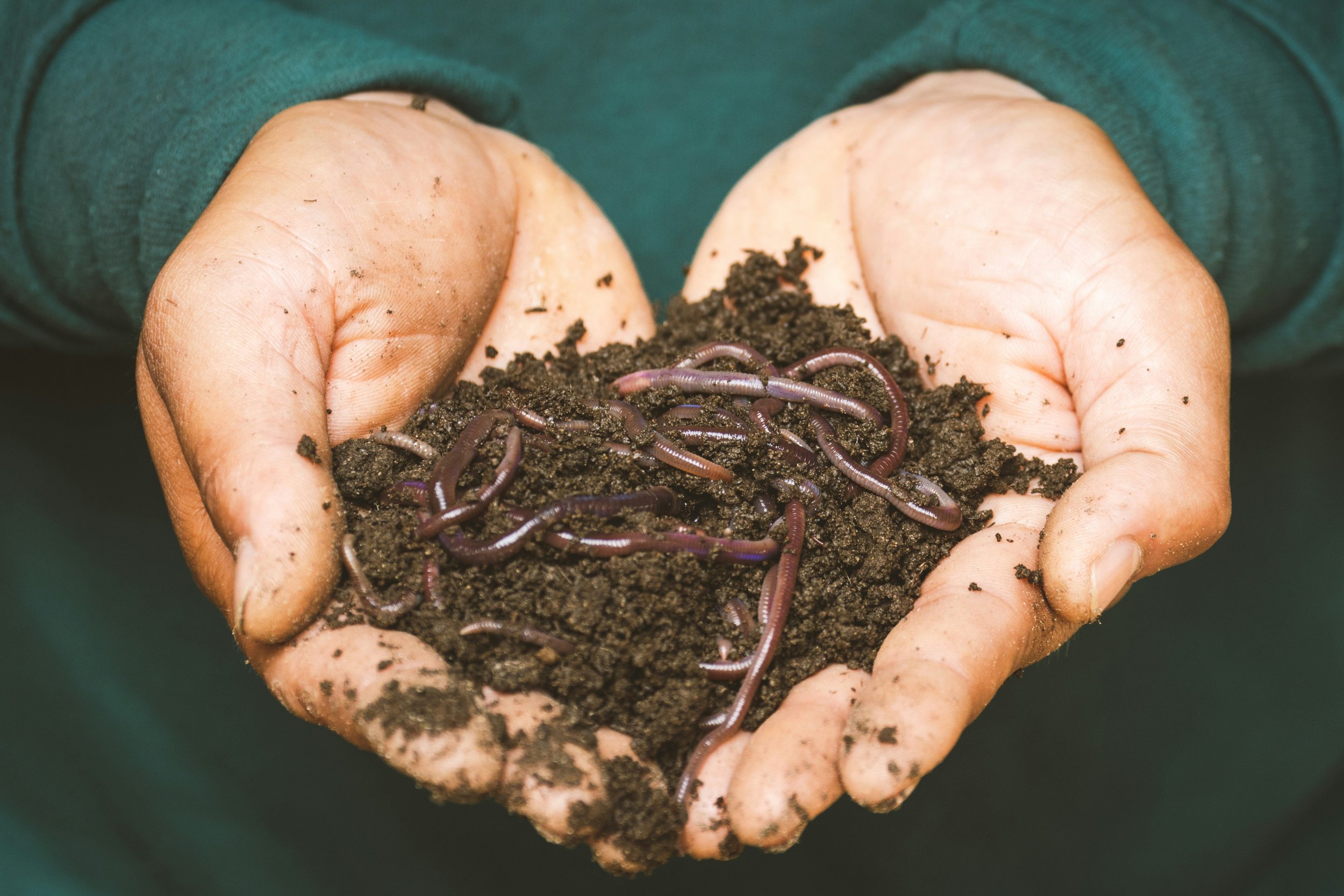
If you’ve ever held a handful of good compost—dark, crumbly, earthy-smelling—you know it feels like the end of an argument. It’s proof that waste can become fertility, that cycles can close, that the garden doesn’t have to rely on constant inputs from far away. Here’s a simple guide on how to use worm castings to make the most of that fertility in your garden.
Worm castings take that feeling and concentrate it.
Castings are not just “worm poop,” though that’s the funny shorthand. They’re a biologically active, gentle amendment that improves soil structure, nutrient availability, and microbial diversity—some of the key benefits of worm castings. In practical terms, they help plants grow better without burning them. They’re especially valuable for seedlings and containers—places where the soil environment is limited and easily thrown out of balance.
Vermiculture—keeping worms intentionally—is one of the most approachable forms of home soil-building because it scales to your life. You can do a small bin under a counter. You can do a larger system in a garage. You can keep it simple and still get real results.
The worms most people use are composting worms—red wigglers—because they thrive in organic matter near the surface, not in deep mineral soil like earthworms. They like a stable environment: moist but not wet, dark, well-aerated, and fed in modest increments. Their bedding—shredded cardboard, paper, leaf litter—provides structure and carbon. The food scraps provide nitrogen and moisture. The worms and microbes do the transforming. Understanding how to use worm castings starts with understanding this process — healthy worms create biologically active castings that improve soil from the ground up.
A healthy worm bin should smell earthy, not sour. If it smells sour, it’s usually too wet or too much food is decomposing anaerobically. This is where the “system” mindset matters. Worm bins don’t need perfection, but they do need balance: carbon and nitrogen, moisture and air, food input and processing capacity.
The castings themselves are powerful because they’re stable and biologically rich. They’re not a high-salt fertilizer. They don’t spike growth in a way that makes plants weak. They tend to support steady, resilient growth—especially when paired with good light and sound watering.
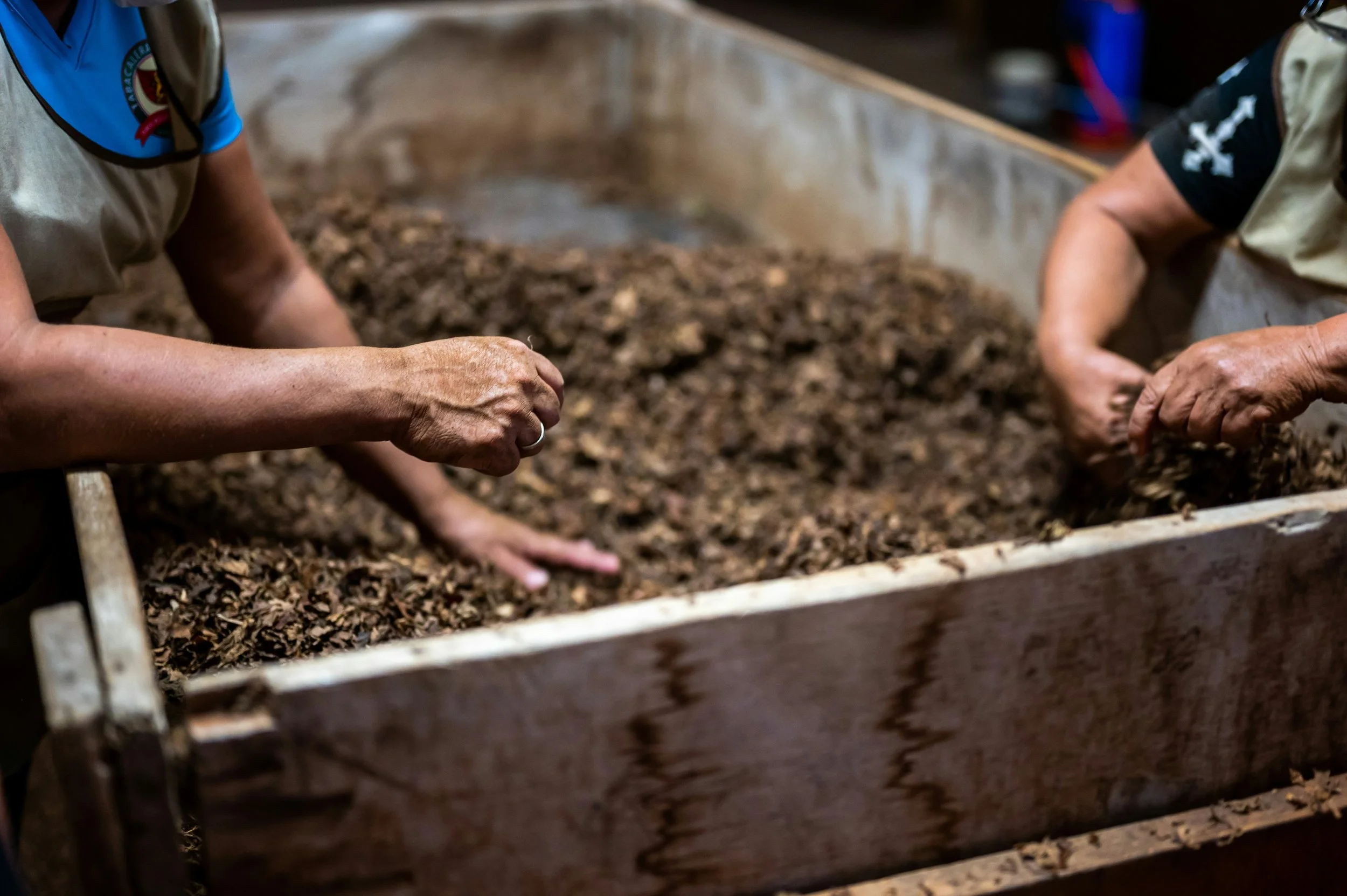
In a garden context, I think of castings as a ‘biological primer.’ If you’re wondering how to use worm castings, you can top-dress containers with a thin layer, blend a modest amount into potting mixes, or add castings around transplants. You don’t need a lot. A little goes a long way, and the biggest benefits often come from microbial activity and improved moisture handling rather than a dramatic nutrient dump.
I also want to say a gentle word about “worm tea.” People sometimes make castings tea and treat it like a miracle potion. It can be useful, but it can also be overhyped and, if handled poorly, risky. The safer, simpler approach is to use castings directly in soil and let the soil ecology do what it does, allowing the natural benefits of worm castings to unfold over time. If you do make a tea, cleanliness and timing matter. The goal is living biology, not a fermentation experiment you didn’t mean to run.
One of the reasons I like vermiculture in early spring is that it ties your household rhythm to your garden rhythm. The scraps from your kitchen become part of the fertility that grows your seedlings. It’s a small act of sovereignty, honestly—a way to reduce dependence on purchased inputs while improving soil health in a real, measurable way. Knowing how to use worm castings ensures those kitchen scraps translate into stronger seedlings and healthier soil.
And like most good garden practices, it’s humbling. The worms won’t tolerate neglect forever. They also won’t tolerate over-attention. They want steadiness. They want you to feed them like you’d feed a fire: not all at once, but consistently enough to keep the system alive.
If you want personalized guidance on how to use worm castings and set up a system tailored to your space, visit our website to schedule a consultation. We’ll help you turn everyday scraps into a reliable soil-building habit that supports healthier plants all season long.