Fertilizer Labels Decoded: N-P-K Meaning, Micronutrients, and What Plants Actually Use
Dear friend,
Fertilizer is one of those topics where certainty sells, and confusion spreads—especially when it comes to interpreting fertilizer labels.
Walk into any garden center and you’ll see bold numbers, confident promises, and products that sound like they can solve anything. But the truth is that fertility is not magic—it’s chemistry, biology, and timing. And once you understand a few fundamentals, you stop being easy to manipulate by marketing and start making choices that actually match what your plants need.
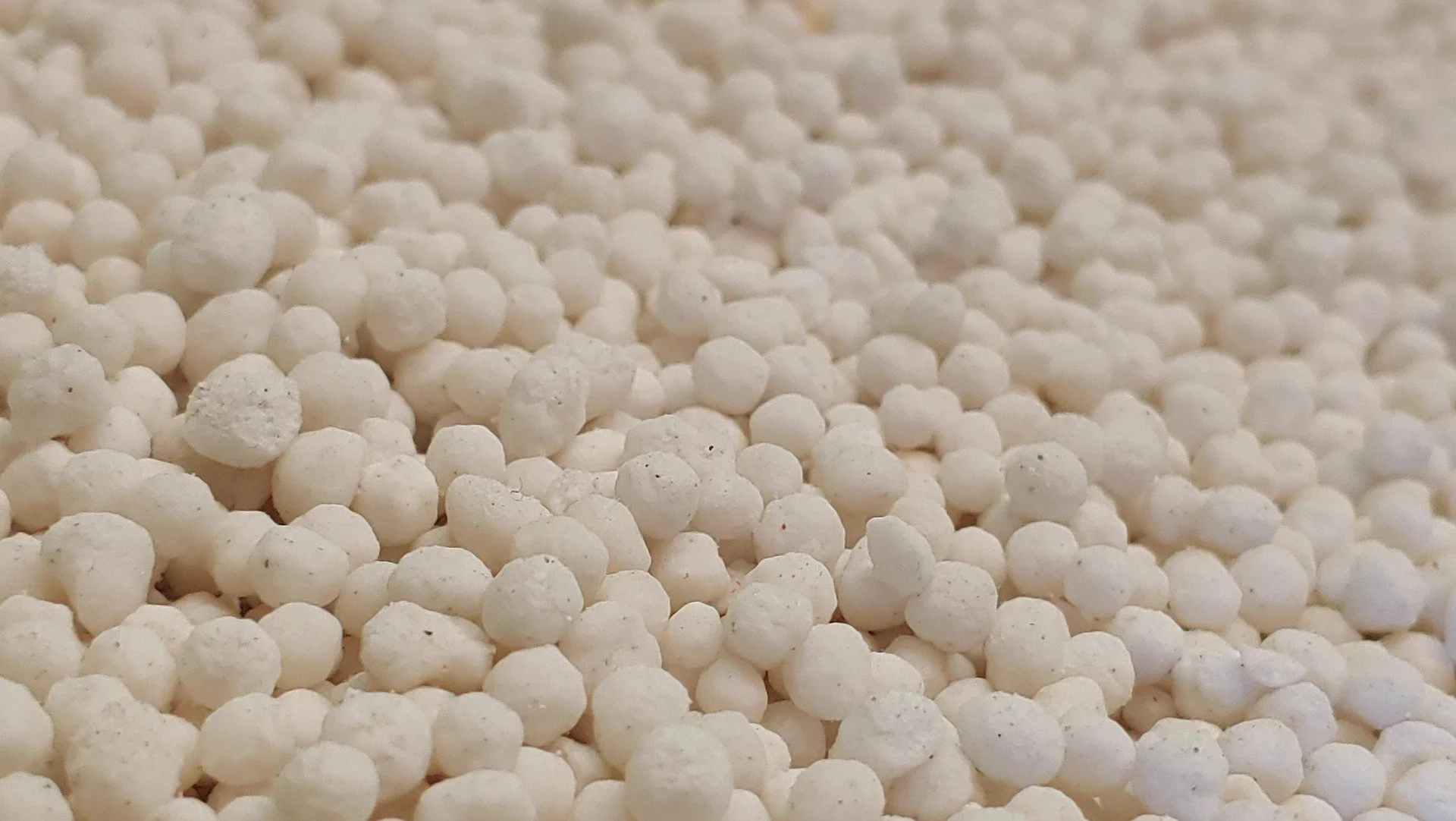
Let’s start with the famous three numbers on fertilizer labels: N-P-K. What is the meaning of N-P-K? Those numbers represent the percentage by weight of nitrogen, phosphorus, and potassium in the fertilizer. Understanding these numbers is easier when you know how to read fertilizer labels, because the labels show exactly how much of each nutrient is in the product. They do not represent “strength” in the way people assume. They represent ratio and concentration. A higher number is not automatically better. It’s just more of that nutrient per pound of product.
Nitrogen drives leafy growth. It’s often the nutrient people reach for because it produces visible results. But too much nitrogen can create weak, lush growth that’s more attractive to pests and more susceptible to disease. It can also suppress flowering in some plants. In lawns, excess nitrogen can create a cycle of dependency—fast growth followed by stress.
Phosphorus is often associated with roots and blooms, but it’s also the nutrient most commonly overapplied in home landscapes. Many soils already have adequate phosphorus, and adding more doesn’t help. It can, however, contribute to water quality problems if it runs off into waterways.
Potassium relates to overall plant function—stress tolerance, water regulation, and general vigor. It’s not a “bloom booster” in the simplistic way labels suggest, but it’s part of plant resilience.
Then there are micronutrients listed on fertilizer labels: iron, magnesium, manganese, zinc, boron, and others. Plants need them in small amounts, but “small” doesn’t mean “optional.” It also doesn’t mean you should throw them around without a reason. Many micronutrient issues are not “missing nutrients” but pH issues. If soil pH is off, nutrients can be present but unavailable. This is why soil testing matters. Fertilizer without diagnosis is often just expensive guessing.
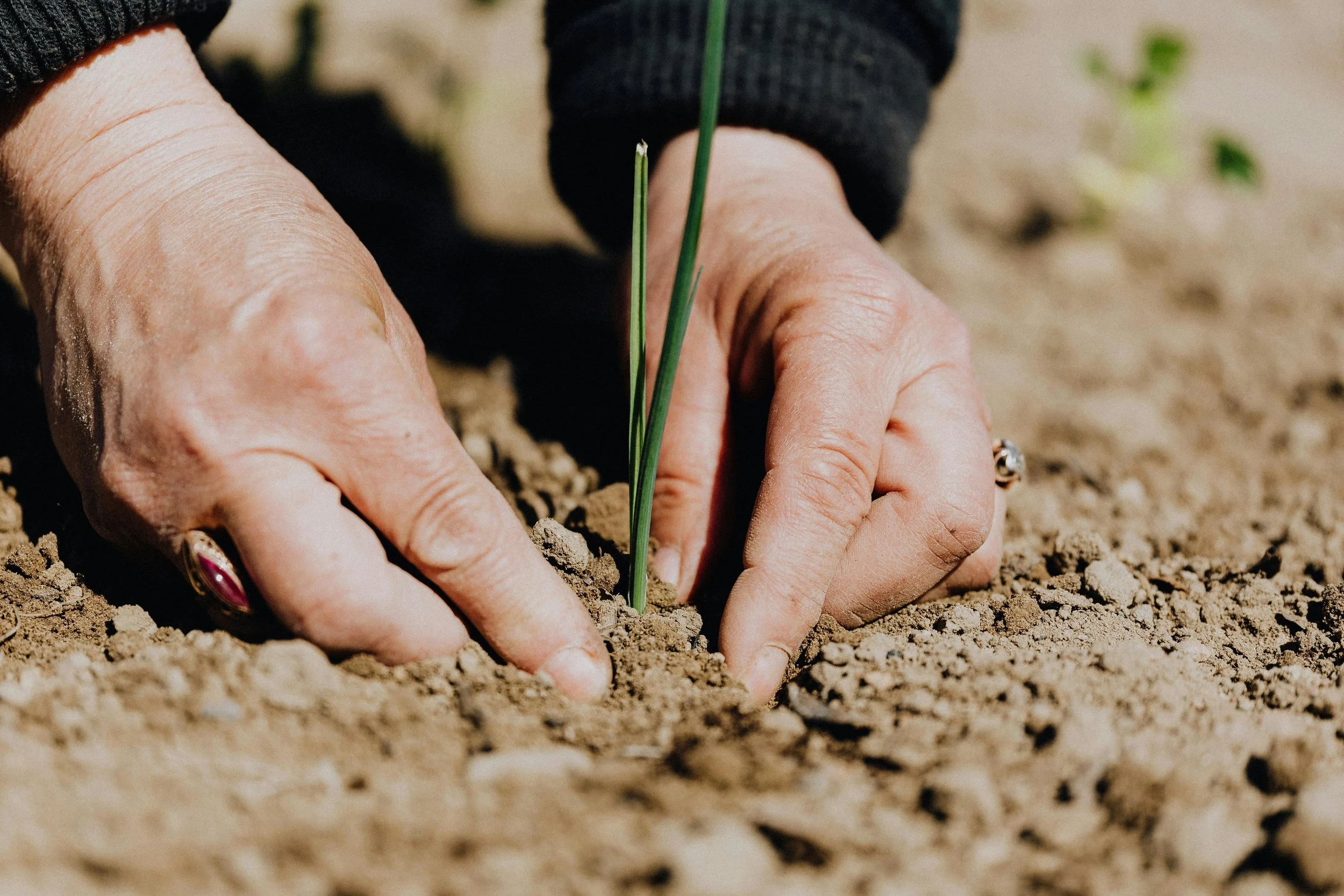
The organic versus synthetic conversation is another place where nuance matters. Synthetic fertilizers tend to be readily available to plants—fast. Organic fertilizers often rely on microbial activity to release nutrients—slower, steadier, and more tied to soil life. No matter the type, knowing how to read fertilizer labels helps you match the product to your soil, plants, and growth goals. Neither is inherently evil or holy. They behave differently. The choice depends on goals, soil condition, timing, and the gardener’s management style.
In our region, I often see problems created by well-meaning overfeeding—especially in ornamental landscapes where people want shrubs to “take off.” But woody plants are not annuals. Pushing them too hard can lead to weak growth and more pest pressure. Fertility should support health, not force speed.
If I could give one calm principle, it would be this: fertilize as part of a system, not as a reaction to anxiety. Look at the plant. Look at the site. Consider light, water, and soil structure. Many “nutrient deficiencies” are actually moisture problems or compaction problems or root problems. Fertilizer won’t fix those.
And when you do fertilize, do it with intention. Understanding the N-P-K meaning on your fertilizer labels helps you know what you’re applying, why you’re applying it, and what outcome you expect. That’s how you stay grounded and effective.
If you’d like help interpreting a soil test—or building a fertility plan for your landscape that supports plant health without overfeeding—visit our website to schedule a consultation. We’ll develop a plan tailored to your plants, your soil, and our Blue Ridge conditions.