How to Harden Off Seedlings: Preventing Sunscald, Windburn, and Transplant Shock
Dear friend,
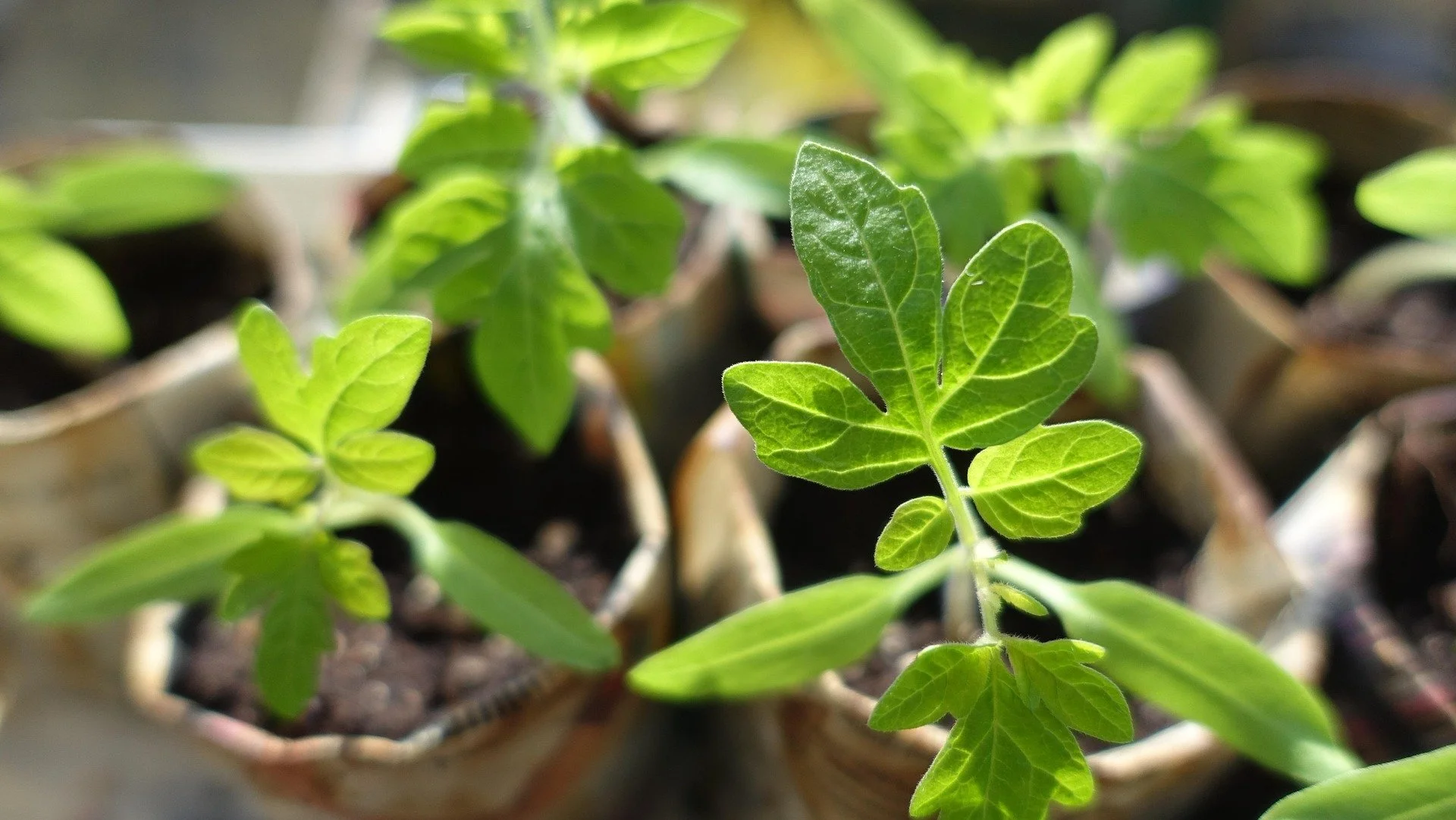
Every spring, there’s a moment when seedlings look so healthy indoors that you start to believe they’re invincible. They’re green, eager, and full of promise. And then you set them outside on a bright day—just for an hour, you tell yourself—and they come back looking like they spent the afternoon in a desert wind. If you’ve ever wondered how to harden off seedlings without that setback, the answer lies in understanding what actually changes when plants move from indoors to outdoors.
Hardening-off is the bridge between protected life and real life. It’s the step that turns a tender indoor plant into an outdoor plant. And it’s not optional if you want consistent success.
The reason hardening-off matters is that indoor conditions are not just “warmer.” They are fundamentally different. Indoor light is weaker and filtered, even in bright windows. Wind is minimal. Temperature swings are small. Humidity is often higher around plants. UV exposure is dramatically lower. Plants grown in these conditions build tissues suited to those conditions—thin leaves, less waxy cuticles, stems that haven’t needed to resist wind.
When you move a plant outdoors suddenly, you’re asking it to handle intense light, UV, wind-driven transpiration, and temperature fluctuation without the structures it needs. The result can be sunscald, windburn, stalled growth, or transplant shock.
Hardening-off is simply a gradual training process. When people ask how to harden off seedlings, what they’re really asking is how to guide that training process without overwhelming the plant. You introduce seedlings to outdoor conditions in small doses, increasing exposure over time. You don’t just “get them used to it.” You allow them to physically change—thickening cuticles, adjusting stomatal behavior, strengthening stems, and modifying leaf tissues.
The biggest hardening-off errors are predictable. One is too much sun too soon. Another is a windy day that seems harmless but strips moisture faster than the roots can replace it. Another is leaving seedlings out overnight too early, especially in cold pockets where temperatures drop lower than forecast. And another is inconsistent exposure—bringing plants out one day, forgetting for three days, then expecting them to perform. In all these cases, watching for transplant shock symptoms can alert you to trouble before it’s too late.
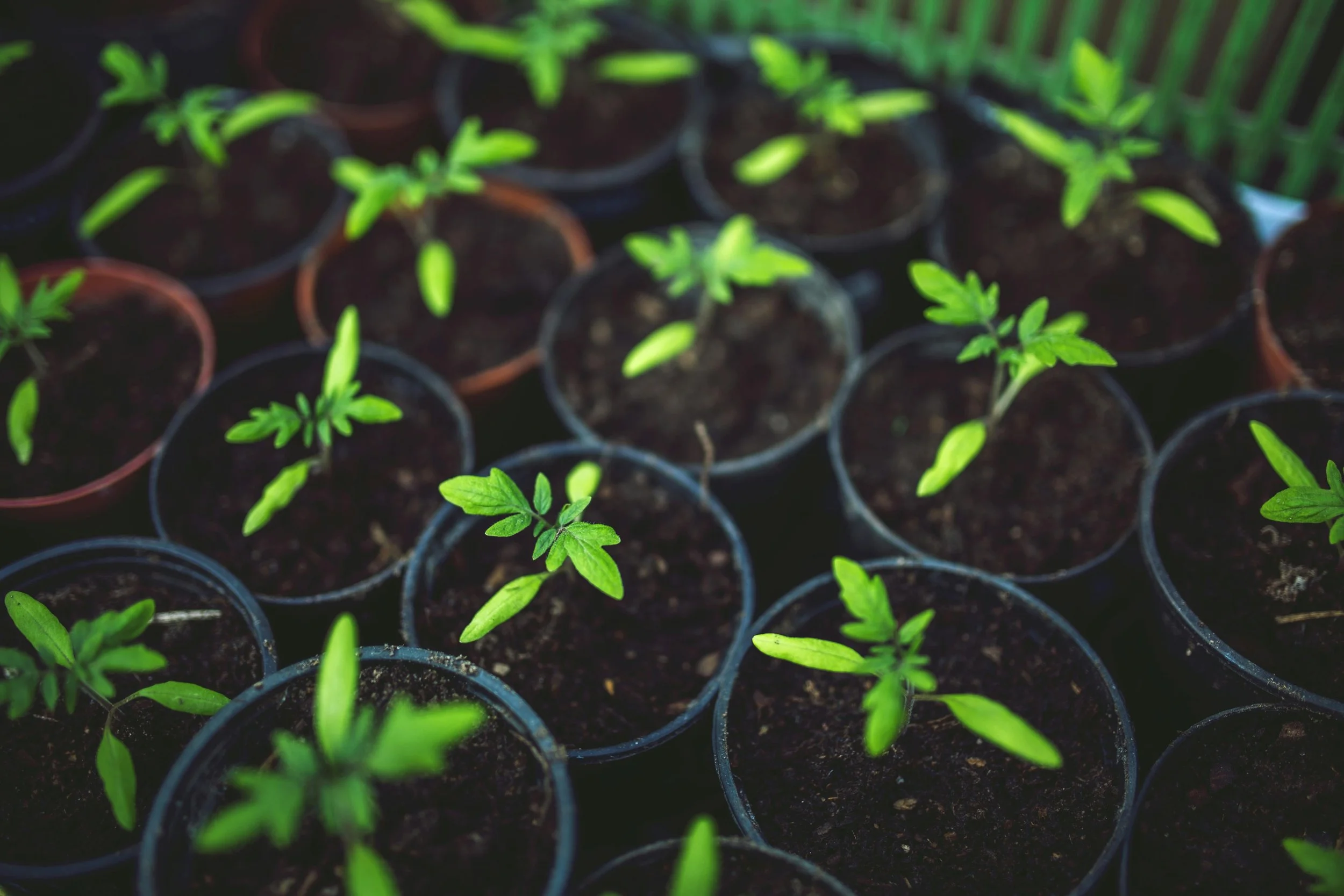
A steady rhythm is kinder and more effective.
I also like to remind people that hardening-off is not a fixed schedule; it’s responsive. When people ask how to harden off seedlings, they often expect a strict seven-day formula. In reality, it’s more about reading conditions than following a calendar. If the weather is harsh—windy, hot, or unusually cold—you slow down. If conditions are mild, you can progress more quickly. The plants will tell you how they’re handling it. Slight droop that recovers is normal. Crispy edges and bleaching are a sign you moved too fast.
Watering plays into this too. Seedlings that are slightly on the dry side during hardening-off will sometimes “toughen,” but if they dry too much, they stress and stall. Watching for transplant shock symptoms—like wilting or slowed growth—can help you fine-tune watering. You want them well-watered but not waterlogged. This is where morning hardening-off is often gentler than afternoon exposure. Morning sun is kinder. Afternoon sun can be brutal, especially in late March and early April when the air is cool but the light is intense.
Transplant timing is the final piece. Even if you’ve learned how to harden off seedlings properly, planting into inhospitable soil can undo that careful preparation. A perfectly hardened seedling can still suffer if it’s planted into cold, wet soil that doesn’t allow roots to function well. Outdoor success is not just “air temperature.” It’s soil temperature, drainage, and the plant’s ability to grow new roots quickly. Sometimes waiting a week is the difference between a plant that sits sulking and one that takes off.
Hardening-off is, in a way, a lesson in patience. It asks you to respect transition. And if you do, the payoff is enormous: plants that don’t pause, plants that resist stress, plants that move into the garden with momentum.
If you’d like help building a spring seedling-to-garden timeline—learning how to harden off seedlings effectively, planting windows, and protection plans for our unpredictable mountain spring—visit our website to schedule a consultation. We’ll help you transition confidently, with fewer losses and better growth from day one.