Dear friend,
There’s a particular kind of morning I wish I could bottle and hand out at the nursery like a tonic. The light is soft, the air is cool, and the garden is busy in that quiet way that only living systems can be. Birds moving through shrubs like they have errands to run. A little rustle in the leaf litter. The faintest “chick-a-dee” from somewhere above your head. It’s not dramatic. It’s not loud. It’s just right—the kind of quiet moment people are really after when they start thinking about how to attract birds to your yard.
People talk about “attracting birds” the way they talk about attracting butterflies—as if it’s a decoration problem. Put out a feeder, hang a bath, plant a couple flowers, and voilà: nature arrives to admire your yard.
But birds don’t come to admire anything. Birds come to survive.
And once you start gardening with that in mind—food, shelter, nesting, safety—the whole project becomes deeper and more satisfying. It stops being “how do I get more birds” and becomes “how do I make this place more livable?”
The funny thing is, when you do that, the birds show up in a different way. They don’t just visit. They move in. That’s really the difference between decoration and learning how to attract birds to your yard in a lasting way.
How to Attract Birds to Your Yard: A Layered, Living Garden
A feeder is fine. A plant is a relationship.
I’m not here to shame anyone’s seed feeder. I’ve got feeders too, and in winter they feel like a little act of care. But if you want a yard that’s truly bird-rich, plants do most of the heavy lifting.
That’s because most birds—especially in the spring—aren’t living on seed. They’re living on insects. And not in some abstract way. In a very direct, very urgent way.
When birds are nesting, they need protein. They need soft-bodied insects for nestlings, the kind of food that can be swallowed and digested by tiny mouths. If you watch a chickadee in May, it’s not carrying sunflower seeds to the nest. It’s carrying caterpillars, over and over and over again, like a little commuter on a strict schedule. This is a core piece of how to attract birds to your yard that often gets overlooked.
This is where gardening for birds becomes gardening for the whole food web. If your yard has the plants that support insects, you’re not just feeding birds. You’re supporting the engine that runs the whole neighborhood of life. That’s the foundation most bird friendly plants are built on.
And in Western North Carolina, we have an advantage: we’re surrounded by forests and edge habitats. That means there’s already a community of birds nearby. They’re not far away. They’re watching. If your yard offers something useful, they’ll incorporate it into their daily routes. That’s where native plants for birds can make a noticeable difference, offering something familiar and reliable.
The three things birds need from a garden (and why most yards only offer one)
If you’re wondering how to attract birds to your yard, remember they need food, cover, and nesting opportunities. Most yards offer food in the form of feeders and maybe a few berries. Cover is often missing, because we’ve trained ourselves to keep landscapes “open” and “clean.” Nesting opportunities are missing because we prune at the wrong times, strip everything in fall, and treat stems like clutter.
A bird-friendly garden is one with layers.
When you build layers, you create different “rooms” for different kinds of birds. Groundcover and leaf litter become a foraging zone for towhees and thrushes. Dense shrubs become shelter for wrens and catbirds. Small trees become perches and nesting zones. Taller canopy trees become the broader framework where birds can move safely from place to place.
It doesn’t have to be huge. It just has to be structured.
And I want to say something that will probably feel like permission: a bird-friendly garden is allowed to be a little messy. That’s often part of working with truly bird friendly plants rather than against them. Not neglected. Not chaotic. But alive in a way that includes seedheads, stems, and a corner where leaves are allowed to rest.
The plants that do real work for birds in our region
There are plants that look nice and there are plants that feed life. The difference is what separates decoration from plants that attract birds in a meaningful, lasting way. In our region, some plants are absolute workhorses.
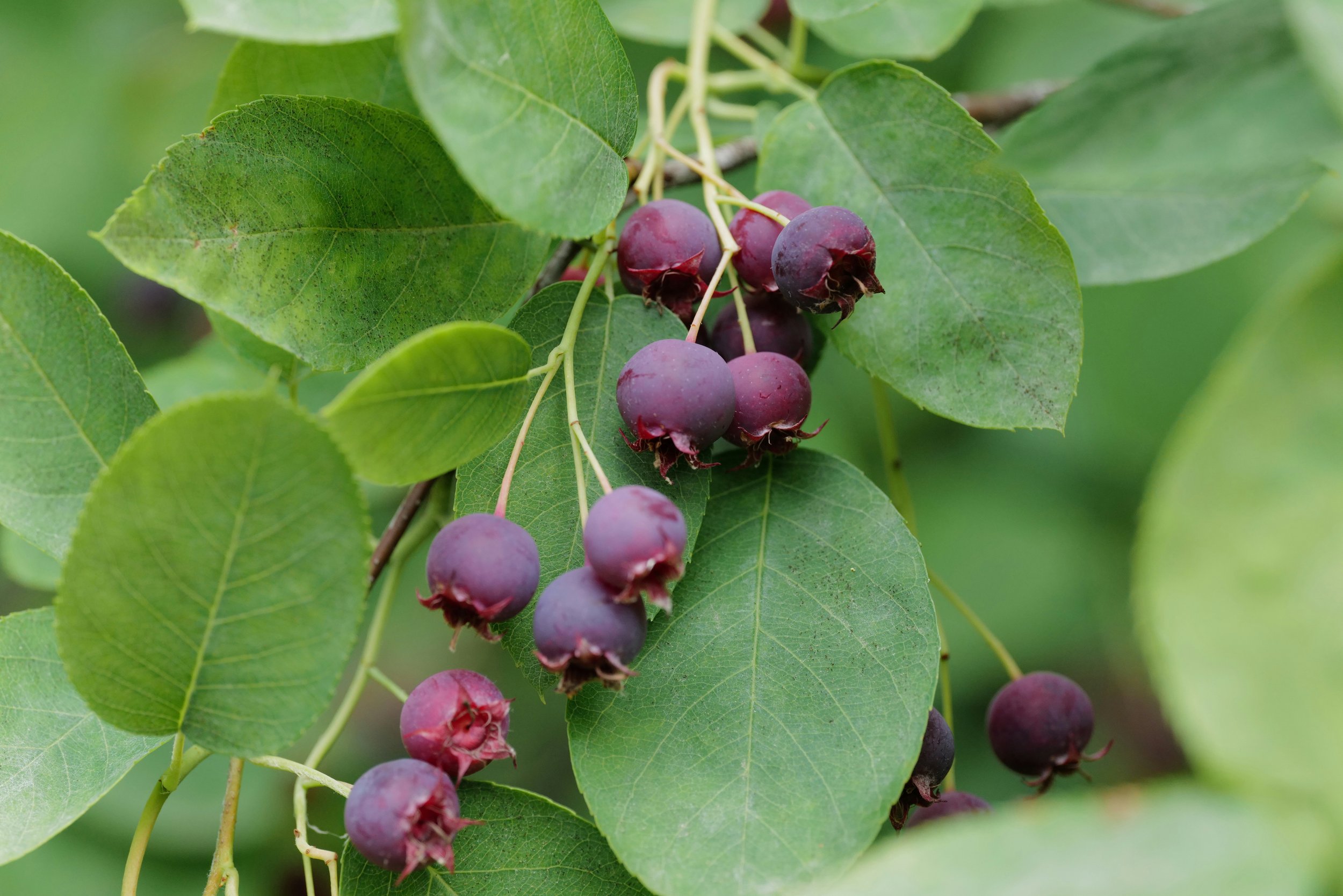
Serviceberry is one I love for small yards because it’s a beautiful small tree with edible fruit for humans and birds, and it offers early bloom that supports pollinators too. Dogwoods can be wonderful when they’re healthy and well-sited, and their berries feed birds in fall. Redbud is more of an early nectar and structure plant, but it’s a great “layer builder.”
Shrubs are where a lot of the bird magic happens. Viburnums, for example, are like a pantry. Elderberry is another powerhouse—fast-growing, generous, and full of bird use when it fruits. Beautyberry is almost comical in fall, those bright clusters that look like ornaments, and birds absolutely notice them. Hollies like winterberry offer fruit later in the season, when food sources get scarcer, and that timing matters. Shrubs like these are central in how to attract birds to your yard because they combine food and cover.
Then there are the plants that feed birds indirectly by feeding insects. This is where native trees and shrubs are quietly profound. Oaks, especially, support an astonishing amount of insect life. A mature oak is not just a tree; it’s an apartment building and grocery store and weather shelter all at once. You don’t plant an oak for instant gratification. You plant an oak because you’re building a legacy habitat.
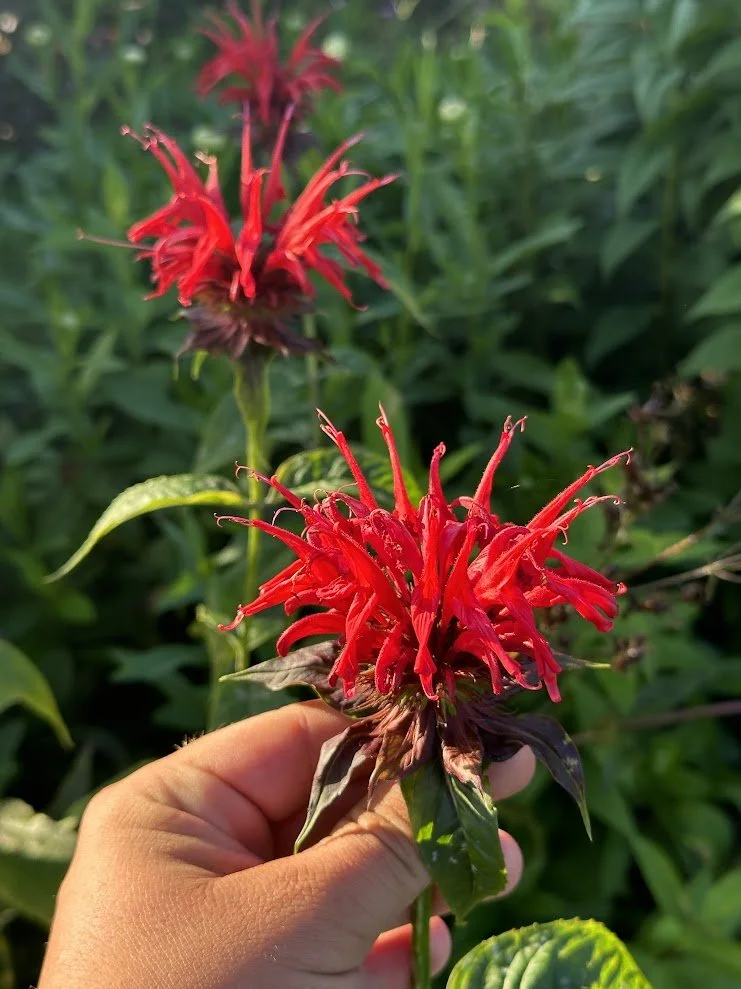
On the herbaceous side, you don’t need a complicated wildflower meadow to support birds. Even a simple mix of native plants for birds can go a long way here. A patch of coneflowers, black-eyed Susans, bee balm, and late-season asters and goldenrods does more than people realize. Seedheads in fall feed finches and sparrows. Flowering perennials support insects in summer. And leaving stems through winter creates shelter and sometimes overwintering habitat for beneficial insects, which then feeds birds again in spring.
Grasses deserve their own little love letter here. Native grasses are not just “ornamental.” They provide nesting material, cover, and seed. A clump of switchgrass or little bluestem is like a soft fortress for small birds. It also moves beautifully in wind, which doesn’t feed anything, but does feed your soul. It’s a small but meaningful part of how to attract birds to your yard in a way that actually supports them.
A story from the garden: the moment I stopped “cleaning up”
I used to be a much more compulsive cleaner in the garden. I thought a good gardener was someone who kept everything clipped and tidy, who removed every dead stem in fall, who made sure nothing looked “unkempt.”
And then I started paying closer attention.
I watched a little wren disappear into a brushy corner like it was a doorway. I watched goldfinches cling to seedheads in late fall, turning what I would have called “dead plants” into breakfast. I watched birds use old stems as perches and watchtowers. I watched the way a dense shrub breaks wind and gives birds a place to hide when danger crosses the sky.
Now I still like things to look cared for. I’m not advocating for chaos. But I’ve learned to keep a gardener’s version of tidy: clean edges, clear paths, intentional structure—and a willingness to let some life remain in winter.
One of the simplest bird-supporting things you can do is to delay your spring cleanup. When you leave stems and seedheads through winter, you’re feeding birds and protecting overwintering insects. When you cut everything to the ground in October because it looks “neat,” you’re removing habitat.
If you’re not ready to leave everything, choose a compromise: leave a section. Leave a corner. Leave the seedheads in the back bed and keep the front bed cleaner. Birds will still benefit.
Water matters more than people think
In summer, water can be the limiting factor. A birdbath is not just a nice touch—it’s a resource. But it needs to be kept clean, because standing water can turn into a health problem. If you’re going to offer water, offer it with care: freshen it regularly, keep it shallow, and place it where birds can retreat to cover quickly. If you’re thinking long-term about how to attract birds to your yard, trees like this are foundational.
In the heat of July and August, I often see birds using gardens more heavily if there’s reliable water. It changes their daily routes. It also increases the feeling of “life” in the yard in a way that’s hard to overstate.
Safety: the unglamorous part of bird gardening
If you want birds in your garden, it’s worth thinking about safety in a practical way. Reflective windows can be deadly—birds don’t see glass the way we do. If you’ve ever heard that sickening “thunk,” you know what I mean. Simple changes like decals or treatments can reduce collisions dramatically.
Cats are another reality. I’m not here to start a war with cat lovers. I just want to say plainly: outdoor cats and songbirds don’t mix. If you’re serious about a bird-friendly yard, keeping cats indoors or supervised is one of the most effective actions you can take.
And then there’s the chemical side. Broad-spectrum insecticides reduce the very insects birds rely on, and systemic products can ripple through the food web in ways we don’t always see. Gardening for birds often means accepting that you’re not trying to eliminate insects; you’re trying to keep balance. That’s a mindset shift, and once you make it, your garden becomes calmer. Fewer emergencies. More observation. More “let’s see what happens.”
How to start if you feel overwhelmed
If you want to make your yard more bird-supporting but you don’t want to redesign everything, start with structure. This is often the simplest way to approach how to attract birds to your yard without starting from scratch.
Add one small tree or large shrub that offers berries or strong branching. Add a couple dense shrubs for cover. Add a patch of native perennials and grasses you can leave standing into winter. Give the birds a layered place to live, and then watch what changes.
Bird gardening is one of those projects where the return on investment is emotional as much as ecological. A bird-rich yard feels like companionship. It’s what happens when plants that attract birds are given the space to actually function as habitat. It feels like the world is bigger than your to-do list. It reminds you that your garden is not just decoration—it’s habitat.
If you’d like help building a bird-supporting planting plan that fits your yard’s sun, soil, and maintenance tolerance—especially if you want something that looks intentional and “designed” while still functioning as habitat—schedule a consultation through the Unicorn Farm Nursery & Landscaping website. I’ll help you choose the right trees, shrubs, perennials, and grasses for Western North Carolina, and lay them out in a layered way that feeds, shelters, and supports birds through the seasons.
Warmly,
The Unicorn Farm Team