Shade Gardening Beyond Hostas: Ferns, Sedges, and the Joy of Green-on-Green
Dear friend,
If there’s one part of the garden where people in Western North Carolina tend to lose heart, it’s the shade. Not because shade is inherently difficult, but because it’s the place where our expectations are the most mismatched to reality—a situation that makes shade gardening such a unique challenge. We want bright color and big blooms in a corner that’s basically asking for quiet texture, steady greens, and that slow, satisfying feeling of a woodland floor coming together.
I can’t tell you how many times someone has walked me to the “problem bed” and said, “Nothing grows here,” while standing under a mature oak with a canopy that has been happily growing everything for a hundred years—just not the things you’d plant in a blazing sunny border. Usually I see a few scorched hostas, a pachysandra patch that looks tired, maybe some mulch that’s doing its best to pretend it’s soil. Sometimes there’s a hydrangea that’s hanging on out of stubbornness, and more often than not, there’s some deer browsing that has turned the whole thing into a repeated tragedy.
Hostas are fine plants. I’m not here to speak ill of them. They’re lush, they’re easy, they’re satisfying. But in Western North Carolina, hostas are also a deer magnet and a bit of a cultural crutch—like we collectively decided shade gardening begins and ends with “big green leaves in a clump.” The truth is shade gardening can be the most beautiful kind of gardening you do, and it doesn’t have to feel like a compromise. It just requires a different way of seeing.
Shade is not “less.” Shade is its own climate.
And once you accept that, you can start building a garden that looks like it belongs there—cool, layered, calming, and alive with subtlety. The kind of bed that still looks good in August when full-sun borders are sweating and sulking.
Let’s talk about the real secret: green-on-green.
Shade Gardening Basics: Understanding Light and Soil for Success
The moment you stop chasing flowers, shade starts working
A lot of gardeners think shade equals “not enough bloom,” and sure—shade beds are rarely a nonstop parade of flowers. But they are a parade of textures. Fronds unfurling, blades arching, glossy leaves catching rain like little cups, that soft matte look of woodland plants that seem to glow when the light is low.
Green-on-green is a cornerstone of sophisticated shade gardening—a design approach that looks simple until you see the subtle contrasts at work. Then it feels like walking into a cathedral. The drama isn’t in bright color; it’s in contrast—fine texture against broad leaves, upright forms against mounding forms, shiny against dull, evergreen against deciduous. In shade, the smallest differences matter. A fern with a silver cast. A sedge that looks like it’s poured in place. A heuchera leaf that’s just a shade darker, like wet stone.
The best shade beds are built like a forest: layers, repetition, and a ground plane that looks intentional rather than “left alone.”
First: learn what kind of shade you have (because “shade” isn’t one thing)
When someone tells me they have shade, I immediately want to know what kind. Not philosophically—practically. Shade can be gentle or brutal, moist or dry, sheltered or windy. The plant palette changes based on those conditions more than based on how many hours of sun you get.
Here in WNC, the most common types are:
Dappled shade under deciduous trees, especially where morning sun slips through. This is the “easy” shade. A lot of plants will take it.
Deep shade on the north side of buildings or under dense evergreens. This is where you lean hard into foliage plants and accept that bloom will be sparse.
Dry shade under mature trees with thirsty roots—oaks are famous for this. It’s not just shade; it’s competition. The soil can look rich on top and still be bone dry two inches down.
Moist shade near a downspout, at the bottom of a slope, or in those cool pockets where soil stays damp longer. This is fern heaven if the drainage is decent.
If you want your shade bed to stop being a struggle, you match your shade garden plants to this reality, not to the dream you saw on a glossy magazine page from somewhere with gentle loam and polite deer.
Second: stop trying to “improve” shade soil like it’s a vegetable garden
This is where people accidentally harm their trees. They dig deep, chop roots, and try to fully replace the soil. In shade—especially under mature trees—you’re better off thinking like a forest: build soil from the top down.
If you do nothing else, do this: add a thin layer of compost and then a generous layer of leaf mold or shredded leaves, and let it become soil over time. You don’t need to bury the tree roots. You don’t need to excavate. You’re creating a “woodland duff” layer, the thing the forest makes naturally. It holds moisture, buffers temperature, and gives your shade plants the kind of root zone they understand.
And here’s the part that feels like a magic trick: once you get that top layer right, shade beds become easier to water. Not because they need less water, but because the soil holds moisture more evenly. That steady moisture is what most woodland plants crave.

Now for the fun part: ferns, sedges, and friends
I want you to picture a shade garden like a piece of music. You need a bass line, you need rhythm, you need little flourishes. Ferns are your flourishes. Sedges are your rhythm. A few broadleaf perennials are the bass notes that anchor the whole thing.
Ferns are the first thing I reach for in shade gardening because they immediately tell the truth: ‘Yes, this is a woodland bed.” They also give you that unfurling spring drama that flowers usually provide in sunny beds. In our region, there are a handful that perform reliably in gardens without feeling fussy.
Christmas fern is an easy evergreen backbone in part shade and even dry shade once established. It’s not huge, but it has dignity—tidy fronds that make the bed look alive in winter when everything else is asleep. Lady fern is softer and more feathery, and it loves consistent moisture. Cinnamon fern and ostrich fern bring size and presence, but they want that moist, rich woodland soil—if you’ve got a cool pocket, they can make it feel like you’ve stepped into a ravine.
Ferns are also a cheat code for green-on-green because they’re texture machines. Even in a mostly green palette, a fern reads as a different color because the light hits it differently. It looks like movement even when it’s still.
Sedges are the unsung heroes of shade gardening. Not the big, aggressive “carex that takes over the world” kind—though those exist—but the gentle, arching sedges that behave like a soft groundcover or a loose, woodland lawn. In shade, sedges do something grasses often refuse to do: they look good without full sun.
Dry shade plants like Pennsylvania sedge are a classic choice. They make a low, fine-textured mat that feels natural and calm. Appalachian sedges do the same kind of work. You can plant them in drifts, and suddenly the bed has a base layer that looks intentional instead of patchy. Sedges also play well with spring ephemerals and woodland perennials because they don’t smother them the way some groundcovers can.
Then you want a few broadleaf perennials for shade gardens—plants that give you that solid, satisfying leaf shape that hostas do, but with a wider range of textures and better deer resilience in many cases.
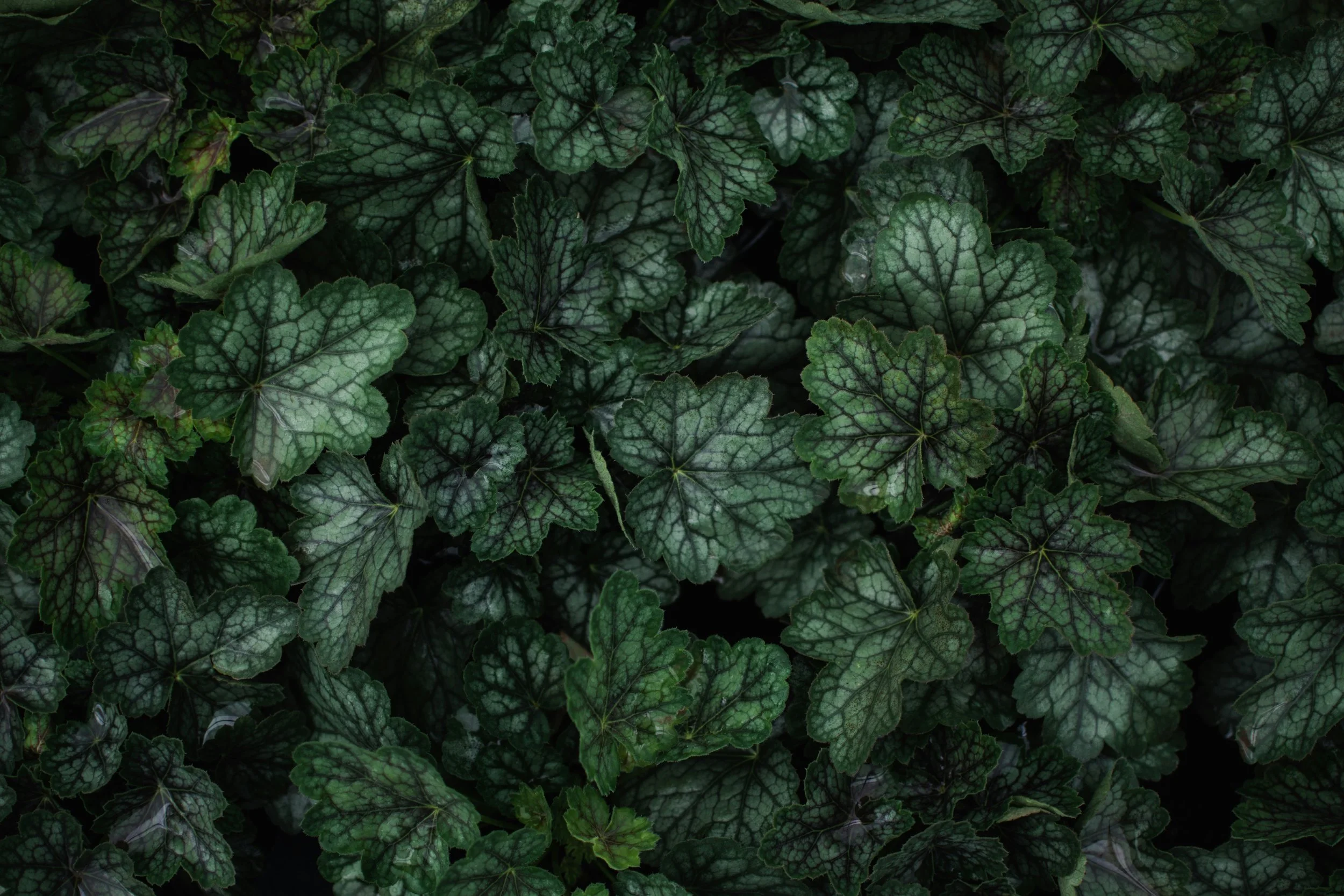
Heuchera is one of my favorite perennials for shade gardens in WNC because it’s adaptable and gives you color without relying on flowers. Some varieties have that smoky purple, some have lime green, some look like rusted copper. Even if you stick to green varieties, the leaf shape and veining add richness.
Foamflower is another gem. It makes a soft groundcover with spring bloom that feels like a bonus rather than the main event. Green-and-gold does similar work—low, cheerful, and surprisingly tough once established, especially in that bright shade where it gets morning sun.
Wild ginger is the kind of plant that makes you feel like you’re gardening with the forest rather than against it. It’s not flashy. It’s just… right. It covers soil, it holds space, and it looks beautiful in rain.
And then there are the “bridge plants,” the ones that tolerate shade but can also handle a bit more light. Solomon’s seal does this beautifully, arching stems that feel elegant and wild. Some woodland asters are standout shade garden plants, handling shade while bringing late-season bloom—a gift in a bed that’s mostly foliage.
How to make green-on-green feel designed, not accidental
This is the part I wish more people heard: the difference between a gorgeous shade bed and a messy one is rarely plant choice alone. It’s pattern.
In effective shade gardening, pattern and repetition are key. You don’t want one fern here, one sedge there, one random plant you grabbed because it was on sale. You want drifts. You want little colonies. You want the bed to look like it has an internal logic, the way a forest does.
A simple way to do this is to choose a small handful of “workhorse” plants for your conditions—say a fern, a sedge, and a groundcover—and repeat them in a rhythm. Then you can add a few accent plants as punctuation. A clump of hellebores near the path for winter interest. A big hydrangea or spicebush where you want height. A boulder, a log, a little curve in the edge that makes the bed feel like it belongs rather than like it was drawn with a ruler.
A simple shade garden idea is to pay attention to edges. If you want a woodland bed to look intentional in a neighborhood yard, give it a clean edge. You can let the interior be lush and a little wild, but keep the boundary clear. That single move can make a shade bed look “designed” even when it’s full of plants that look like they wandered in from the woods.
What about deer? (Because we can’t pretend they’re not part of this)
In shade gardening, deer pressure is a reality to plan for—choosing plants that tolerate nibbling can make all the difference. Hostas are basically an engraved invitation. Some ferns are deer-resistant simply because deer don’t like the texture. Many sedges are not their first choice. Hellebores are often left alone. Aromatic plants, tough leaves, and plants that aren’t tender and juicy tend to fare better.
But I’ll be honest with you: if deer pressure is high, the best thing you can do is protect your plants in the first season while they establish. A young plant is more tempting, and it has less stored energy to recover. Once a fern or sedge is established, it can handle a little nibbling. When it’s a baby, it can’t.
And if you do nothing else, you can make your shade bed more deer-resilient by leaning into plants that don’t offer that soft, watery leaf texture deer love. It won’t be perfect. It will be better.
The real joy of shade is that it teaches you to slow down
Full-sun gardening can feel like constant management—deadheading, watering, staking, fighting the heat. Shade gardening is quieter. It rewards patience. It invites you to notice small changes: the way a fern frond uncurls like a fiddlehead promise, the way the soil smells under leaf mulch, the way the greens deepen after rain.
And maybe that’s the best part: a shade garden can feel like a refuge, not just for plants, but for you.
If you’ve struggled with your shade garden and want to elevate your shade gardening practice, schedule a consultation through the Unicorn Farm Nursery & Landscaping website. I’ll help you read the site conditions, choose a palette that actually fits your shade type, and design a green-on-green bed that looks intentional, lush, and distinctly at home in Western North Carolina.
Warmly,
The Unicorn Farm Team