How to Protect Plants from Frost: Rapid Response Triage for Frost and Hail Damage
Dear friend,
There are a couple sounds that make a gardener’s stomach drop before your brain even catches up. One is the hollow clatter of hail on metal. The other is that quiet, sharp cold that shows up on a clear night in April—when the day was warm enough to make you forget you live in the Blue Ridge Mountains, and the evening air suddenly feels like it stepped out of winter’s back door.
If you’ve been there, you know the temptation: fix everything immediately. Cut it all back, feed it, “help it recover.” But the best triage after frost or hail is surprisingly similar to the best triage after anything: pause, assess, stabilize, then act with intention. Knowing how to protect plants from frost ahead of time can save you from this scramble.
Let’s talk through what actually happened to your plants, what to do in the first 24 hours, what to do in the first week, and what to leave alone—because a lot of the damage we “see” right after a weather event is not the damage the plant will end up with.
What frost and hail really do (and why they look so dramatic)
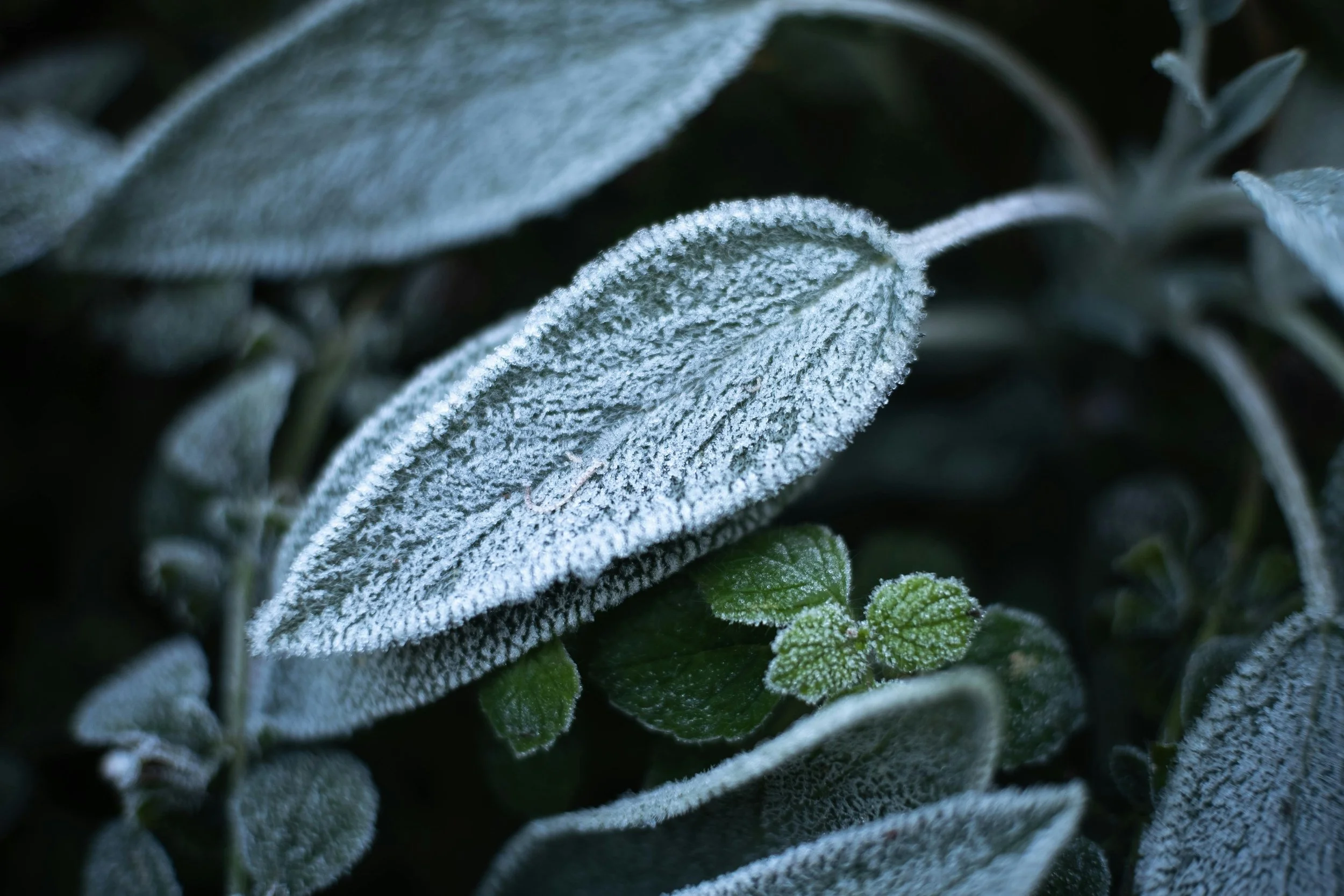
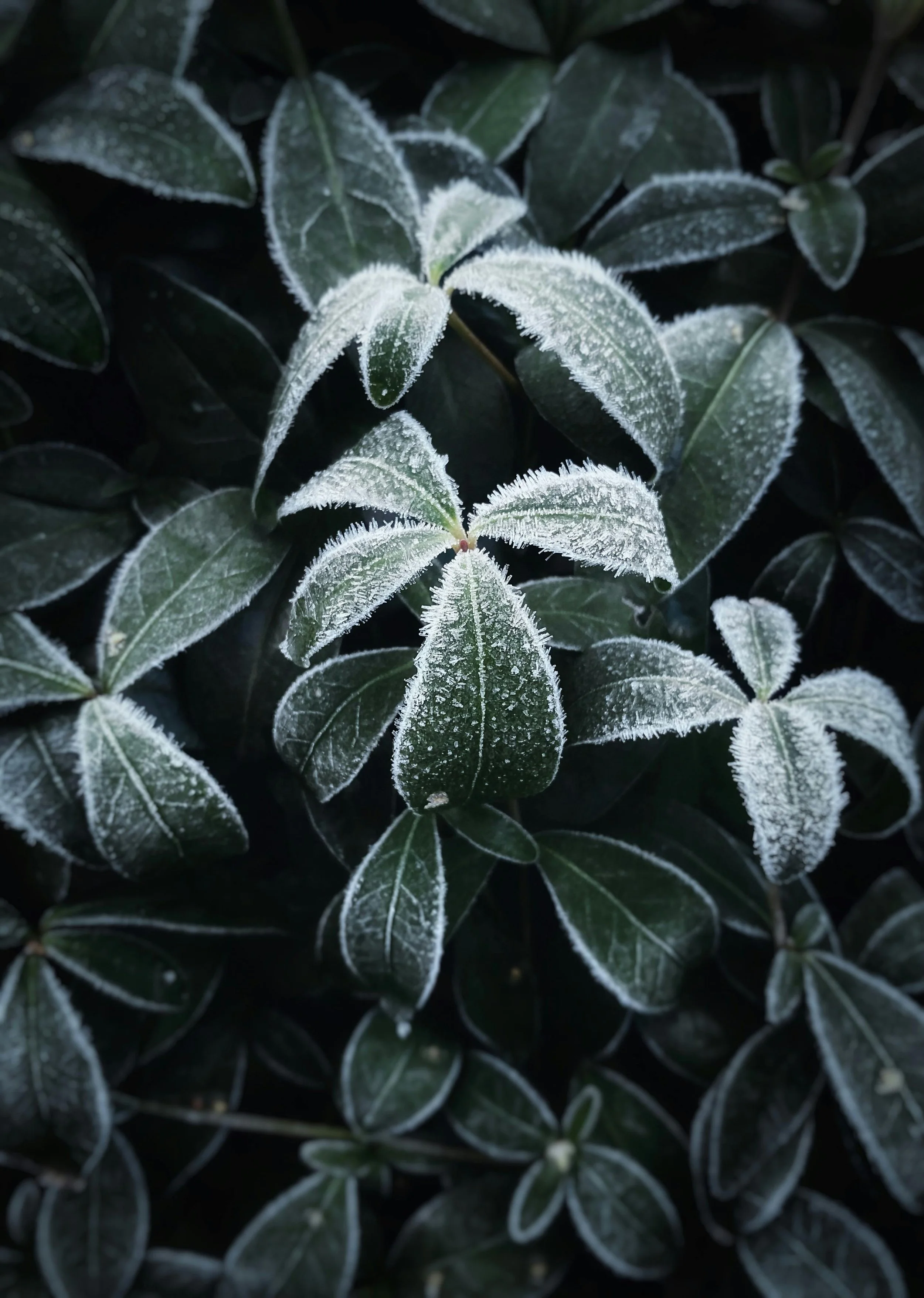
Frost damage is mostly a cell problem. Plant cells are basically little water balloons with a lot of dissolved sugars, salts, and proteins inside. When temperatures drop low enough, ice forms—sometimes on the surface first, sometimes inside tissues. If ice crystals form inside the cells, they can rupture the cell walls. If ice forms between cells, it can pull water out and dehydrate the tissue. Either way, you end up with leaf tissue that turns dark, translucent, or limp, often within hours.
Hail damaged plants suffer structural injuries. Hail tears leaves, bruises stems, knocks flowers off, and makes little entry points where disease organisms love to move in later. Hail can be “cosmetic” on established perennials and shrubs, but it can be truly stressful on tender annuals and young transplants because they don’t have the stored reserves to rebuild quickly.
The tricky part is that frost damaged plants don’t show the full story immediately. A leaf that looks wrecked might still be doing some photosynthesis. A stem that looks fine might be bruised and collapse later. Your job as a gardener is not to win a beauty contest the morning after a storm. Your job is to help the plant keep enough functional tissue to keep moving forward. One way to avoid these surprises is to know how to protect plants from frost, so fewer plants enter this precarious stage in the first place.
Practical Steps on How to Protect Plants from Frost
First rule of triage: don’t confuse ugliness with emergency
Here’s the question I ask myself right away:
Is the plant in danger of dying, or is it just in danger of looking terrible for a few weeks?
Most established landscape plants—woody shrubs, perennials with established crowns, trees—are usually in the second category. They look rough, but they’re not doomed.
The plants that actually flirt with death after a cold snap or hail event are usually:
Tender annuals and vegetables (especially anything recently planted out)
Freshly emerged new growth on woody plants (the “soft” stage)
Container plants (because pots swing temperature fast)
New transplants with limited root establishment
So triage starts by sorting your garden into three piles in your mind:
Tender + new (needs attention)
Established but ugly (mostly monitor)
Woody structure compromised (rare, but worth careful inspection)
Now, let’s get practical.
The first 24 hours: stabilize the situation
1) Wait for the thaw before you touch anything.
If frost hit, don’t rush out at 7 a.m. when everything is still stiff. Frozen plant tissue is brittle. You can turn recoverable tissue into broken tissue just by handling it. Give it time to thaw completely.
2) Water (yes, water), but don’t drown.
People sometimes skip watering after a cold snap because “it’s cold, it must be wet.” But wind + cold can dry out leaves and stems, and frost damaged plants or hail-hit foliage can lose water faster afterward. If your soil is dry two inches down, a calm, thorough watering helps the roots keep supplying what the plant needs to recover.
If the soil is already saturated—hello, WNC clay pockets—then skip it. We’re stabilizing, not creating root rot.
3) Cover only if there’s a second hit coming.
If the forecast says another frost night is likely, cover tender plants before the temperature drops. This is a key step in how to protect plants from frost effectively. Use frost cloth, an old sheet, or even an upside-down bucket for small plants—just don’t seal them in plastic touching the leaves. Plastic conducts cold and can make it worse where it contacts tissue. If you must use plastic, create a little tent frame so it doesn’t rest on foliage.
4) For vegetables: support the survivors.
If you have tomatoes or cucurbits out early (and plenty of folks do when we get those warm April teases), the biggest question is whether the growing tip is alive. If the top is black, mushy, or collapsed, that plant may not bounce back the way you want. But if the tip is intact and only outer leaves are damaged, your job is simply to keep it from being stressed further: steady moisture, a little wind protection, and patience. Even with careful attention, frost damaged tomato plants may need extra monitoring over the next few days to ensure they recover fully.
The first week: do the “clean cuts,” but don’t scalp the patient
This is where most well-meaning gardeners accidentally make the damage worse. The instinct is to prune everything back to “fresh green.” But after frost and hail, that ragged foliage can still act as a temporary solar panel while the plant reorganizes.
So I use a gentle approach:
Step one: remove only what is clearly dead and collapsing.
Leaves that are black, slimy, or fully mushy—especially on tender annuals—are not doing you favors. They invite fungus and rot. Snip those away.
But leaves that are torn or bruised and still mostly green? Leave some. The plant can still use them. Knowing how to protect plants from frost can reduce the number of tender leaves that reach this stage.
Step two: cut back to a decision point.
On perennials, find a node, a basal rosette, a new side shoot, or healthy crown growth. Make clean cuts just above something that can grow. “Random haircut pruning” creates more stress.
Step three: for shrubs, delay major pruning until you see what pushes.
This is the hardest advice to follow because damaged shrub growth looks awful—hydrangea leaves shredded like confetti, azalea tips browned, rose canes whipped around. But woody plants often have viable buds below damaged tissue. If you prune too early, you can remove buds that would have saved the season’s structure.
Give shrubs 7–14 days. Let them declare what’s alive. Keep an eye on any hail damaged plants among them, as stressed buds may take longer to reveal healthy growth.
Disease prevention after hail: the invisible follow-up storm
Hail is basically a thousand tiny wounds. In our humidity, wounds are invitations. Understanding how to protect plants from frost can help plants withstand both cold snaps and these secondary stresses more effectively.
The best disease prevention isn’t a spray bottle—it’s airflow and sanitation.
Pick up heavily diseased debris if you already have fungal issues in that bed.
Thin crowded annuals a little (especially vegetables) so leaves dry faster.
Avoid overhead watering late in the day for the next week if possible.
On tomatoes: if hail shredded lower leaves, this is actually a good moment to begin your normal tomato hygiene—keeping foliage off the soil line, encouraging airflow, and preventing splash-up. The same approach applies to frost damaged tomato plants, which benefit from gentle care rather than aggressive pruning. You don’t need to strip the plant bare. You do want to avoid a jungle at ground level.
If you’re the kind of gardener who uses organic preventatives (like copper, biologicals, or bicarbonate-based products), the best time is usually after you’ve removed the worst damaged tissue and the plant has had a day or two to stabilize. Spraying stressed plants aggressively right after injury can add another layer of stress. Think supportive, not punitive.
Fertilizer: the “kindness” that backfires
After a storm, it feels compassionate to feed plants. But pushing fresh, tender growth immediately after a cold snap can set you up for more damage if another frost hits—and in April, that’s not paranoia, that’s just living here. Planning ahead and knowing how to protect plants from frost is often more effective than reacting with fertilizer.
If the plant is in a container and clearly needs nutrition, use a gentle, balanced feed—lightly. But for most landscape plants and beds, the better move is to make sure moisture is steady and let the plant use its stored reserves to re-leaf.
If you want to do something “nutritional” that is rarely a mistake: topdress with compost once things dry out. Compost supports soil biology and gives a slow trickle of nutrients without forcing a sprint.
How to tell if a plant will rebound (and when to replace it)
Here’s the truth I wish more people heard: some plants are worth nursing back, and some are worth replacing. Replacement is not failure. Sometimes replacement is the most rational use of your time and emotional energy.
I replace sooner when:
The plant is a warm-season annual and it’s early enough to start over
The growing tip is dead and the plant’s architecture will be permanently compromised
The plant was already struggling before the storm (stressed plants recover poorly)
The plant is a vegetable where timing matters (a stunted cucumber in May is a short summer)
I nurse back when:
It’s a perennial crown plant (it often rebounds even if the top looks awful)
It’s a woody shrub that can re-bud from lower nodes
It’s a young tree or shrub where structure matters more than one season of leaves
The plant is rare, sentimental, or hard to replace
The hidden hero: your microclimates
One of the most useful things you can do after a frost night is walk your property and notice where the damage hit hardest. That’s your property teaching you.
Cold air flows downhill like water and pools in low spots. Areas near pavement, stone walls, or the south side of a building often stay warmer. Observing these spots can help you plan for how to protect plants from frost next year. A bed under high tree canopy may have less frost. A raised bed might freeze harder if it’s exposed to wind.
Make a little note for next year:
“This corner frosts last.”
“The mailbox bed gets wind.”
“The back fence line is a cold sink.”
A calm plan for the rest of April
If you’re feeling behind because weather slapped your plans around, here’s what I’d do:
Keep planting cool-season things with confidence—greens, peas, brassicas, hardy annuals. For warm-season, plant in waves. Don’t bet your whole summer on one early weekend that felt like June.
And if you lost a few tender plants? Let it sting for a minute, then remember: gardening is not about never getting hit. Gardening is about continuing after you do.
If you’d like a second set of eyes on what’s truly damaged versus what just looks rough—especially if you’re making decisions about shrubs, young trees, or a vegetable bed you’re counting on—schedule a consultation through the Unicorn Farm Nursery & Landscaping website. I’ll help you triage fast, replant strategically, and share tips on how to protect plants from frost, setting things up so the next weird April doesn’t knock you off your feet.
Warmly,
The Unicorn Farm Team