Spring Ephemerals: Designing a Woodland Garden That Peaks Before the Canopy Closes
Dear friend,
There is a short window in early spring when the woods are full of light.
Before the trees leaf out, sunlight pours down to the forest floor, and a whole world wakes up quickly—flowers that bloom, set seed, and retreat before the canopy turns the ground into shade again. These are spring ephemerals, and they are one of the most beautiful reminders I know that “shade gardens” aren’t dull. They’re simply timed differently.
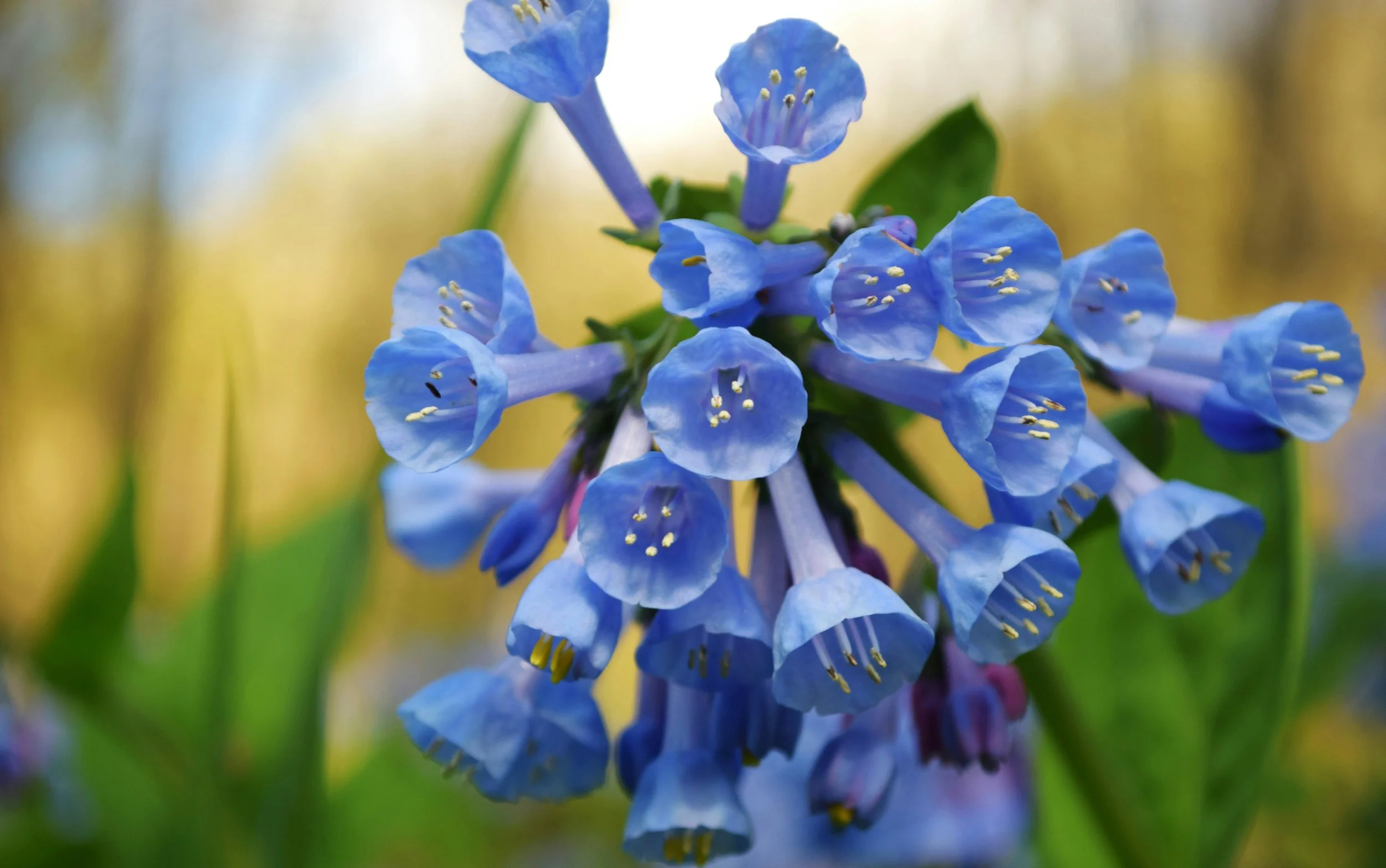
If you’ve ever walked a trail in March or early April and suddenly noticed trillium, bloodroot, or trout lily sprinkled through leaf litter like small lanterns, you’ve felt the charm of ephemerals. They don’t shout. They appear, do their work, and fade. And because they’re brief, they invite attention.
Designing with spring ephemerals is less like planting a flower bed and more like composing a seasonal moment. You’re creating a spring scene that peaks early—before the canopy closes—then transitions into the calm greens of ferns, sedges, and shade-loving perennials that carry the rest of the year. A well-planned shade garden design helps the garden evolve gracefully from spring bloom to summer greenery.
In our region, woodland gardens thrive when we stop trying to “improve” them into something they’re not. The natural soil structure under trees is often leaf-driven: layers of decomposing organic matter, fungal networks, and a moisture rhythm that’s different from open sun beds. Many spring ephemerals want that. They want humus. They want drainage that still holds moisture. They want the protection of leaf litter. They want the seasonal timing of a forest.
This is why sourcing matters so much with ephemerals. Many of these plants are slow-growing and sensitive to disturbance. They should never be dug from the wild. If you want them, buy from reputable nurseries that propagate them, or source from growers who cultivate woodland natives responsibly. Patience is part of the ethical bargain. The woodland is not a place for shortcuts.
Once you have plants, the next question is placement. Woodland spring ephemerals often do best in deciduous shade—under hardwoods where winter and early spring light can reach the ground. Deep evergreen shade can be too dark. Heavy root competition from certain trees can also make establishment harder. A little observation goes a long way here: where does spring light land, and for how long? Where does moisture linger without becoming soggy? Where does leaf litter naturally collect?
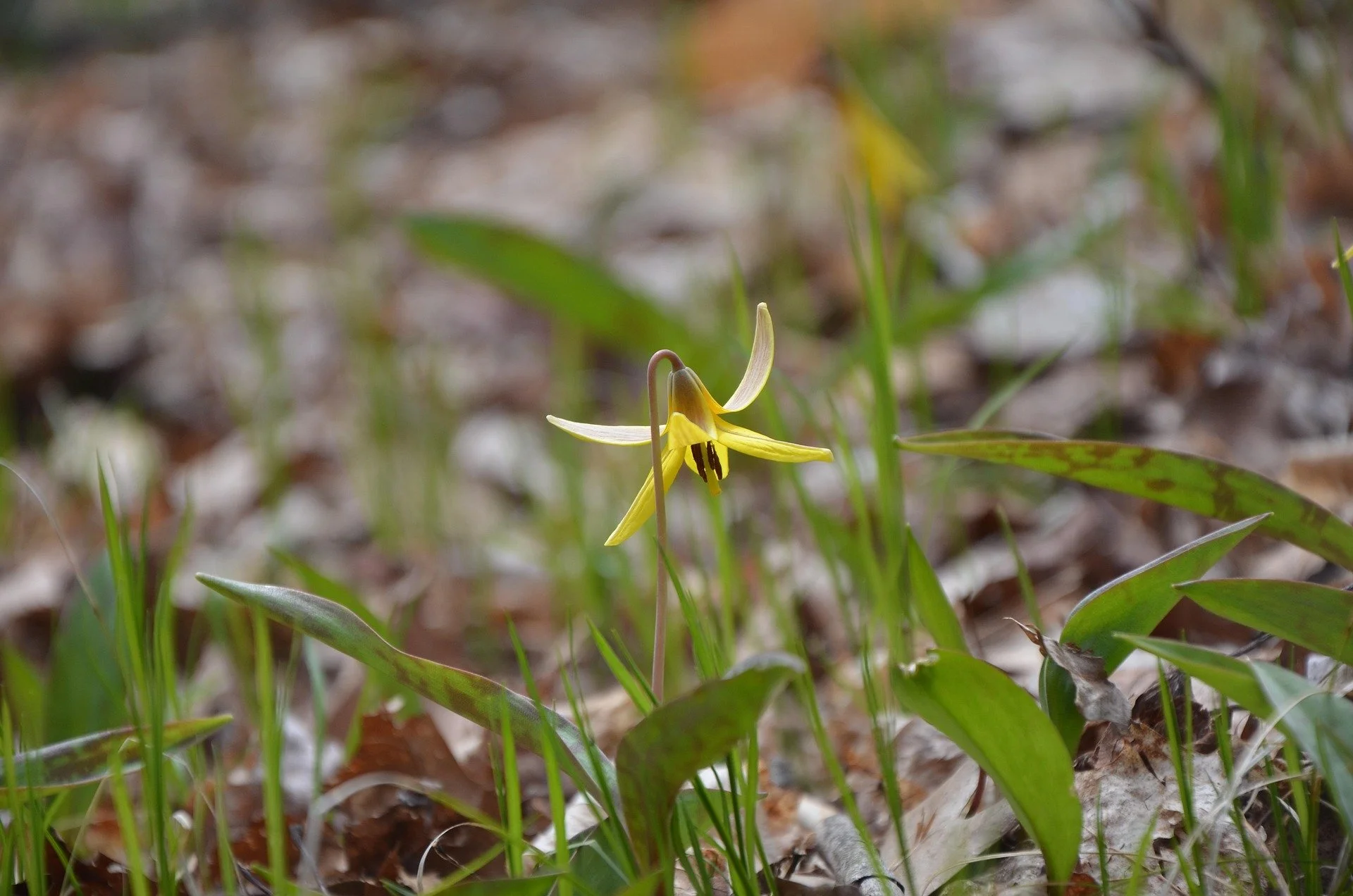
A woodland garden is also a garden of texture. Spring ephemerals often have exquisite foliage even when they’re not blooming—mottled leaves, delicate forms, quiet architecture. If you design only for flowers, you’ll miss half the beauty. Designing a woodland garden thoughtfully means considering both the seasonal show and the long-term structure of the understory. The aim is to create a layered understory: ephemerals as the early sparkle; ferns and sedges as the long green; and a few structural shade perennials that hold space as the season progresses.
And perhaps the most important thing: don’t over-clean. Woodland plants evolved with leaf litter. Leaves insulate soil, feed microbes, and protect crowns from freeze-thaw cycles. If you strip the woodland floor bare every fall, you’re removing the system that supports these plants. A woodland garden doesn’t need to look messy, but it does need to look like it belongs.
There’s a gentle wisdom in growing spring ephemerals: you learn to celebrate brief beauty without trying to force it to last. You learn to accept that some seasons are meant to be fleeting. And if you pair that spring show with summer-long shade structure—ferns, native grasses and sedges, and other understory companions—you end up with a garden that feels like a true extension of the surrounding landscape, not a separate thing imposed upon it.
If you’d like help designing a woodland bed—selecting ethical sources, matching species to your site, and planning a layered understory that carries beauty from March through winter—visit our website to schedule a consultation. We’ll build a shade garden that feels natural, intentional, and unmistakably at home in the Blue Ridge.