Seed Starting Set Up: Sanitizing Trays, Mixing Media, and Preventing Damping-Off
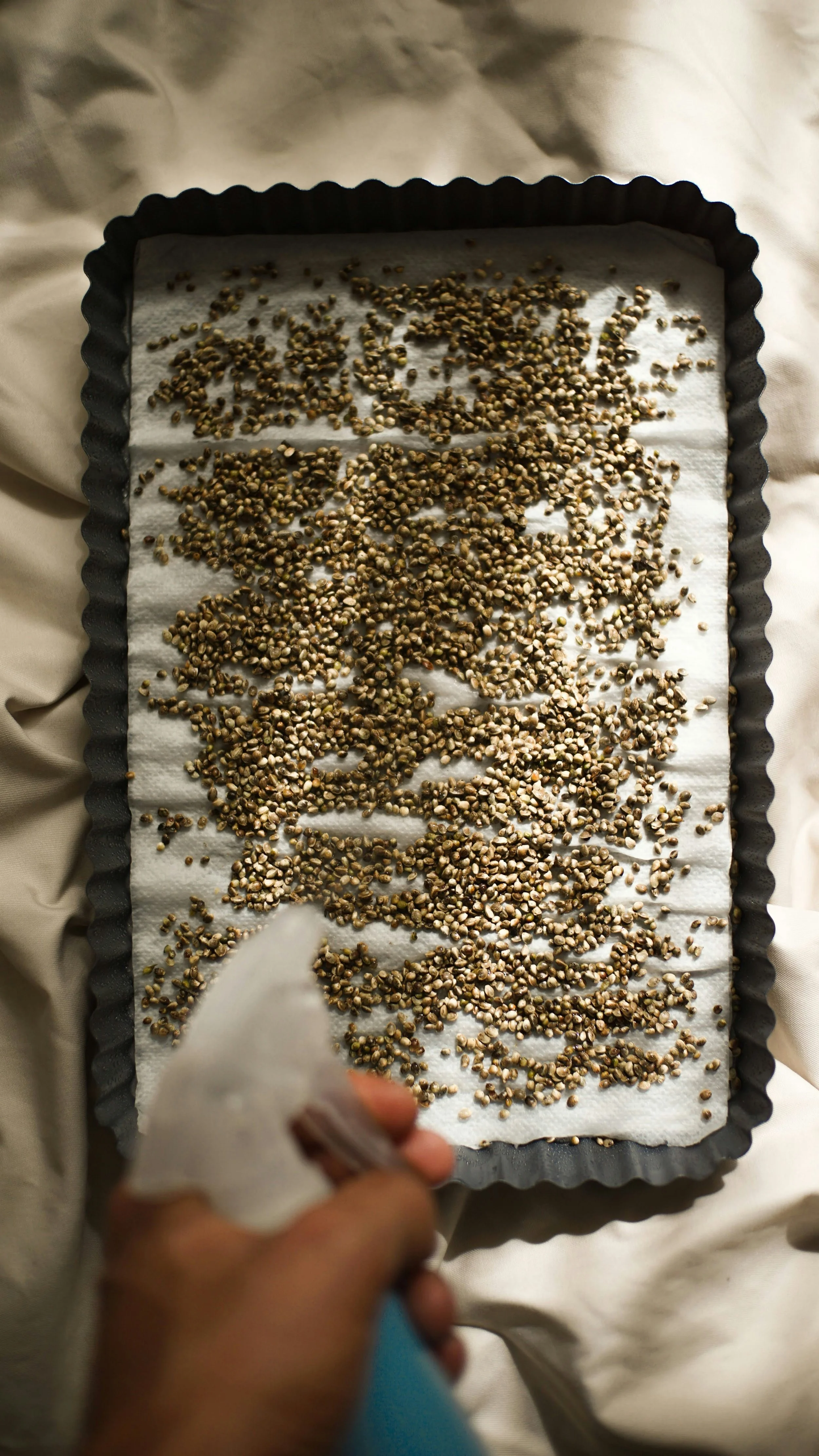
Dear friend,
February is when hope starts to show up in practical ways. The catalogs are still on the table, the nights are still cold, but your hands want work. And this is the moment when the season quietly succeeds or fails—long before a single tomato is planted outside. Having a solid seed starting set up now can make all the difference.
I’m talking about the invisible part: sanitation, seed-starting media, and the early conditions that determine whether seedlings come up strong… or collapse in that heartbreaking, inexplicable way gardeners call damping-off.
Damping-off seedlings is one of those problems that makes people blame themselves. The seedlings look fine one day, and the next day they’re pinched at the soil line, folded over like a straw, or melted into the surface. It feels personal. It isn’t. It’s biology meeting opportunity.
The opportunity in an unbalanced seed starting set up usually looks like this: warm, moist conditions; stagnant air; and a surface environment that stays continuously wet. Add a little contamination—old potting mix, dirty trays, a reused flat carrying last year’s fungal hitchhikers—and you’ve created a perfect nursery for the pathogens that cause damping-off.
The reason I’m bringing this up now is that the fix is rarely “a product.” The fix is almost always a system. And the good news is that the system is simple once you understand what seedlings need most: clean surfaces, stable moisture, oxygen at the root zone, and air movement around the stems.
If you’re reusing trays, start with cleaning that’s honest, not symbolic. Every seed starting set up should include a plan for clean trays and tools. A quick rinse is not cleaning—it’s just moving the dirt around. Scrub off organic residue first (that’s where microbes hide), then disinfect. People use different disinfectants depending on preference and comfort level, but the principle is the same: remove debris, then sanitize. Afterward, let the trays dry. Drying matters, because many organisms don’t thrive in dry conditions.
Your tools deserve the same respect. Snips, dibbles, soil scoops, even the surface you’re potting on can carry problems forward. You don’t have to be obsessive, but you do want to be consistent. The goal isn’t sterility—it’s lowering the pathogen load so seedlings can establish before they have to compete.
The next piece in a successful seed starting set up is the media—meaning the seed-starting mix itself. This isn’t just “dirt.” A good seed-starting medium balances water-holding capacity with air space. Seedlings need moisture, yes, but they also need oxygen. Roots breathe. If the mix stays waterlogged, roots suffocate and plants become vulnerable—conditions that commonly lead to seedlings damping-off. Overwatering is often less about too much water at once and more about too little oxygen over time.
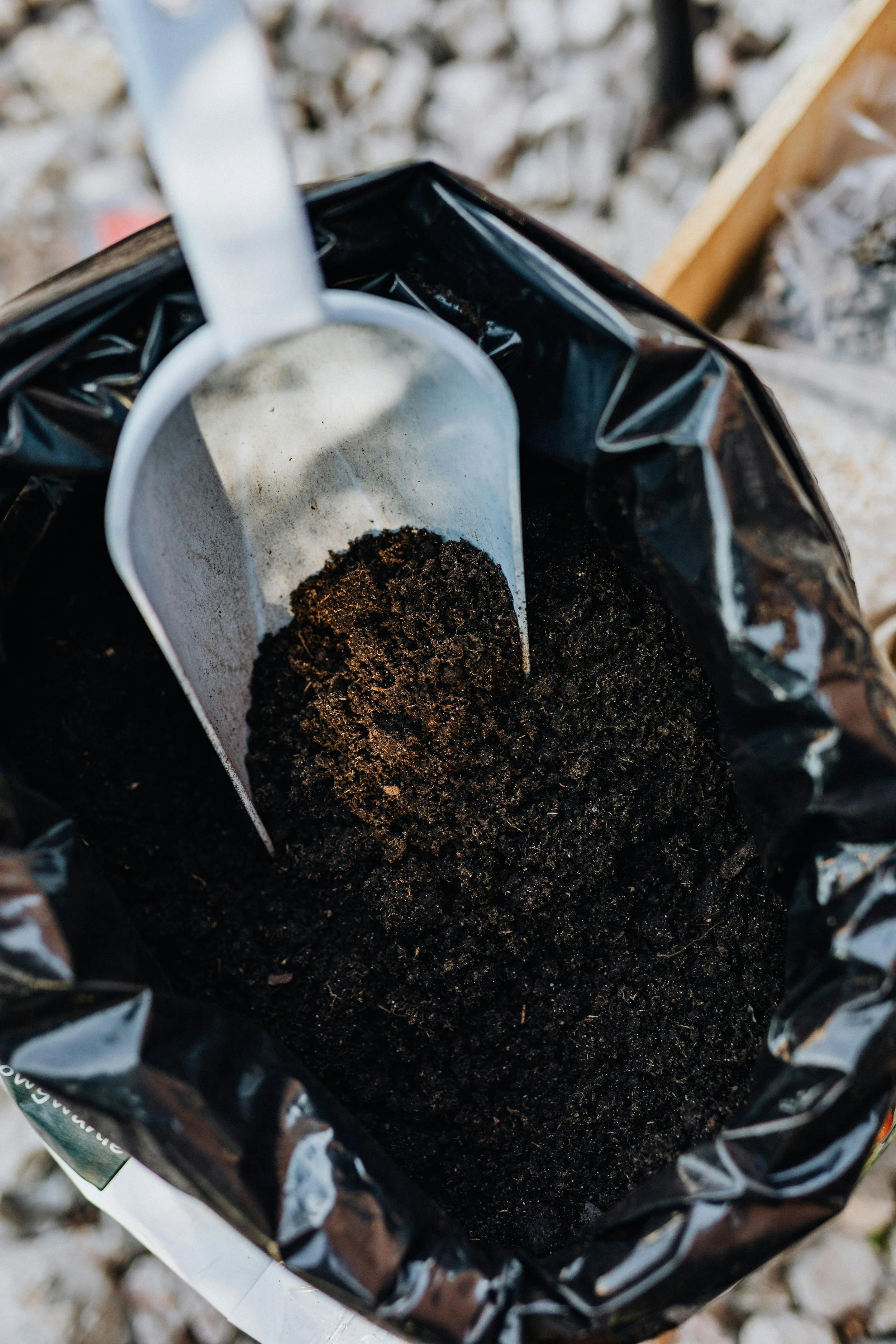
I like to pre-moisten seed-starting mix before filling trays. Not soggy—just evenly damp, like a wrung-out sponge. Pre-moistening prevents dry pockets that repel water and reduces the temptation to flood trays after sowing. It also helps you fill cells evenly without compacting the mix. Compaction is another quiet enemy. Seedlings don’t need firm soil; they need structure—and structure includes pores.
Once seeds are sown, the biggest mistake I see is loving them too hard—keeping the surface constantly wet “just in case.” A glistening surface invites fungal growth. You want consistent moisture in the root zone, not a swamp at the stem. Bottom watering after germination helps with this by keeping the surface drier while encouraging roots to grow downward.
Airflow is the third piece that often gets overlooked in a seed starting set up. Think of it as the third leg of the system, alongside moisture and media. Seedlings grown in still air are weaker, more vulnerable, and more prone to fungal issues. A gentle fan—gentle enough that leaves barely move—can make a remarkable difference. It reduces surface moisture duration, strengthens stems, and makes the environment less welcoming to problems. Damping-off seedlings is one of the most common consequences when airflow is missing from the equation. In our region, where spring humidity arrives early, airflow is an old friend.
Temperature matters too, but in a nuanced way. Warmth can speed germination, but warmth without airflow can also speed trouble. In a well-planned seed starting set up, heat mats are useful tools, but many growers leave them on too long, creating a constant warm-wet environment that favors pathogens. Once seeds germinate, many seedlings do better slightly cooler, with good light and air movement. The goal isn’t tropical comfort—it’s sturdy growth.
Light is another quiet factor at this stage. Weak light creates weak seedlings, and weak seedlings are more susceptible to disease. A bright window may feel adequate to a human, but for seedlings it’s often not enough. Supplemental light, kept reasonably close and on a steady schedule, is often the difference between limp growth and compact, resilient plants. Consistency matters more than heroic intensity.
One last practice I love: labeling like you mean it. It sounds unrelated to plant health, but it’s part of prevention. When seedlings are unlabeled or confusing, they get handled more, moved more, and stressed more. Clear labels—variety, date, notes—create calm. And when something fails, those notes turn mystery into information.
You don’t need to fear the microbial world. Seedlings don’t need a sterile universe; they need a fair start. Sanitation and media prep are simply about clearing the stage so plants can do what they’re built to do.
Once you’ve seen what a clean seed starting set up can do—uniform germination, sturdier growth, far less drama—you realize this isn’t extra work. It’s the work that makes everything else easier.
And in February, when the season is still quiet, that kind of preparation is its own form of hope.