Winter Care for Perennials and Ornamental Grasses
Dear Friend,
By mid-December, the hillsides around Asheville are all shape and shadow — the bare branches showing the bones of the forest, the pastures gone quiet, and the garden drawn in tight against the cold. For those of us who tend perennials and ornamental grasses, this is the season when patience matters most. The temptation is always there to “clean it all up” for winter, to shear every stalk and rake every leaf until the beds look as tidy as a fresh sheet of paper. But the truth, both in science and in the old mountain way, is that restraint now will reward you later.
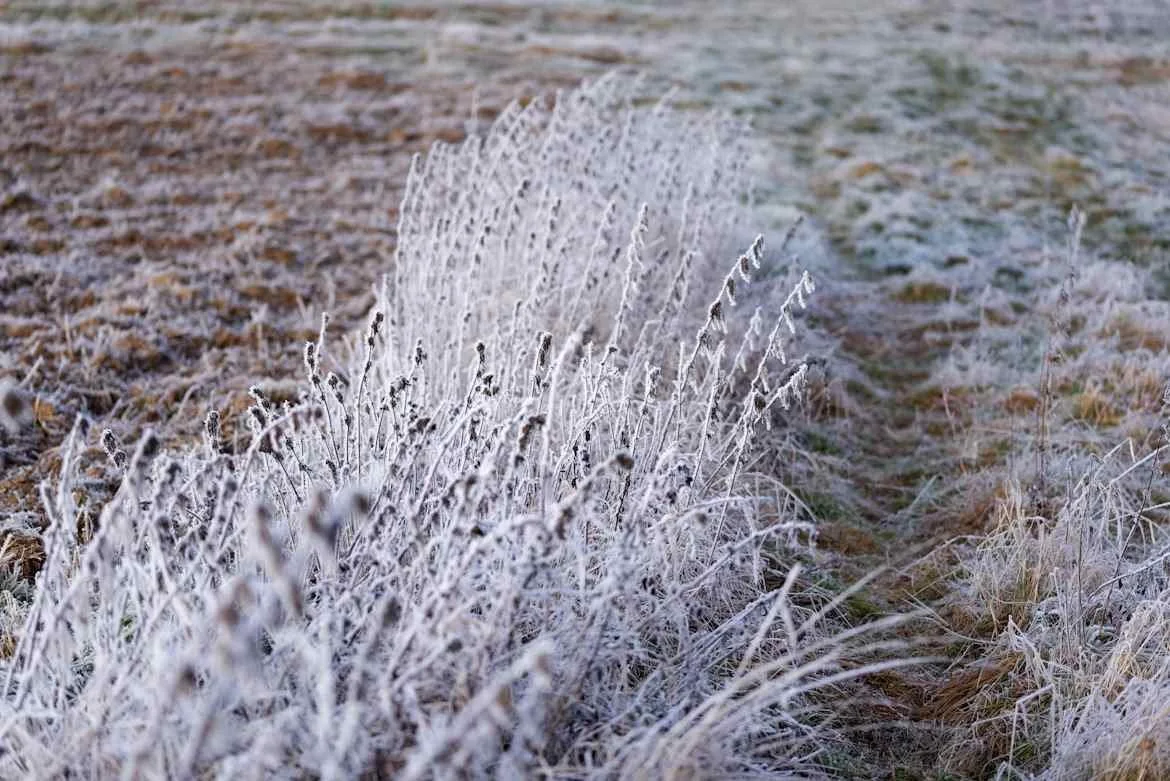
Out among the beds, you can see the stories of the past season written in the stems. The coneflowers still hold their dark seed heads high, a quiet buffet for goldfinches and chickadees. The ornamental grasses — switchgrass, little bluestem, and Miscanthus — stand like sentinels, their seed plumes catching the low winter sun. Underneath, the crowns of your perennials are already holding the buds for next year, snug beneath a layer of soil and mulch, waiting for the right day length and soil temperature to wake them.
From a horticultural standpoint, this standing growth is more than just ornamental. Those hollow stems and tufts of grass act like windbreaks at the soil surface, buffering the freeze-thaw cycles that can heave shallow-rooted plants out of the ground. They also serve as overwintering habitat for countless beneficial insects — solitary bees tucked into pithy stalks, lady beetles hidden at the base of clumps, and lacewing eggs anchored on last season’s stems. Each one of these is a free partner in your garden’s pest control for the coming year, if only we let them stay.
Moisture management is another quiet reason to let plants stand until late winter. Here in the mountains, winter precipitation is unpredictable — long dry spells broken by hard rains, and every so often a deep snow. The architecture of a grass clump or a sturdy perennial stem slows water at the soil line, letting it soak in rather than run off. In a bare, cut-back bed, winter rains can compact the soil and wash away organic matter you’ve worked to build.
There are times when cutting back before spring is necessary — certain plants that carry fungal diseases, like peonies with botrytis or bee balm with powdery mildew, are best cleared after frost to reduce the chance of reinfection. But for the majority of healthy perennials, the science supports the same wisdom your grandmother might have told you: leave them be until the season turns. By waiting until late February or early March to cut them down, you give wildlife their shelter, the soil its cover, and the eye a bit of beauty in the winter landscape.
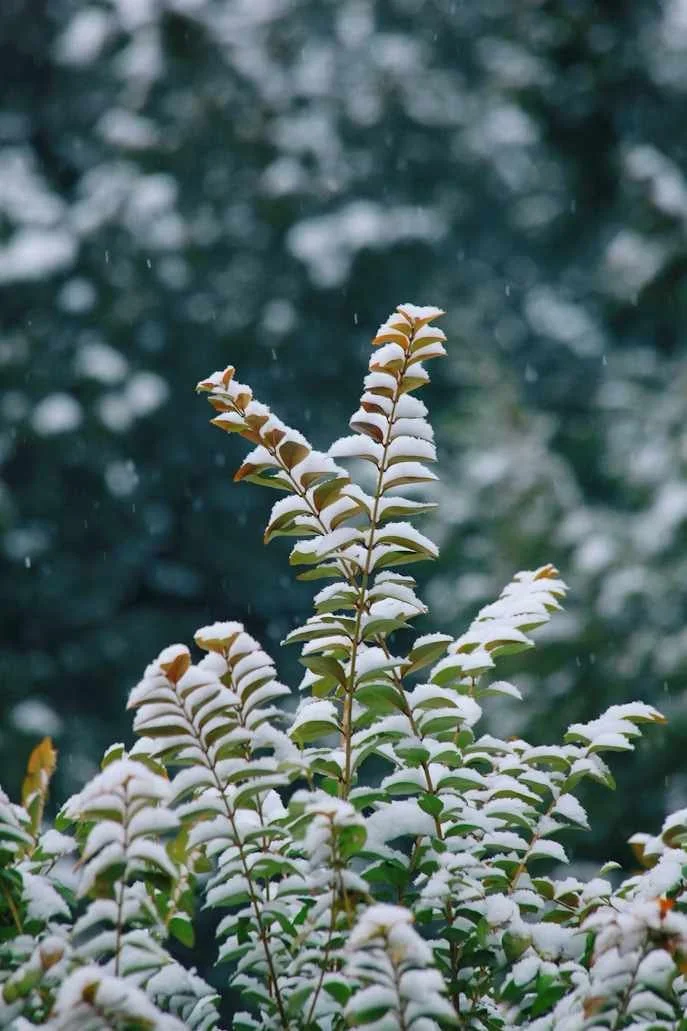
When it does come time to cut back, a sharp pair of shears or hedge trimmers makes quick work of most grasses, and a gentle hand with perennials ensures you don’t damage emerging shoots. I like to leave a few inches of stem above the crown — not only as a visual marker so I don’t step on tender growth, but because even cut stems can continue to provide a bit of habitat in those first warming days. The trimmings themselves can be chopped and returned to the bed as mulch or added to the compost pile, where they’ll begin the long return to soil.
Mulching in winter is another place where timing and technique matter. A light mulch applied after the ground has cooled helps insulate the crowns of perennials without trapping excess warmth that might coax them into premature growth. Here in Asheville, pine straw, shredded leaves, and finely textured bark mulch all work well — each with its own balance of insulation, moisture retention, and soil enrichment as it breaks down. Just remember to keep mulch pulled back a few inches from the crowns to prevent rot, especially in our often damp winters.
The grasses, in particular, benefit from a light touch in winter care. Their structure, whether upright or arching, is built to endure snow and wind, and their deep root systems are as much a part of your soil’s health as any amendment you could buy. By leaving them intact until late winter, you allow their roots to hold the soil in place through the storms and give birds and other wildlife a source of both food and shelter.
I find that walking among the standing perennials and grasses in winter changes the way I see the garden. Without the distraction of bright flowers and lush foliage, the focus shifts to form and texture, to the way light moves through seed heads at dawn, to the rustle of dry leaves in the wind. It’s a reminder that the garden doesn’t truly sleep; it simply changes the way it speaks.
So this December, resist the urge to put everything in perfect order. Let the seed heads stand and the grasses sway a while longer. When the cold lifts and the sap begins to rise again, you can cut and clear, and the beds will leap forward into the new season. Until then, the best care you can give your perennials and grasses may be to simply leave them in peace — guardians of the soil, shelter for the small ones, and beauty for anyone willing to look closely.
Yours among the winter stalks,
Unicorn Farm Nursery & Landscaping