Winter Sowing in Milk Jugs: A Low-Tech Way to Start Hardy Seeds
Dear friend,
There’s a particular kind of satisfaction in doing something simple that works. Not trendy. Not expensive. Just quietly effective.
Winter sowing is one of those things. For many gardeners, winter sowing in milk jugs is the simplest way to start seeds outdoors without fuss.
If you’ve never tried it, the idea sounds almost wrong at first. You put seeds outside in winter—in little homemade mini-greenhouses made from milk jugs or clear containers—and you let the cold do what it’s going to do. You let the rain and snow provide moisture. You let the warming days of late winter and early spring wake the seeds up when conditions are right. And somehow, instead of losing everything to the elements, you often end up with seedlings that are sturdier than the ones coddled indoors.
It feels like a trick, but it’s really just an imitation of nature. Many seeds are designed to endure cold, then germinate when the season turns. Sowing winter seeds follows this built-in logic. It’s especially helpful for hardy perennials and many natives, but it also works for a surprising number of cool-season vegetables and annuals.
And the reason I like writing about winter sowing in January is that this is the month when people start itching to begin, but indoor seed starting still feels early for a lot of things. Winter sowing in milk jugs is a way to scratch that itch without building a whole indoor propagation setup.
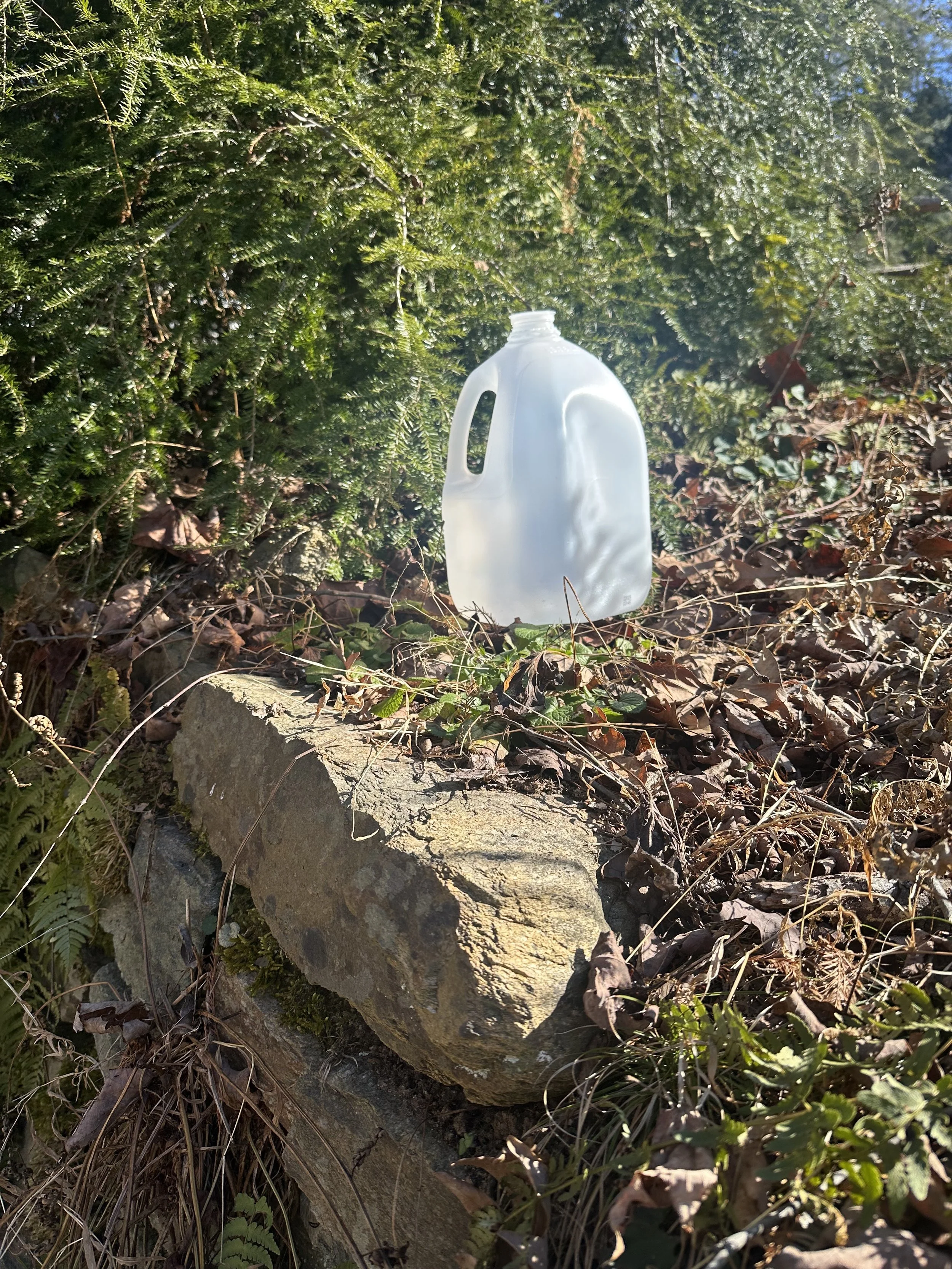
Picture this: a row of milk jugs along a fence line, each one labeled, each one holding damp potting mix and tiny seeds. They sit there through the cold, unbothered. Then, as the light grows stronger and the days begin to stretch, you start to notice condensation inside. Then you notice a little green thread. And then one day you walk out and it’s like a miniature meadow in plastic.
That kind of moment can carry you through the rest of winter.
In our Blue Ridge climate, the winter sowing method is particularly well-suited because we get enough cold to satisfy many seeds’ stratification requirements, but we also get frequent thaws and early warming spells that can speed germination once the timing is right. The key is that the seeds decide when “right” is. That’s the whole advantage.
When you start seeds indoors, you are in charge of timing. That can be wonderful, but it also means you can accidentally start things too early, and then you’re stuck nursing leggy seedlings for weeks while the outdoor world isn’t ready. Winter sowing shifts timing back to the seed and the weather, which often produces stockier seedlings and fewer headaches.
Now, let me be clear: winter sowing in milk jugs isn’t perfect for everything. Heat-loving crops like tomatoes and peppers are not what I’d choose for this method. But for hardy flowers, many natives, and cool-season vegetables, it can be a small revolution.
The method is simple enough that you can learn it in one afternoon, but like anything, it goes better if you understand the logic behind it.
A winter-sown container needs four basic things: drainage, moisture, light, and a bit of protection from harsh wind and animals. That’s it. The container itself becomes a tiny climate-buffer. It doesn’t stay “warm” in the winter the way a greenhouse does; instead, it moderates extremes and prevents the mix from drying out too quickly. The lid keeps heavy rain from blasting the soil surface and keeps moisture more consistent. When the sun hits it, the air inside warms slightly during the day, and then it cools again at night. That daily fluctuation is exactly what many seeds are accustomed to.
For winter sowing in milk jugs, the classic approach is to cut the jug most of the way around like a hinge, leaving the handle side attached. You add drainage holes in the bottom. You fill with a few inches of damp potting mix. You sow seeds on the surface or barely covered, depending on the seed’s needs. You close the jug and tape it shut. You leave the cap off so it can vent and take in water as needed. Then you set it outside in a place where it gets sun, but not so much exposure that it dries constantly or gets knocked over in wind.
If you’re thinking, “That sounds like too much work,” let me reassure you: it’s a setup effort, but it’s not ongoing effort. Once the jugs are out there, you mostly leave them alone. You check occasionally to see if the mix is drying, but in winter and early spring that’s rarely a major issue. Nature does most of the work.
What should you sow? I like to think in terms of plants that either require cold stratification or tolerate cool conditions well. Many native perennials fall into that first category. They want cold, moist time before they germinate. Winter sowing in milk jugs gives them that without you having to manage bags of seed in the refrigerator. Hardy annuals and cool-season vegetables fall into the second category. They may not require cold, but they can germinate and grow in cool temperatures, and they benefit from the gradual exposure that produces stocky growth.
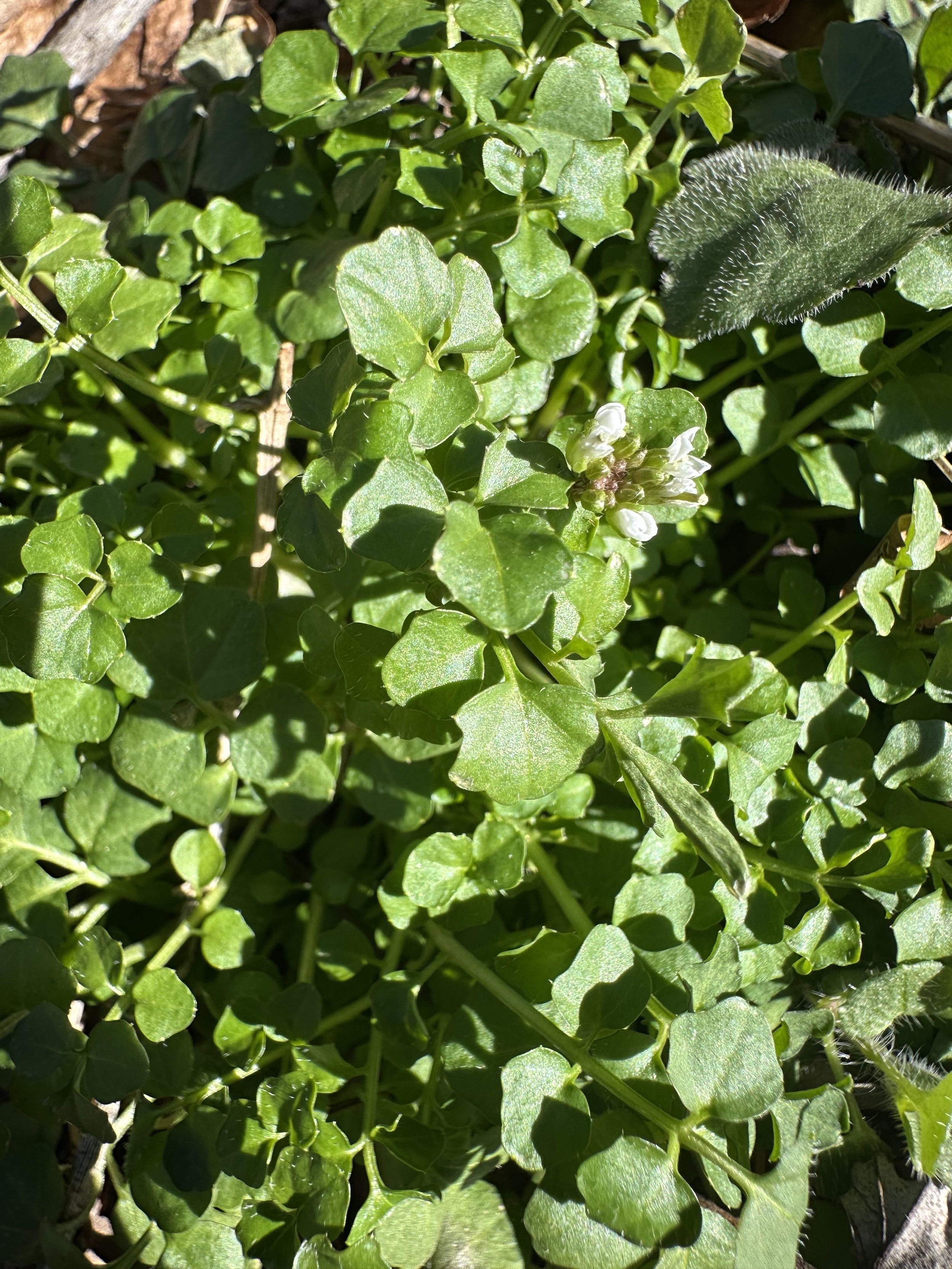
In a Blue Ridge garden, the winter sowing method is a lovely way to start the kinds of plants that make a garden feel rooted in place—including some of the best seeds for winter sowing in milk jugs, like coneflowers, black-eyed Susans, bee balm, mountain mint, asters, and other perennials that support pollinators and handle our seasons. It’s also a practical way to start things like lettuce, spinach, kale, and certain brassicas, especially if you’re aiming for early transplanting.
It’s worth noting that winter-sown seedlings are often easier to transplant. They’re already accustomed to outdoor conditions—sunlight that isn’t filtered through windows, wind that strengthens stems, temperature fluctuations that harden tissues. You don’t have to “harden off” winter-sown seedlings the same way you do indoor seedlings, because they’re already living in reality.
That’s one of the quiet gifts of this method: it teaches plants resilience from the beginning. Practicing winter sowing in milk jugs also gives gardeners a front-row seat to how nature paces germination, reinforcing patience and trust in the process.
There are a few common pitfalls, and it helps to know them upfront so you don’t misinterpret a normal delay as failure. The first is impatience. Some seeds take a long time. Some will not germinate until late spring even if you sowed them in January. That doesn’t mean you did it wrong. It means the seed has a timing strategy that isn’t rushed. This is especially true for many woodland plants and certain natives. The winter sowing method is an exercise in trust.
The second pitfall is too much water or too little drainage. The mix should be damp, not saturated. When practicing winter sowing in milk jugs, making sure your containers have proper drainage holes is one of the simplest ways to prevent failure. If you don’t give adequate drainage holes, you can end up with waterlogged conditions that rot seeds or encourage algae and fungus. Proper drainage is a non-negotiable.
The third pitfall is placing containers where they’ll get knocked over or disturbed. Wind can be surprisingly aggressive in winter storms. Animals can be curious. If you’ve got raccoons or squirrels that treat your containers like toys, you may need to place them inside a simple fenced area or a protected nook.
The fourth pitfall with winter sowing in milk jugs is underestimating spring heat inside plastic. On a bright day in late winter or early spring, a sealed container can warm quickly. That’s why venting matters. Leaving the cap off usually provides enough ventilation early on. Later, as temperatures rise, you may need to open the containers more or cut additional vents. The goal is to keep seedlings from cooking on an unexpectedly warm day.
But don’t let that scare you. This is still a low-tech method. You’re not trying to create perfect greenhouse conditions. You’re simply creating a buffered environment where seeds can do what they’re built to do.
What I love about winter sowing, beyond the practicality, is how it reintroduces you to the slow unfolding of the season. Indoor seed starting can feel like forcing spring. Winter sowing in milk jugs feels like cooperating with it. You still get the thrill of beginning, but you do it with patience.
And if you’re someone who wants to grow more natives from seed—either because you care about the local ecosystem, or because you want tough, climate-adapted plants, or because you simply want your garden to feel like it belongs here—winter sowing is one of the friendliest entry points. It doesn’t require elaborate equipment. It requires attention, yes, but not constant attention. It’s the kind of practice you can scale up or keep small depending on your time.
You can do five jugs and feel pleased with yourself. Even just sowing winter seeds in a few containers gives a wonderful sense of accomplishment and connection to the season. Or you can do fifty and feel like you’ve built a tiny outdoor nursery. Either way, you’ll learn something. And in gardening, learning is never wasted. Experimenting with the best seeds for winter sowing in milk jugs allows you to discover which varieties thrive in your garden conditions.
If you’d like help choosing what to winter sow for your specific site—especially native and pollinator-supporting perennials that perform well in Western North Carolina—visit our website to schedule a consultation. We’ll match species to your microclimates and help you build a propagation plan that’s realistic, affordable, and satisfying to carry out.